
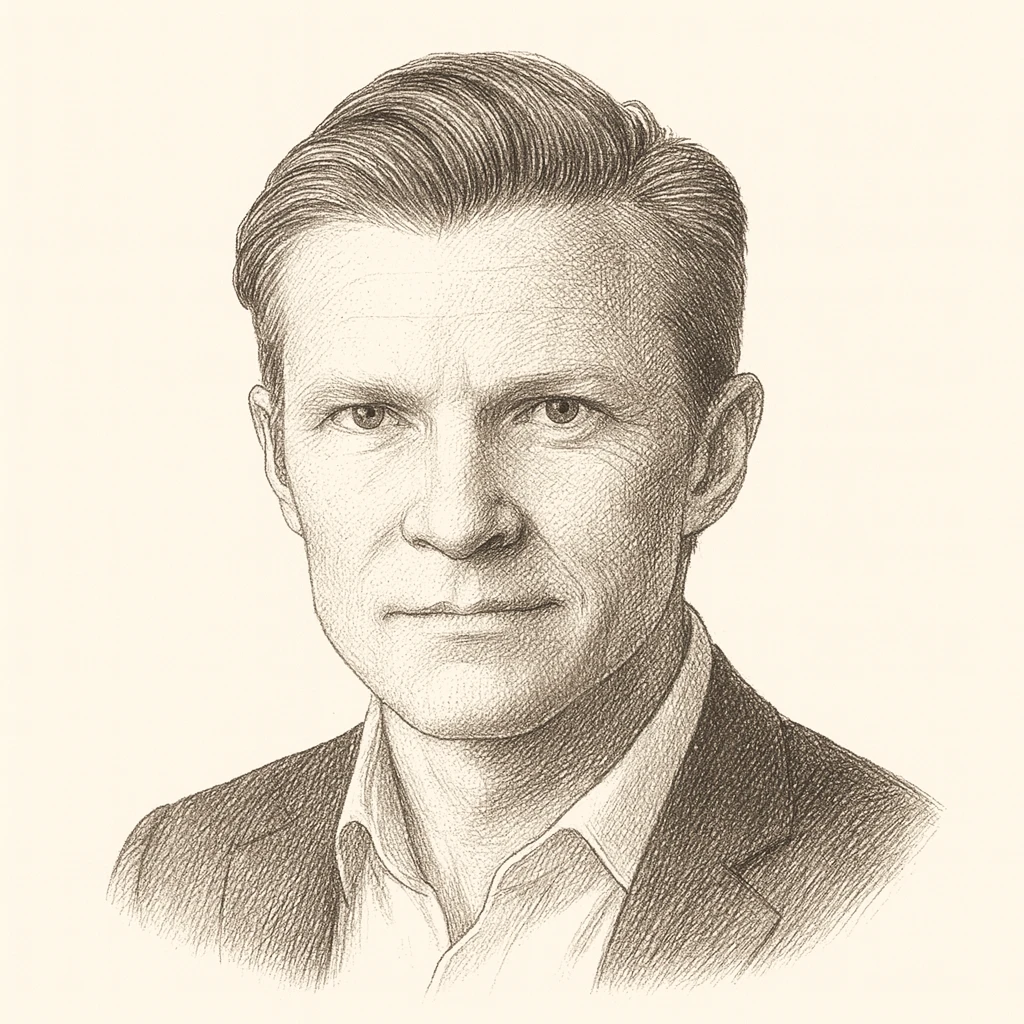
Johan Norberg is a Swedish author, historian, and commentator best known for his popular defenses of classical liberalism, free markets, and globalization. Though he was briefly drawn to left-wing and anarchist ideas in his youth, he became one of the most visible contemporary advocates of economic liberty and open societies. His work is grounded in the classical liberal tradition, drawing on thinkers who emphasized free trade, individual rights, and the productive power of markets, and he has been associated with think tanks and institutes that promote market-oriented policy.
Norberg first gained international attention with a spirited defense of globalization, arguing against the anti-globalization movement that free trade and open markets have lifted large numbers of people out of poverty, particularly in the developing world. He contends that liberalization, competition, and integration into the global economy, rather than protectionism or centralized planning, are the most effective engines of rising living standards. This argument places him firmly within a lineage of free-trade liberalism, and he frequently frames economic openness as inseparable from political and personal freedom.
A recurring theme in his writing is that the world has become measurably better across many dimensions over the long run, a data-driven optimism that stands against declinist and catastrophist narratives on both the political left and right. Marshalling statistics on life expectancy, health, literacy, and material well-being, Norberg argues that human progress is real, ongoing, and largely the fruit of open exchange, scientific advance, and liberal institutions. He is critical of nostalgia and of romanticized views of the past, and he warns that pessimism can fuel policies that undermine the conditions for further improvement.
Norberg's influence lies less in original political theory than in his role as a communicator and public intellectual who reframes debates about markets, poverty, and modernity for general audiences. Through books, essays, documentaries, and lectures, he has helped popularize a confident, empirically framed case for liberalism at a time when both nationalist-populist and radical-egalitarian critiques of the global order have gained ground. His work is frequently invoked in arguments about whether liberal capitalism delivers broad human flourishing, making him a notable voice in contemporary debates over globalization and progress.
Johan Norberg is associated with Classical Liberal. See the archetype