
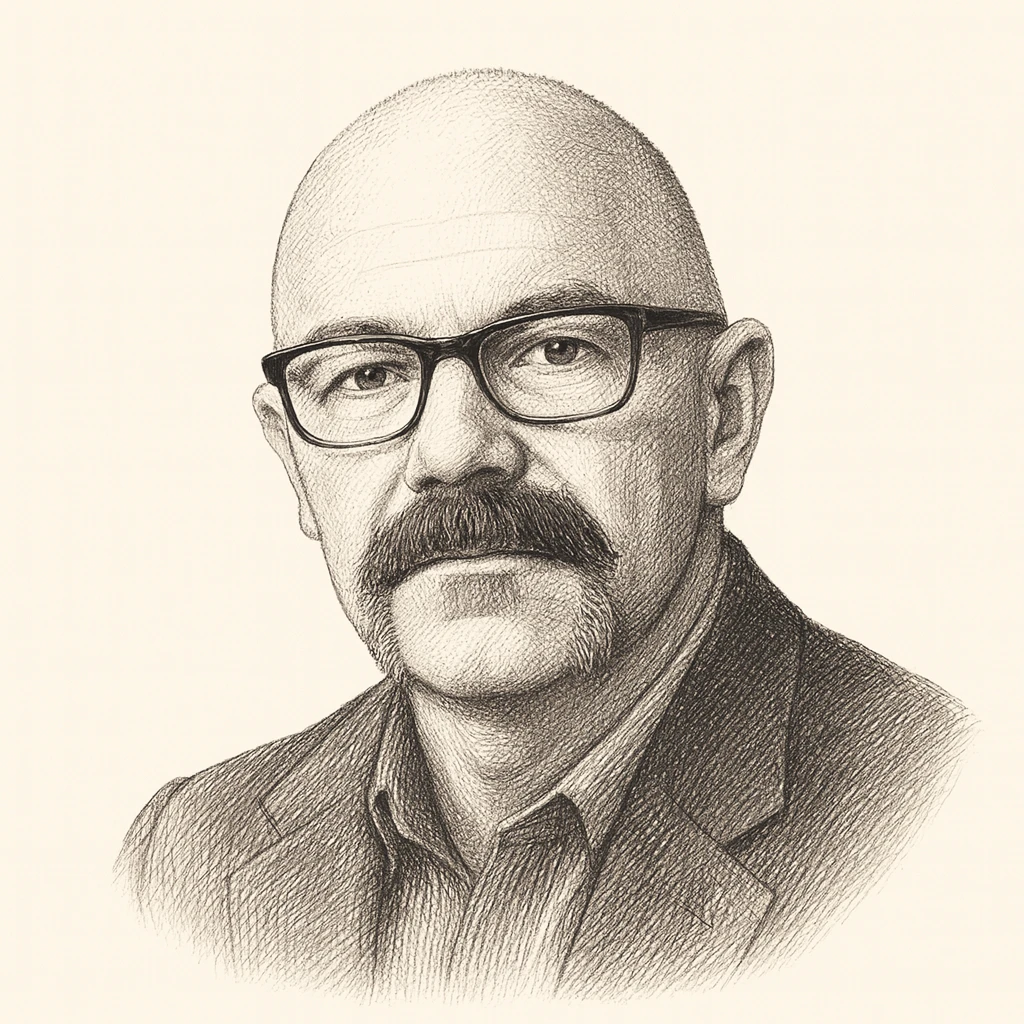
Andrew Sullivan is a British-born American writer whose work has bridged conservative and liberal traditions, often unsettling partisans on both sides. Trained at Oxford and later at Harvard, he came to prominence as editor of The New Republic, and he became one of the most prominent early practitioners of political blogging, using the medium to develop arguments in real time and engage directly with readers. His thought is rooted in a temperamental, skeptical conservatism influenced by the British philosopher Michael Oakeshott, emphasizing limited government, distrust of ideological grand schemes, and an appreciation for tradition and the contingency of political life.
Sullivan is best known politically for making one of the earliest and most influential conservative arguments for same-sex marriage, contending that recognizing gay unions was consistent with, rather than opposed to, conservative values of stability, commitment, and inclusion within existing institutions. As an openly gay, Catholic conservative, he framed the case in terms of equal citizenship and the extension of established social norms rather than a break from them, and his advocacy helped shape the broader public debate over the following decades.
His relationship to the American right shifted over time. He initially supported the Iraq War before turning sharply against it, and he became a fierce critic of the George W. Bush administration, particularly over torture and executive power. He later supported Barack Obama, while remaining critical of what he saw as excesses on the left, including trends he described in terms of identity politics and threats to free expression. This trajectory has made him difficult to classify, and he has often presented himself as a conservative disillusioned with a Republican Party he views as having abandoned its intellectual moorings.
Across his career, Sullivan's influence lies less in a systematic body of doctrine than in his role as a public intellectual who models a certain independent, argumentative stance: skeptical of tribal loyalty, committed to open debate, and willing to change positions in public. His writing on religion, homosexuality, and conservatism, and his championing of dissent within movements he belongs to, have made him a recurring reference point in debates about the boundaries and future of both conservatism and liberalism.
Andrew Sullivan is associated with Independent Localist. See the archetype