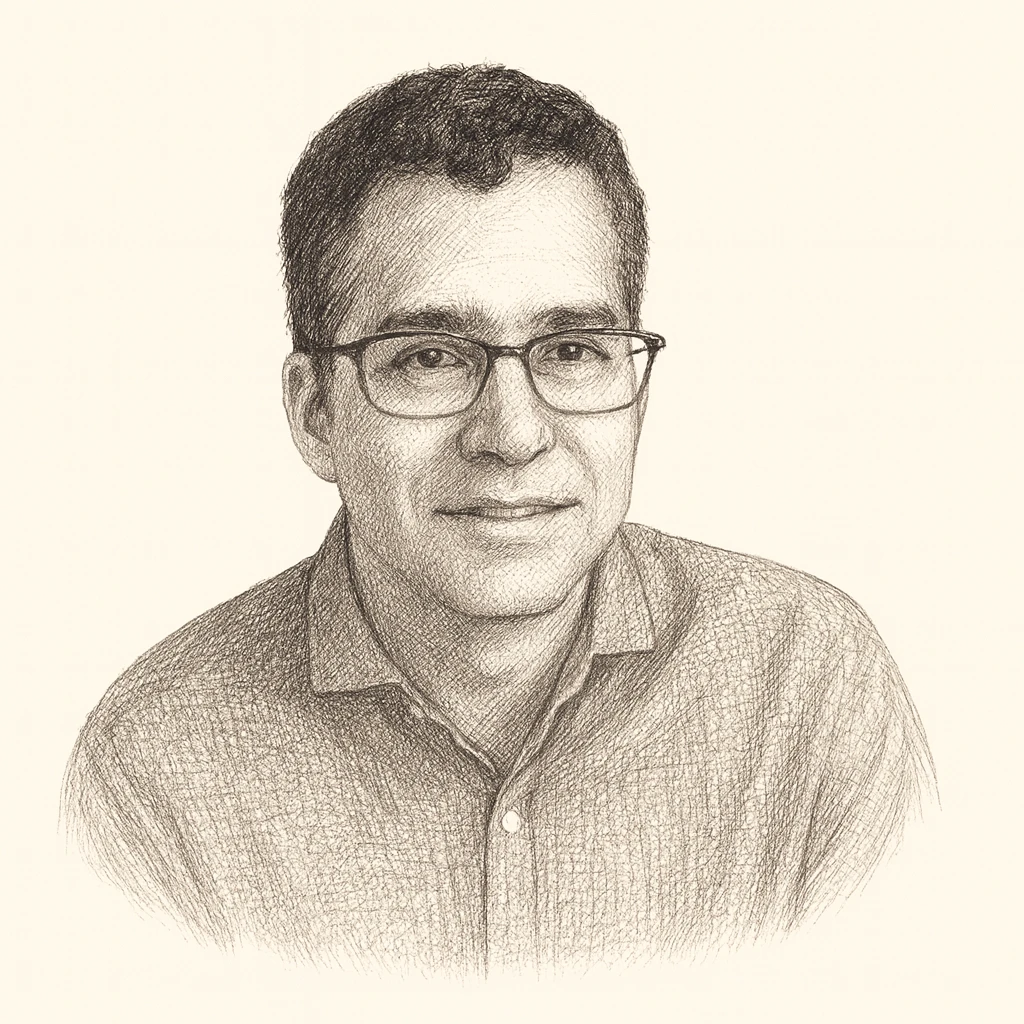
Conor Friedersdorf is an American journalist best known as a staff writer for The Atlantic, where he has built a body of work centered on civil liberties, free expression, due process, and the dangers of concentrated power. His political outlook is difficult to fit into conventional partisan categories: he emerged from a broadly conservative and libertarian sensibility but has consistently directed criticism at figures across the ideological spectrum. He is associated with a tradition of principled, consistency-minded commentary that prizes applying the same standards regardless of which side benefits, and he frequently frames his arguments around procedural fairness and individual rights rather than group loyalty.
A recurring theme in his writing is skepticism toward the expansion of executive and national-security power, including surveillance, drone warfare, and the erosion of legal protections in the name of security. Alongside these concerns, he has written extensively about free speech and open inquiry, defending robust debate and warning against what he characterizes as illiberal pressures within both progressive institutions and the political right. He has also engaged closely with campus controversies, cancellations, and disputes over the boundaries of acceptable discourse, generally arguing for greater tolerance of dissenting or unpopular views and for engaging opposing arguments rather than suppressing them.
Friedersdorf is often identified with a self-consciously heterodox, anti-tribal style of political thought. He has been a persistent critic of political polarization and of what he sees as bad-faith or motivated reasoning in partisan media, urging readers to steelman opposing positions and to hold their own side accountable. This posture has made him a notable voice among writers who identify with classical liberalism and civil-libertarian principles while resisting easy alignment with either major American party. His curated reader features and long-form essays have contributed to a mode of commentary that treats disagreement as a resource rather than a threat.
His influence lies less in a single systematic theory than in his sustained modeling of a particular temperament: consistent application of principle, wariness of power, and defense of open discourse. Within debates over free speech, executive authority, and the health of liberal democratic norms, he functions as a representative of a contemporary civil-libertarian and heterodox-liberal current in American journalism.
Conor Friedersdorf is associated with Civil Libertarian. See the archetype