
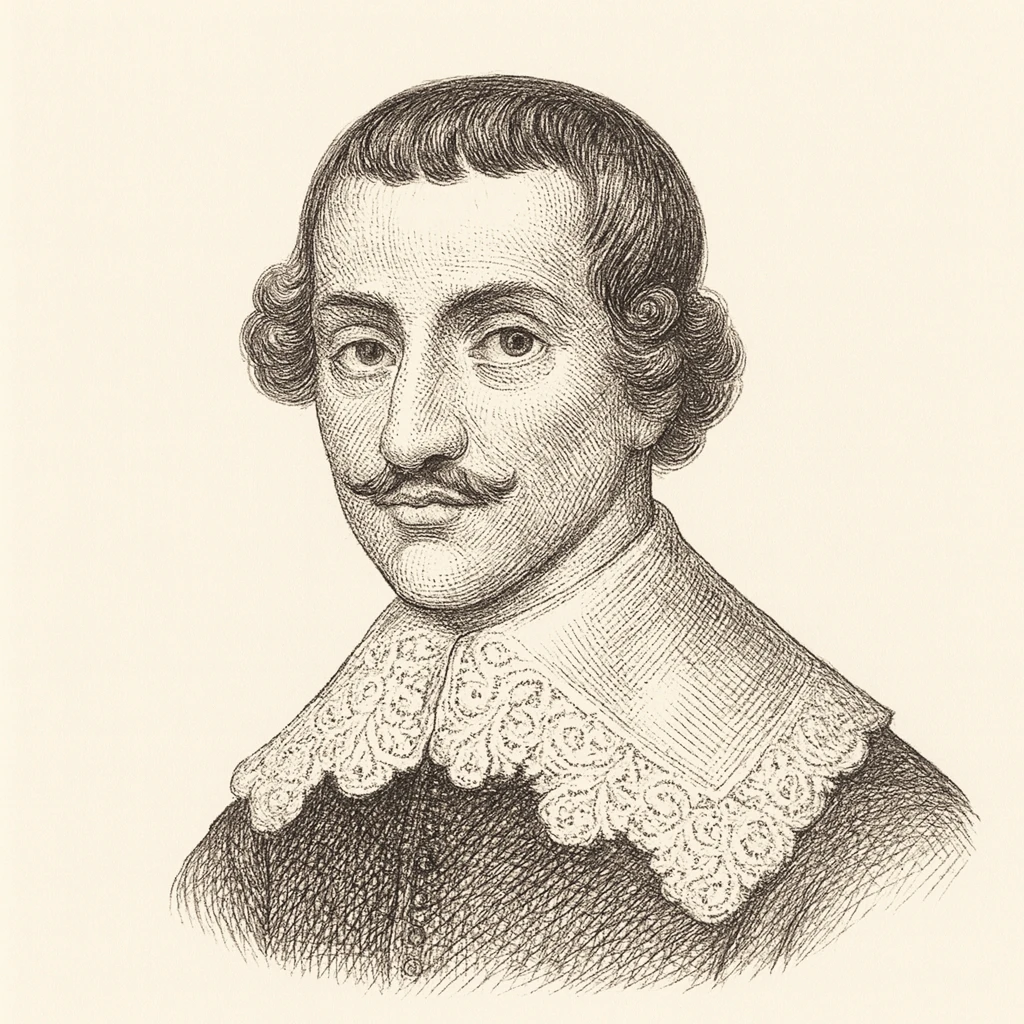
John Lilburne was whipped through the streets of London at twenty-four for distributing unlicensed books, and spent most of the following twenty years in prison under every regime England had — Charles I's, the Long Parliament's, and Cromwell's. Free-born John, they called him. He was tried for his life three times and acquitted by juries each time, on the last occasion to such public rejoicing that the soldiers guarding the court joined in.
The Levellers were the first modern political movement: they had a program, a press, organizers, petitions with tens of thousands of signatures, and a subscription structure. The program, set out across successive versions of the Agreement of the People, is startling for the 1640s. A written constitution, superior to Parliament and unalterable by it. Elections at fixed intervals on redrawn constituencies. Manhood suffrage, or something close to it — the extent was disputed among them. Equality before the law, with legal proceedings in English rather than law French. Abolition of imprisonment for debt, of tithes, of monopolies. Liberty of conscience, with no power in any magistrate over religion. And most fundamentally, a set of reserved rights that no representative body could touch, because the people never gave them up in constituting it.
That last idea is Lilburne's most durable contribution. Parliament had claimed sovereignty from the king; the Levellers replied that the people are sovereign, that Parliament is their agent, and that an agent cannot hold powers the principal never delegated. It is the argument for entrenched fundamental rights against legislative majorities, made a century and a half before any state adopted it.
The movement was destroyed by Cromwell. The Putney debates of 1647, where Levellers and grandees argued out whether the poorest he in England has a life to live as the greatest he, are the most remarkable political discussion of the century and ended in nothing; the army mutinies of 1649 were suppressed and their leaders shot. But the ideas persisted underground in English radicalism, resurfacing in the corresponding societies of the 1790s and in Chartism, and the American revolutionaries arrived at strikingly similar conclusions about written constitutions and reserved rights.
Wondering where you land? Take the 4-minute assessment