
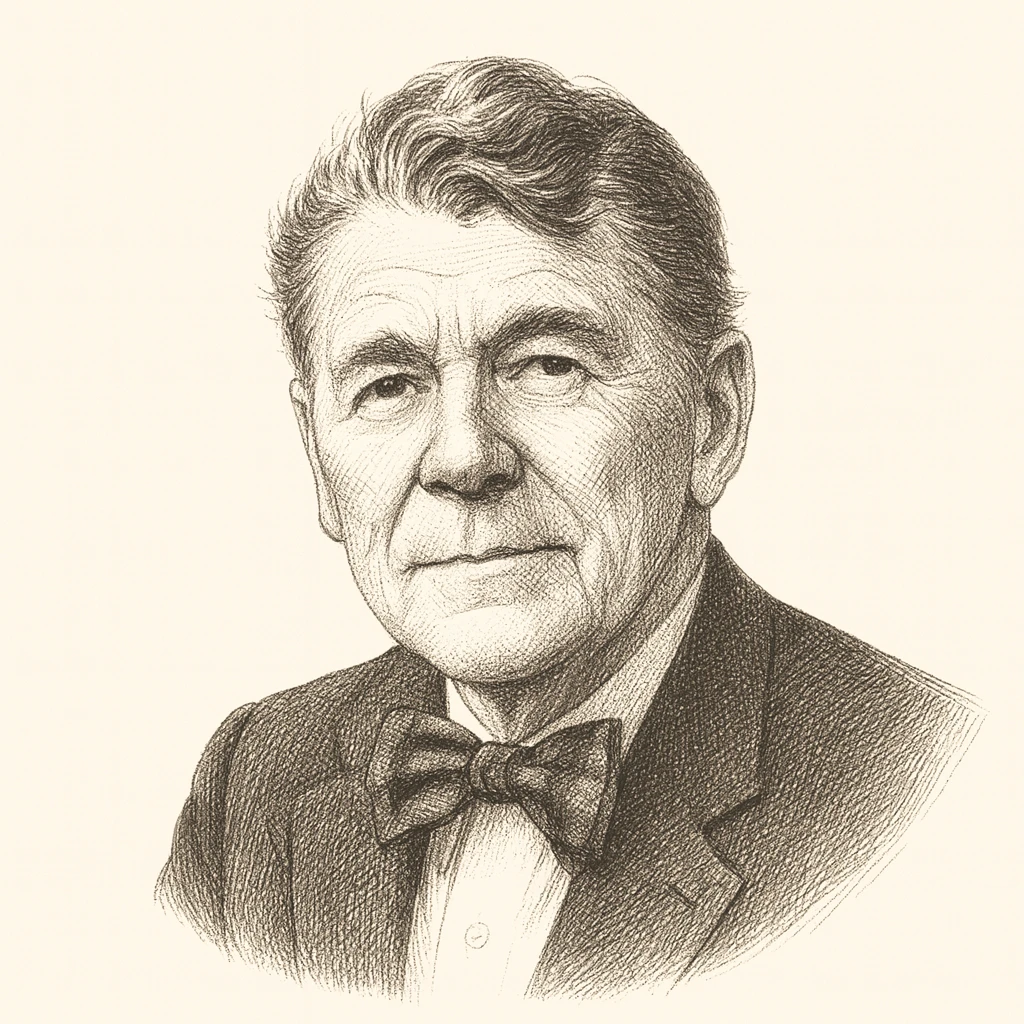
Clyde N. Wilson is an American historian long associated with the University of South Carolina, best known as the editor of the multi-volume scholarly edition of the papers of John C. Calhoun, the antebellum South Carolina statesman and theorist of nullification, states' rights, and the concurrent majority. Through decades of work on this project, Wilson became one of the foremost interpreters of Calhoun and, more broadly, of the intellectual traditions of the antebellum and postbellum South. His scholarship treats the Southern political tradition not as a mere regional peculiarity but as a serious body of thought about federalism, decentralized authority, and the dangers of consolidated national power.
Politically, Wilson is identified with paleoconservatism and with a strongly states'-rights, decentralist reading of American constitutional history. He argues that the original American republic was a compact of largely sovereign states and that the growth of centralized federal power, culminating in and accelerated by the Civil War era, represented a departure from the founders' constitutional design. In this reading, figures such as Calhoun and the Jeffersonian tradition are cast as defenders of liberty against consolidation, and the sectional conflict is framed as a struggle over the nature of the union rather than reducible to a single moral question. These interpretations put Wilson at odds with the mainstream view that slavery was central to the Southern cause; he led a statement by 41 academics asserting that "slavery did not cause the war," which the Southern Poverty Law Center cited in a 2004 report on neo-Confederate views of history.
Wilson has been an active figure in paleoconservative and libertarian-leaning intellectual circles, contributing to publications and institutions associated with that milieu, and he was among the participants in the founding of the League of the South, an organization advocating Southern regional identity and self-determination. His work has influenced how a segment of the American right thinks about federalism, secession, and the meaning of constitutional union, keeping the Calhounian and Anti-Federalist strands of American political thought in active circulation. Whether embraced as a custodian of a neglected tradition or criticized as an apologist for the Confederacy, he remains a significant voice in debates over Southern history and the decentralist strand of American conservatism.
Clyde Wilson is associated with Traditional Libertarian. See the archetype