
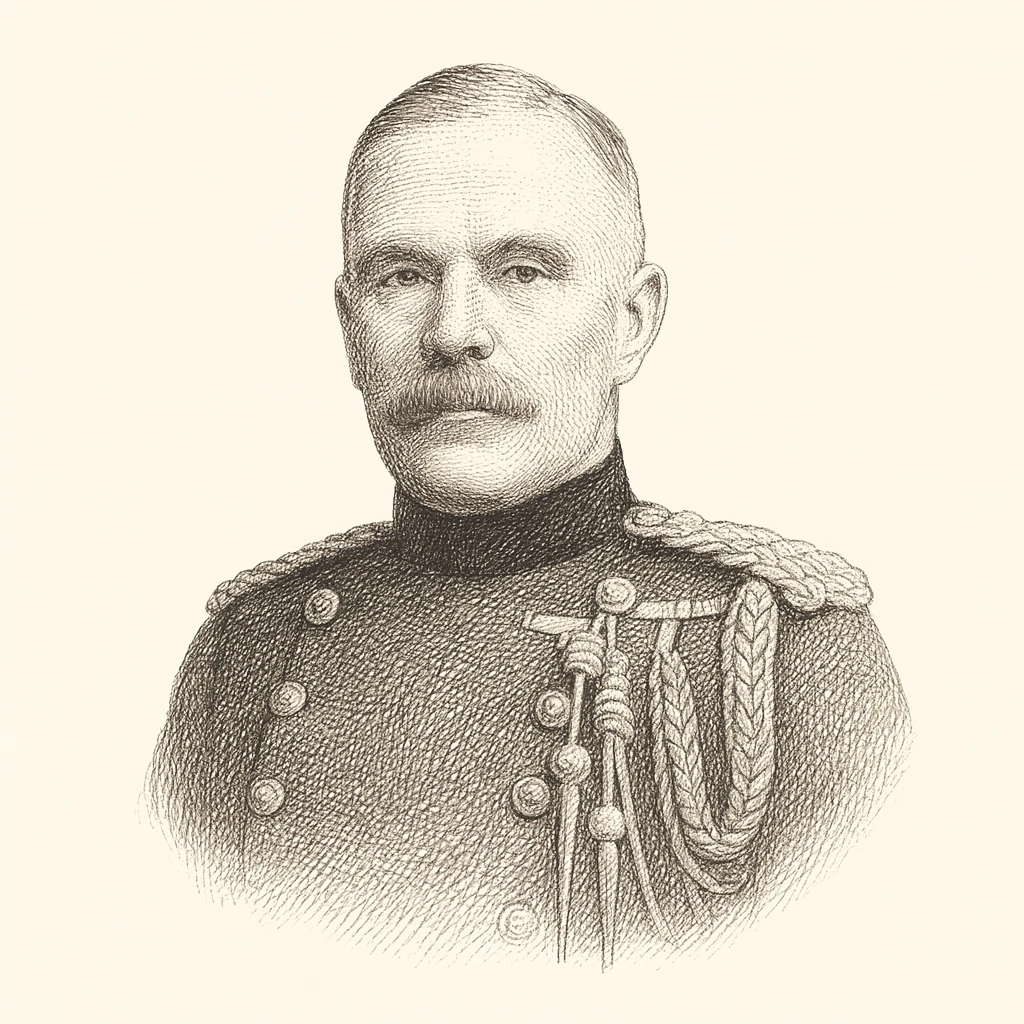
William Robertson was a parish minister who became Principal of the University of Edinburgh in 1762, Historiographer Royal for Scotland, and for three decades the effective leader of the Moderate party that controlled the General Assembly of the Church of Scotland. He occupied, in other words, precisely the position an enlightened clergyman could occupy in Scotland and almost nowhere else — orthodox enough to lead the Kirk, liberal enough to defend Hume against attempts to excommunicate him.
He was also, in his lifetime, the most commercially successful historian in Britain. The History of Scotland of 1759 made his name and a great deal of money; the History of the Reign of the Emperor Charles V of 1769 earned an advance that astonished the trade; the History of America followed in 1777. Gibbon named him with Hume as one of the two writers who had shown what English historical prose could do.
What distinguishes the work is its subject. Robertson opens the Charles V not with the emperor but with a long preliminary book, A View of the Progress of Society in Europe, which traces the continent from the collapse of Rome through feudal tenure, the growth of towns, the revival of commerce and law, to the state system of the sixteenth century. Only then do the reigns begin. The organizing assumption is the stadial one that Kames and Smith were working with at the same moment: that manners, law and government are functions of how a society supports itself, and that political narrative is unintelligible without the social history underneath it. Montesquieu had supplied the method; Robertson was the first to build a large-scale narrative history on it, and the preliminary View was read and translated on its own as a work of social theory.
His limits are as instructive as his achievements. The History of America is scrupulous about Spanish sources and about the injustice of the conquest, and simultaneously committed to a ranking of societies by stage of development that placed the peoples of the Americas below Europe by definition. The stadial framework that let him write social history rather than court chronicle also supplied the period with one of its most durable instruments for justifying empire, and Robertson used it in both directions without evident strain.
Wondering where you land? Take the 4-minute assessment