
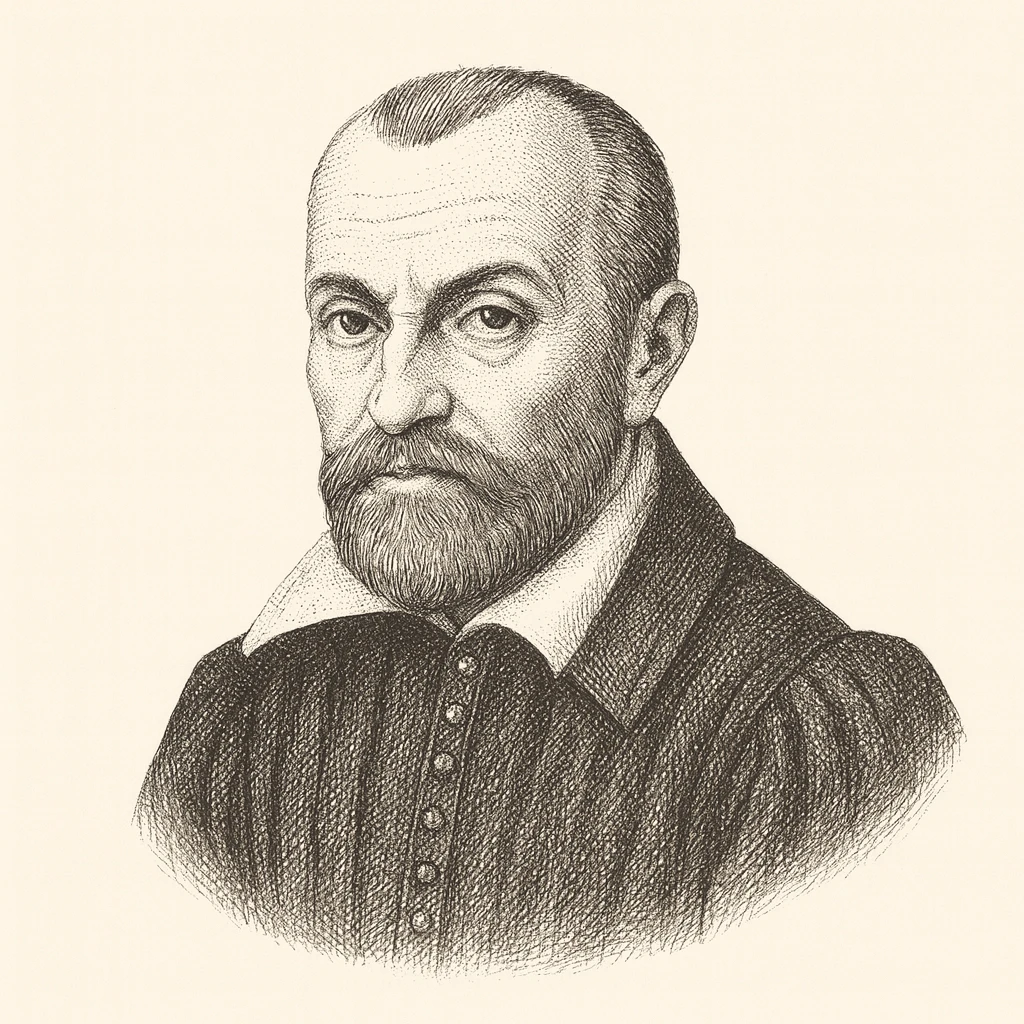
Jean Bodin wrote in the worst years of the French wars of religion, when the kingdom was disintegrating into confessional factions each claiming a right to resist. His answer, the Six Books of the Commonwealth of 1576, defines the concept the modern state was built on.
Sovereignty is the absolute and perpetual power of a commonwealth: the power to give law to all subjects generally without their consent, which cannot be divided, delegated away, or limited by any human authority, and which is not bound by the laws of its predecessors or its own. Everything else follows from it — declaring war, appointing magistrates, hearing final appeals, coining money — but the essence is legislation. Where earlier writers had described mixed constitutions in which authority is shared between king, nobles and people, Bodin argued that this is incoherent: a power that can be checked by another is not sovereign, and every commonwealth must have some final and indivisible source of law or it is not one commonwealth.
He is not, however, an absolutist in the later sense, and the qualifications are as important as the doctrine. The sovereign is bound by divine and natural law, by the fundamental laws constituting the succession and the public domain, and — crucially — may not tax subjects without consent, because property is not the sovereign's to take. The distinction is between the form of the state, which must be absolute in Bodin's technical sense, and the manner of governing, which ought to be lawful and temperate. His purpose was to secure a public authority strong enough to impose peace on parties that would otherwise destroy the kingdom, and he sided with the politiques who put civil order above confessional victory.
The Method for the Easy Comprehension of History develops a comparative and climatic account of why peoples differ in their laws that Montesquieu drew on directly. Against this stands his Demonomania, an argument for the vigorous prosecution of witches, and the Colloquium Heptaplomeres, a dialogue between seven believers of different religions that ends without any of them converting — too dangerous to print, and circulated in manuscript for a century.
Wondering where you land? Take the 4-minute assessment