
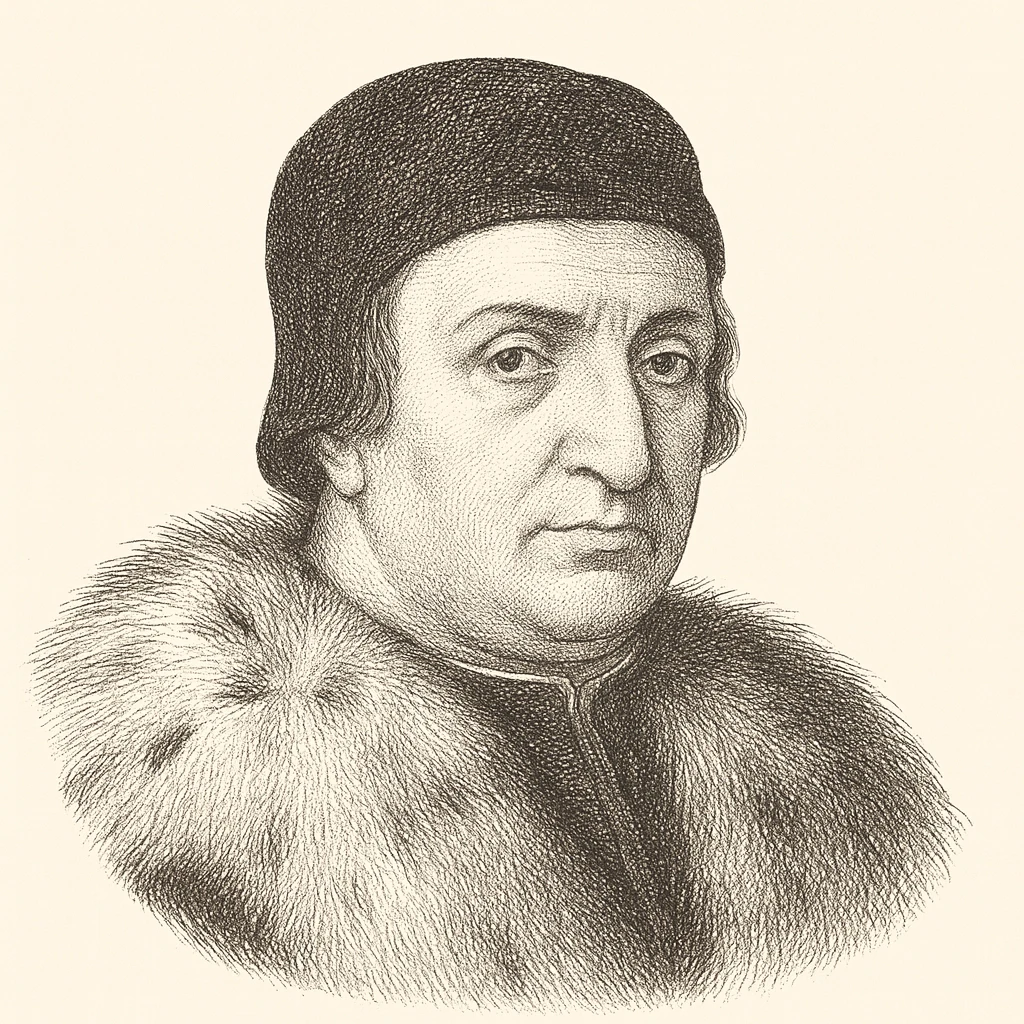
Francesco Guicciardini was an ambassador at twenty-nine, governor of papal provinces, commissioner of the papal army, and an adviser to Medici popes through the catastrophe of the 1520s, including the sack of Rome. He was, unusually among political writers, a man who had exercised real power at the highest level for decades, and it shows in what he thought could be known.
The History of Italy, written in retirement and published after his death, covers the years from 1490 to 1534 — the period in which foreign invasion destroyed the independence of the Italian states. It is built from state papers and personal knowledge, it explains events by interest, miscalculation and accident rather than by providence or virtue, and it is generally regarded as the first modern work of history in scale, method and skepticism. Its picture is unrelieved: no actor in it is adequate to events, and the ruin follows from ordinary vanity and short-sightedness rather than from anything grand.
His disagreement with Machiavelli is the most instructive quarrel of the period, because it comes from inside the same tradition. In the Considerations on the Discourses he objects that Machiavelli reasons too readily from Roman examples to modern cases: circumstances differ in ways that matter, and to argue from the Romans as if their situation were ours is to be governed by an analogy. In the Ricordi — private maxims never meant for publication — he goes further and denies that general rules are available at all. Affairs must be judged by discretion, case by case, and discretion cannot be taught. He is contemptuous of those who talk about the people as though it were a wise body, skeptical that any constitution can secure good government, and candid that he has served rulers whose interests he despised because his own family's standing required it.
The result is a political realism darker than Machiavelli's because it lacks the hope. Machiavelli believed that a founder with sufficient virtù could still redeem a state; Guicciardini, who had watched more closely, did not.
Wondering where you land? Take the 4-minute assessment