
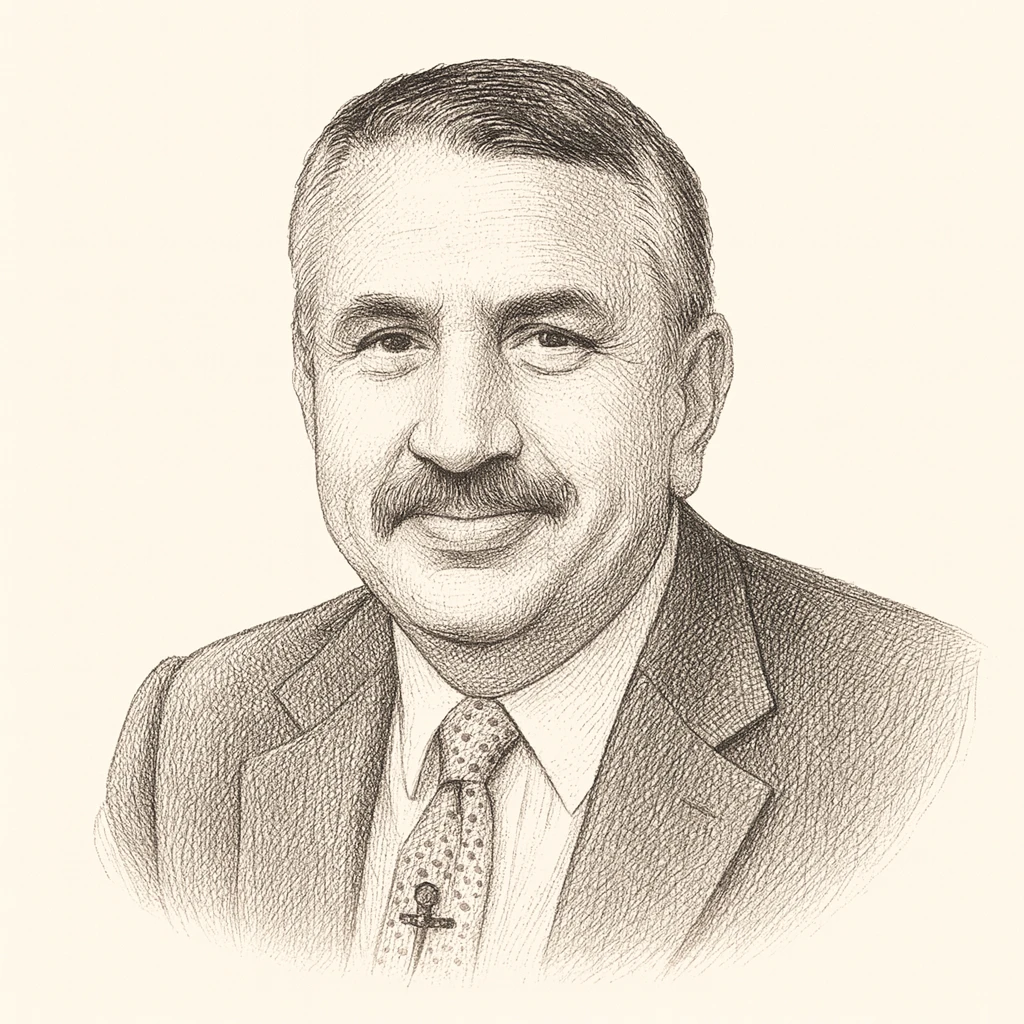
Thomas Friedman is an American journalist and author best known for his long-running foreign-affairs column at The New York Times, where he became one of the most widely read interpreters of globalization for a general audience. Beginning as a foreign correspondent covering the Middle East, he built his reputation on reporting from Beirut and Jerusalem before turning to the broad themes of economic integration, technology, and international order that define his commentary. His work sits at the intersection of journalism and popular political-economic argument, aimed less at specialists than at educated readers and policymakers seeking to make sense of a rapidly changing world.
Friedman's central intellectual contribution is a set of accessible metaphors for globalization. He argued that the spread of markets, communications technology, and global supply chains was integrating national economies and eroding older barriers, a process he described as the world becoming "flat" and as a tension between the forces of tradition and the forces of modernization and consumer capitalism. He has been associated with a broadly liberal-internationalist and pro-globalization outlook, emphasizing open trade, technological dynamism, and the notion that economic interdependence tends to discourage conflict between commercially linked states. In later work he extended these themes to climate change and energy, urging what he framed as a green revolution and warning about the pace of technological acceleration.
Politically, Friedman occupies a centrist, market-friendly position that has influenced mainstream debate about trade, foreign policy, and America's role in the global economy. His optimism about globalization made him an influential voice during the 1990s and 2000s, and his framing shaped how many readers and elites understood economic integration. That same optimism has drawn substantial criticism: skeptics argue that he underestimated the disruptions, inequality, and political backlash that accompanied free trade and outsourcing, and critics on both the left and right have faulted his support for interventionist foreign policy and his fondness for tidy metaphors. Whether embraced or contested, his ideas helped set the terms of a generation's argument about whether globalization is a liberating or a destabilizing force, and his influence is visible in the ongoing debate over economic nationalism and the limits of open markets.
Thomas Friedman is associated with Cosmopolitan. See the archetype