
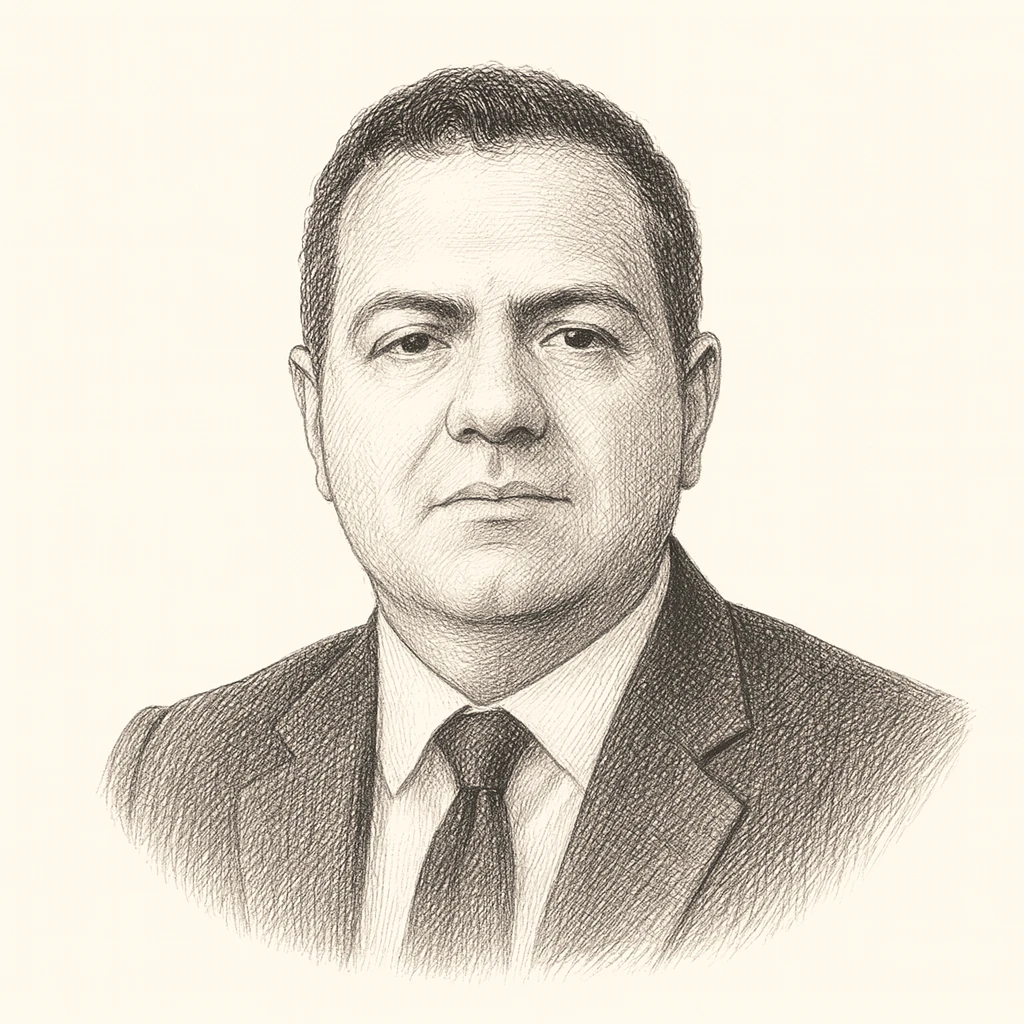
Sohrab Ahmari is an Iranian-American writer and commentator known for his role in the intellectual ferment on the American right during the late 2010s and early 2020s. Born in Iran and emigrating to the United States as a teenager, he described his own political and personal evolution across several works, including a memoir tracing his conversion to Catholicism. His trajectory—from a secular, broadly liberal outlook toward a religiously grounded conservatism—shaped his later arguments about the limits of liberal individualism and the role of moral and religious authority in public life.
Ahmari became a prominent voice in the debate over the future of American conservatism, particularly in his critique of what he characterized as a complacent "fusionist" or libertarian-leaning establishment. He argued that conservatives should be willing to use political power to advance substantive visions of the good rather than defer to a supposedly neutral proceduralism. This stance placed him among the figures associated with post-liberalism and the emerging "common good" tendency on the right, which questions whether classical liberal commitments to autonomy and market freedom can sustain a healthy social order. His public exchange with more libertarian-minded conservatives crystallized a broader intra-right dispute over the relationship between liberty, virtue, and state power.
He later became a co-founder of Compact, a magazine that brought together writers skeptical of liberal orthodoxy from both right and left, often converging on critiques of market fundamentalism, cultural liberalism, and concentrated economic power. In this vein Ahmari extended his arguments toward economic questions, criticizing the effects of unchecked corporate and financial power on ordinary workers and communities, a turn that aligned him with a populist and worker-oriented current within contemporary conservatism.
Ahmari's significance lies less in a systematic body of theory than in his role as a polemicist and organizer of arguments. He helped popularize post-liberal themes for a wider readership and pushed debates about religion, tradition, and the common good into mainstream conservative discourse. His work has drawn criticism from defenders of liberal proceduralism and free-market conservatism, who see his emphasis on state-directed moral and economic ends as a departure from constitutional and libertarian principles.
Sohrab Ahmari is associated with National Conservative. See the archetype