
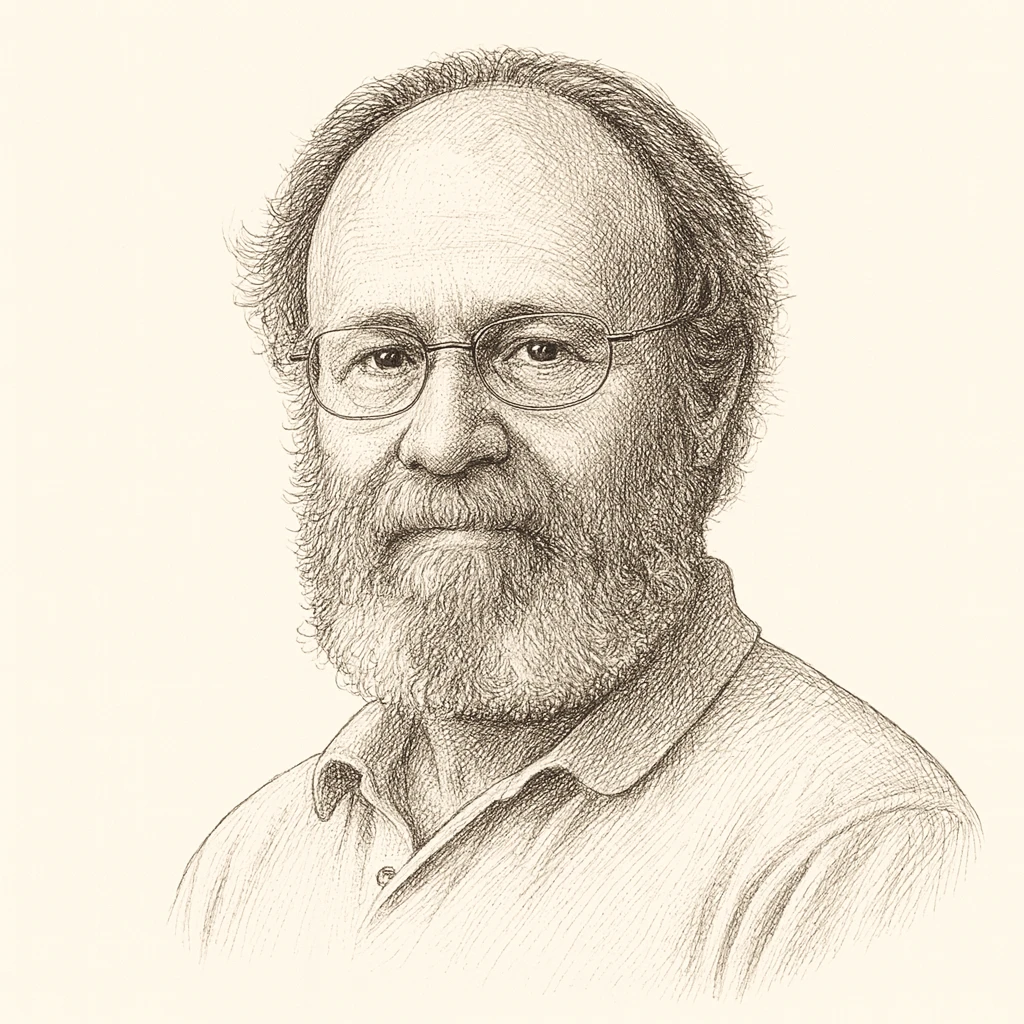
Sheldon Richman is an American writer and editor associated with the libertarian movement, known for developing and popularizing ideas within the tradition of radical, anti-statist libertarianism. He spent much of his career in libertarian institutions, serving for many years as an editor connected to the Foundation for Economic Education and its publications, and later took an editorial role with the Center for a Stateless Society. Through prolific essays, columns, and commentary, he built a reputation as a clear expositor of free-market economics, individual liberty, and skepticism of concentrated power in both the state and, increasingly, in the corporate sphere.
Richman's political thought is rooted in classical liberal and Austrian-influenced economics, emphasizing voluntary exchange, private property, and opposition to state coercion. He is a consistent critic of American foreign policy and militarism, arguing that war and empire expand state power at the expense of liberty at home. His writing also foregrounds civil liberties and opposition to the surveillance and security apparatus. This anti-war emphasis places him within a strand of libertarianism that sees peace and non-intervention as central rather than peripheral commitments.
Over time Richman came to identify with left-libertarianism and a market-oriented but anti-corporatist perspective sometimes described as free-market anti-capitalism or, in the tradition he engaged with, mutualist-influenced thinking. In this framework he distinguishes free markets worthy of the name from the existing economic order, which he argues is shaped by state privilege benefiting entrenched business interests. He has argued that many outcomes commonly attributed to markets actually stem from government intervention that protects the powerful, and that a truly freed market would tend to disperse wealth and empower workers and ordinary people. This positions him in dialogue with both traditional libertarianism and older individualist-anarchist currents.
Richman's influence lies less in a single systematic treatise than in his sustained role as a commentator and editor shaping how a segment of libertarians think about class, corporate power, foreign policy, and the relationship between markets and freedom. By insisting that anti-statism need not mean deference to existing economic hierarchies, he helped articulate a version of libertarianism that engages seriously with concerns often associated with the left, contributing to ongoing debates about where libertarian thought fits on the conventional political spectrum.
Sheldon Richman is associated with Left Libertarian. See the archetype