
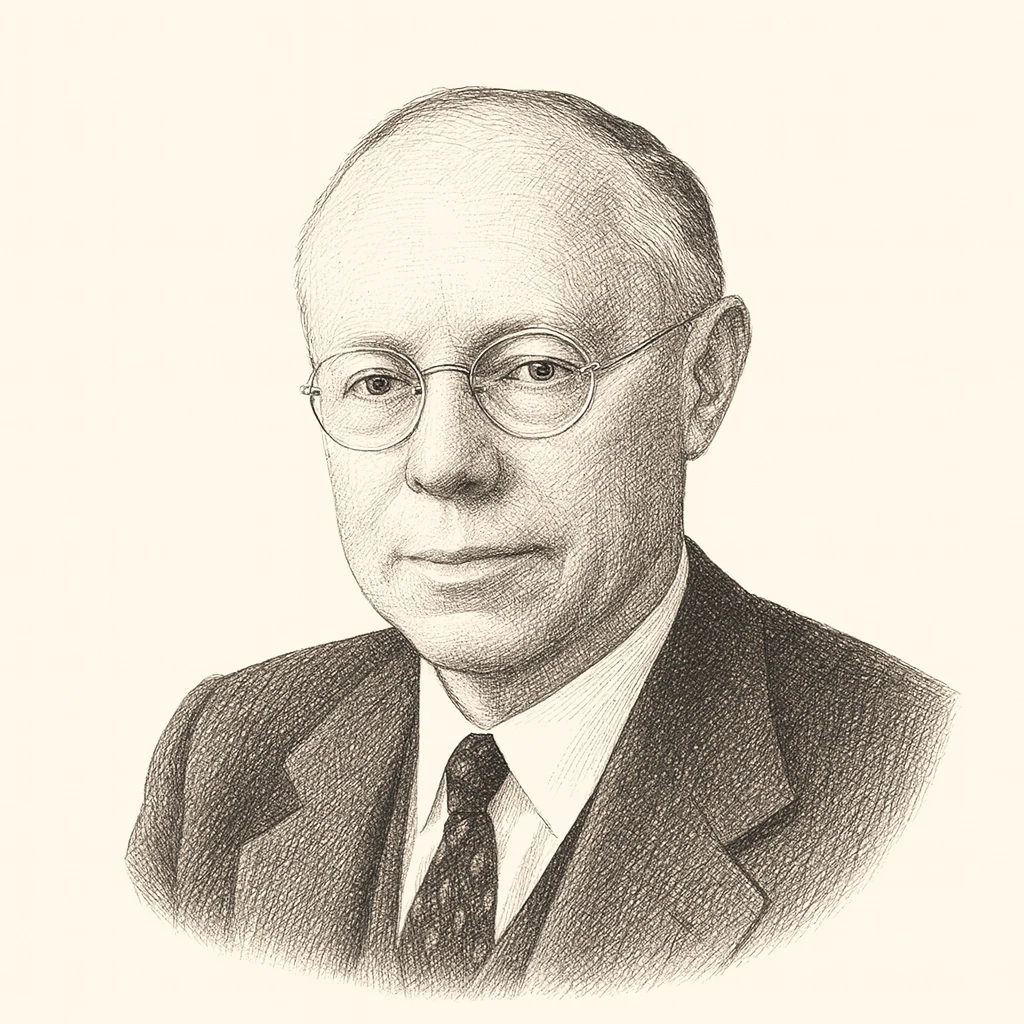
Robert A. Taft, son of President William Howard Taft, served as a Republican senator from Ohio from 1939 until his death in 1953 and became the recognized standard-bearer of conservative resistance to the New Deal order. Nicknamed "Mr. Republican," he articulated a domestic philosophy centered on limited federal government, fiscal restraint, and skepticism toward the expansion of executive and administrative power. He accepted a role for government in providing a basic floor—supporting federal involvement in housing, education, and health to a degree that surprised some allies—but he insisted that such measures remain constrained and consistent with individual liberty and constitutional limits rather than an open-ended growth of the state.
Taft is best remembered in labor policy for co-sponsoring the Taft-Hartley Act of 1947, which rolled back portions of the earlier Wagner Act and restricted certain union practices; it stands as a durable monument to his belief in balancing organized labor against employers and the broader public. In foreign affairs he was the leading voice of what later observers call the Old Right: he was deeply skeptical of American entry into large overseas commitments, warned against the concentration of war-making power, and expressed reservations about permanent military alliances and the emerging Cold War national-security apparatus. He feared that an expansive foreign policy would corrode domestic liberty and burden the taxpayer, though he was not a strict isolationist and accepted resistance to communism within limits.
He sought the Republican presidential nomination repeatedly, most consequentially losing to Dwight Eisenhower in 1952, a contest widely read as a defeat for the party's non-interventionist, small-government wing by its internationalist establishment. That loss did not end his influence: Taft's blend of constitutional constraint, fiscal conservatism, and caution about foreign entanglement supplied a template that later thinkers and politicians on the American right returned to, including the non-interventionist currents associated with figures like Patrick Buchanan and Ron Paul. His legacy is contested—critics saw his foreign-policy caution as dangerously naive amid mid-century threats—but he remains a defining reference point for a distinctly national conception of American conservatism.
Robert Taft is associated with National Conservative. See the archetype