
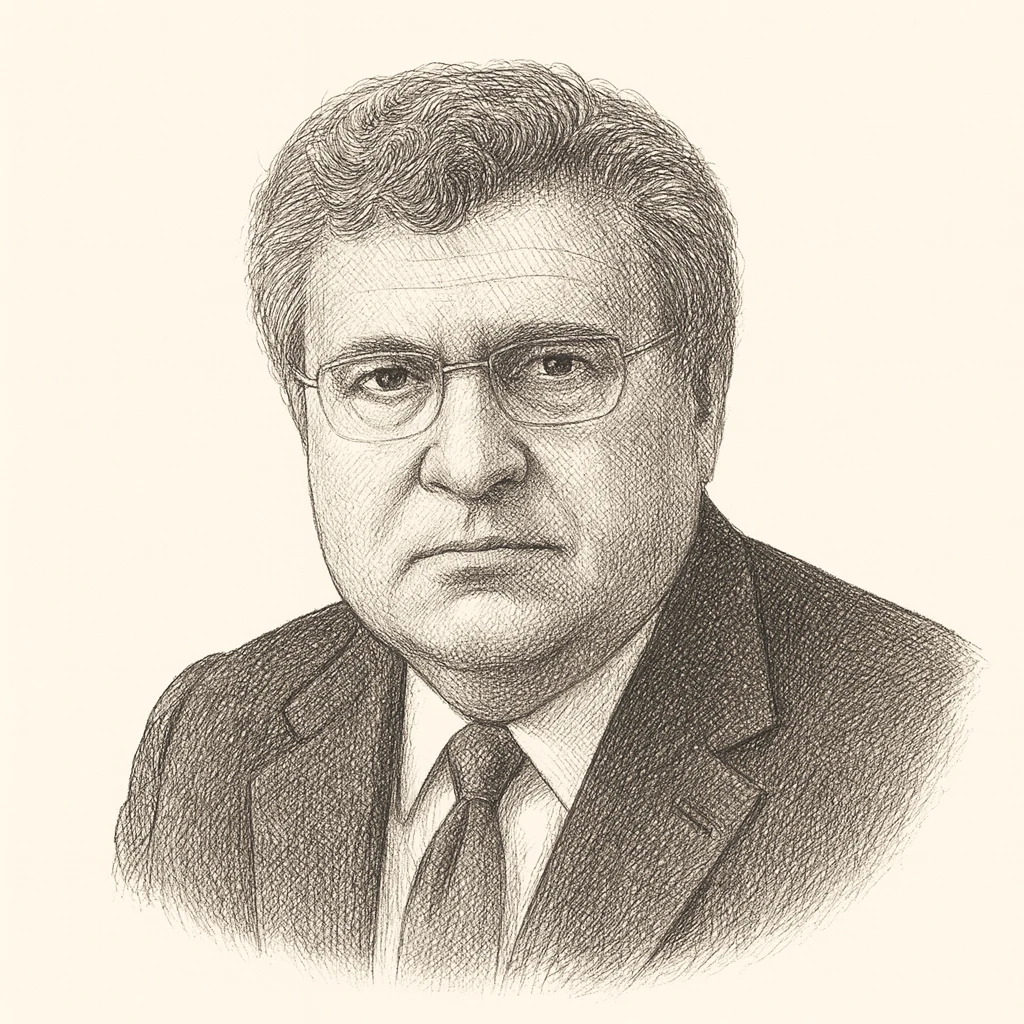
Robert Kagan is an American writer and foreign-policy thinker widely identified with the neoconservative tradition and with the broader case for muscular American internationalism. Working as a commentator, essayist, and scholar—including a long association with the Carnegie Endowment for International Peace and later the Brookings Institution—he has been one of the most prominent intellectual advocates of the view that the United States should use its power, including military power, to shape the international system rather than retreat toward restraint or isolation. His arguments have circulated widely in policy debates, and he was among the founders of the Project for the New American Century, an initiative that pressed for a more assertive U.S. posture in the 1990s and early 2000s.
Kagan's thought centers on the claim that international order does not sustain itself but depends on the willingness of a dominant liberal power to underwrite it. He has argued that periods of relative peace and prosperity rest on American engagement, and that the alternative to that engagement is not a self-regulating equilibrium but a return to great-power competition and the ambitions of authoritarian states. In this framing, retrenchment is not neutral but actively dangerous, allowing rival visions of order to fill the vacuum left by American withdrawal. He has also written influentially about the divergence between American and European strategic cultures, contrasting a United States more willing to rely on force with a Europe more oriented toward law, negotiation, and shared sovereignty.
A recurring theme in his writing is a warning against complacency: he treats the liberal order as historically exceptional and fragile rather than as an inevitable endpoint of progress, and he stresses the persistence of nationalism, tribalism, and authoritarian appeal within democracies as well as abroad. In more recent years he has extended these concerns to the health of American democracy itself, warning about threats to liberal norms from within.
Kagan's influence lies less in a single systematic doctrine than in his role as a persistent, articulate defender of American primacy and liberal internationalism across shifting political circumstances. His arguments have shaped debates over intervention, alliance politics, and the ends of American foreign policy, and they remain a reference point—both for supporters of an activist United States and for the restraint-minded critics who contest that vision.
Robert Kagan is associated with Neoconservative. See the archetype