
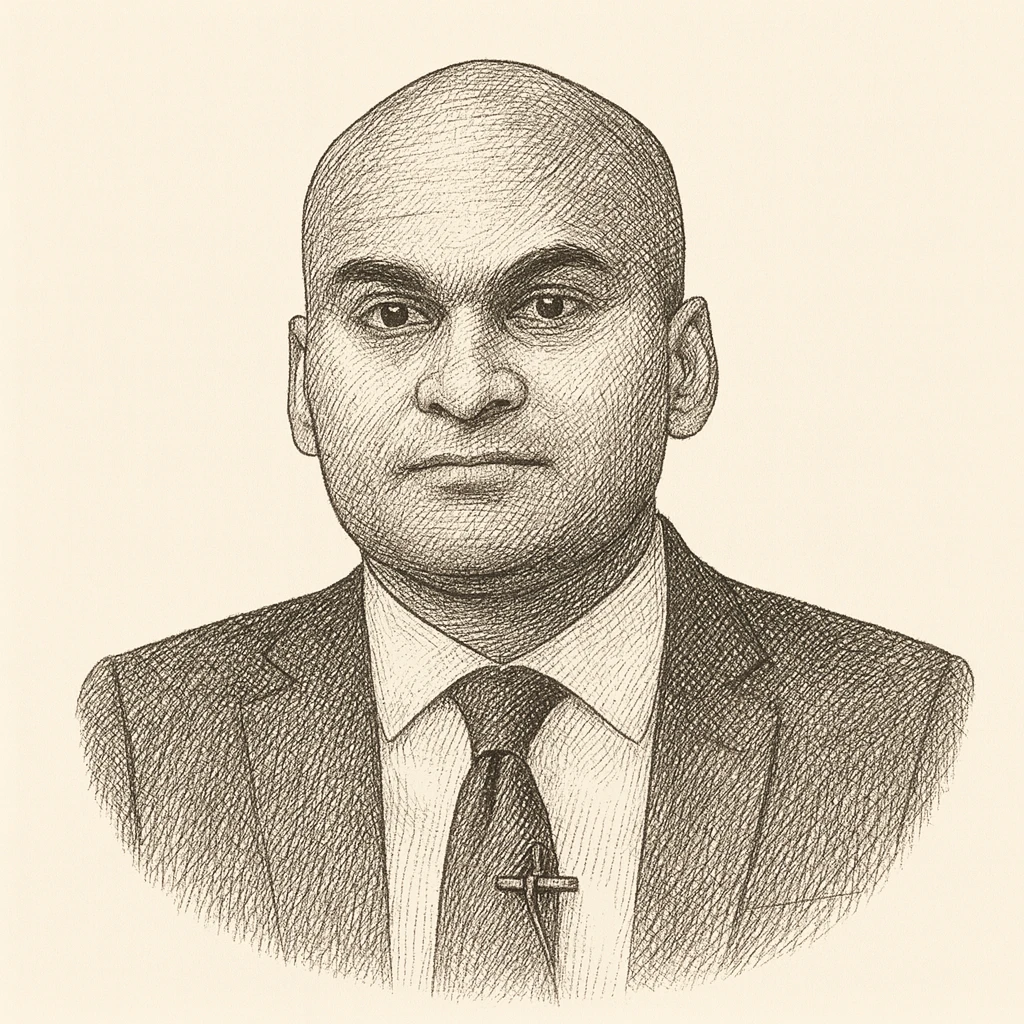
Reihan Salam is an American writer and editor whose work sits within the strand of conservatism concerned with adapting the Republican right to the economic anxieties of working- and middle-class voters. The son of Bangladeshi immigrants, he emerged in the 2000s as a prominent voice in what became known as "reform conservatism," a project arguing that the right had grown too attached to abstract anti-government rhetoric and too inattentive to the material insecurities of ordinary families. With Ross Douthat he co-authored a book making the case that Republicans should build a governing majority by directly addressing the concerns of non-elite Americans, offering policy ideas on taxes, family support, health care, and wages rather than relying on donor-class priorities.
Salam's political thought blends market-oriented instincts with a willingness to use policy to shore up social stability, family formation, and upward mobility. He has been especially associated with debates over immigration, where he argues from the vantage point of assimilation and social cohesion: contending that immigration policy should be evaluated by how well newcomers and their children integrate economically and culturally, and that high levels of low-skilled immigration can strain the prospects of the native and immigrant working class alike. This position, developed at length in his writing on the subject, distinguishes him from both open-borders liberalism and purely restrictionist nativism, framing the question around class, mobility, and national solidarity.
As an editor at National Review and in other outlets, and later as president of the Manhattan Institute—a think tank long associated with urban policy, policing, welfare reform, and market-based approaches to social problems—Salam has helped shape center-right policy conversation. He is generally read as part of a generation of conservative intellectuals who sought to move the movement beyond Reagan-era orthodoxy and toward a more populist, family- and worker-focused agenda, a set of arguments that gained fresh relevance amid the realignments of the 2010s. His influence lies less in a single doctrine than in his persistent effort to press conservatism to take seriously the economic and cultural conditions of those outside the professional elite.
Reihan Salam is associated with Reform Conservative. See the archetype