
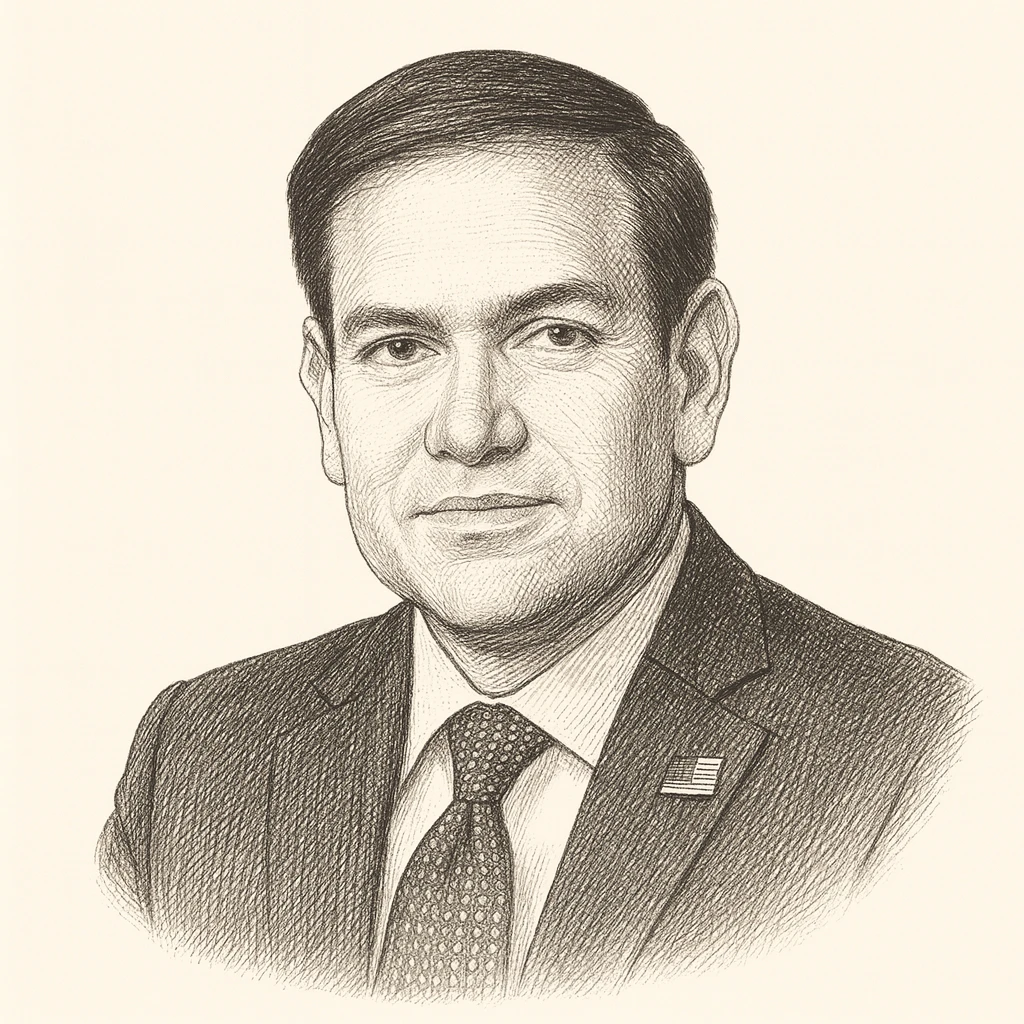
Marco Rubio emerged in national politics as a product of the Tea Party wave, defeating an establishment Republican in Florida to enter the U.S. Senate in 2011. As the son of Cuban immigrants, he framed much of his early political identity around a hopeful narrative of the American Dream, emphasizing upward mobility, entrepreneurship, and the promise of opportunity for newcomers. His early thought fused a familiar conservative agenda—limited government, free markets, and a muscular foreign policy—with a personal story that gave those commitments emotional and generational resonance, particularly for Latino and immigrant audiences.
Rubio has long been associated with hawkish, interventionist views on foreign affairs, positioning himself as a defender of American leadership abroad and a sharp critic of authoritarian regimes, especially the Castro and later Maduro governments in Cuba and Venezuela, as well as the Chinese Communist Party. He argued that the promotion of democracy and human rights served both American values and American interests. His work on immigration was more contested: he helped craft a bipartisan comprehensive reform effort early in his Senate career, but retreated from it under conservative pressure, an episode that shaped debates about the limits of compromise within the Republican coalition.
Over time, Rubio's economic thinking shifted toward what is sometimes called "common-good" or worker-oriented conservatism. He became a prominent voice for the idea that markets should serve broader social ends, criticizing an excessive focus on shareholder value and calling for policies that strengthen domestic manufacturing, families, and dignified work. Drawing at times on Catholic social teaching, he argued that conservatism should attend not only to economic growth but to the health of communities, and he embraced a more skeptical stance toward globalization and unfettered trade—reflecting the broader nationalist realignment of the Republican Party.
After his unsuccessful 2016 presidential campaign, Rubio reconciled with the populist direction of his party and became a significant Senate figure on intelligence and foreign policy. His appointment as Secretary of State in 2025 placed him at the center of executing a foreign policy that blends his longstanding hawkishness toward adversaries with the more transactional, sovereignty-focused nationalism that has come to define contemporary American conservatism.
Marco Rubio is associated with Reform Conservative. See the archetype