
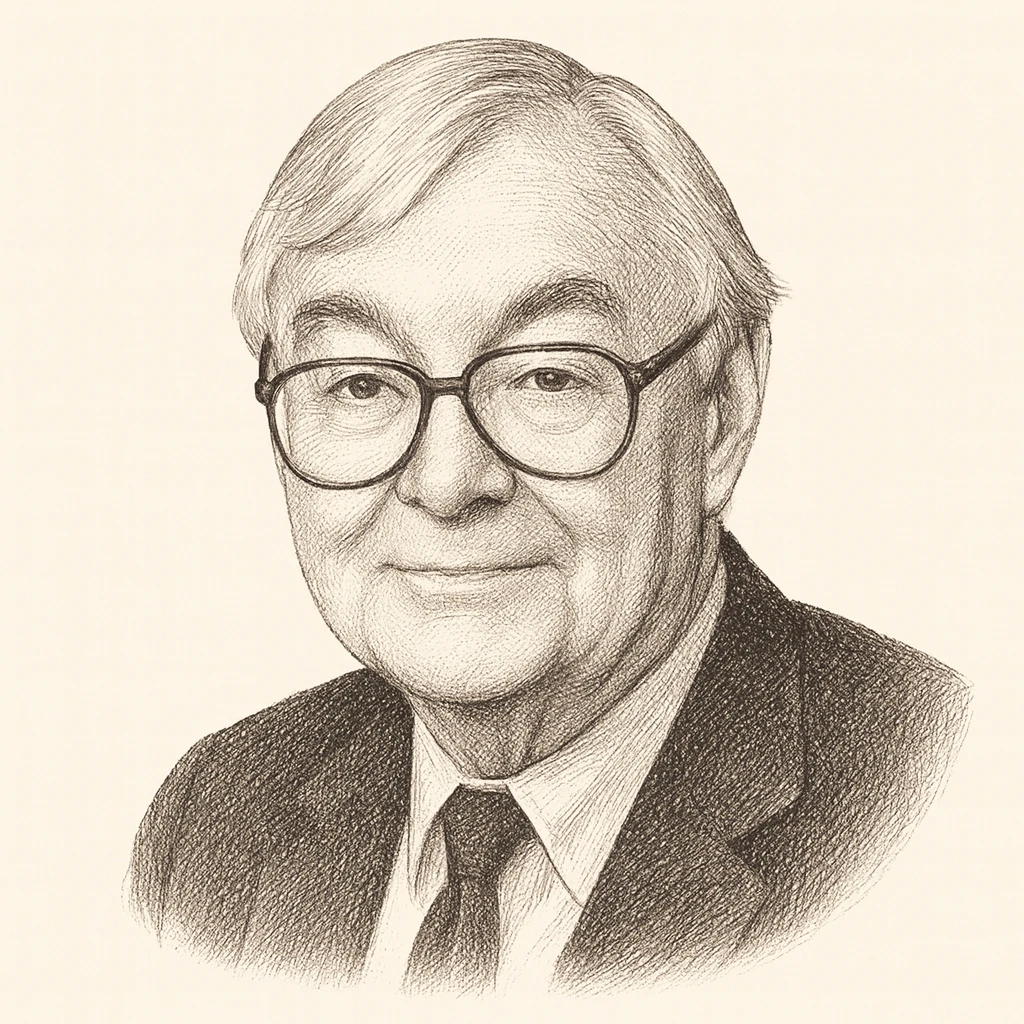
Daniel Patrick Moynihan (1927–2003) occupied a rare position in American public life as both a social scientist and a career politician, moving between the academy, presidential administrations of both parties, and a long tenure as a Democratic senator from New York. His political thought is most associated with the empirical study of poverty, family structure, and the effects of social policy, and with a skeptical, evidence-driven liberalism that resisted easy ideological categorization. He served in the administrations of presidents from both parties, an unusual trajectory that reflected his conviction that policy should be judged by outcomes rather than intentions.
Moynihan became a central figure in the debate over race and poverty through his analysis of Black family structure, which argued that concentrated poverty was producing self-reinforcing social breakdown. The report drew intense objections, most memorably from the psychologist William Ryan, whose Blaming the Victim (1971) was written to refute it and argued that it shifted responsibility for poverty from structural causes onto Black families themselves, while defenders saw it as a prescient warning about the social costs of poverty. This episode became a touchstone in later arguments about welfare, the underclass, and the proper aims of anti-poverty policy, and it shaped his lasting reputation as a thinker willing to advance uncomfortable empirical claims.
His broader intellectual outlook combined a defense of the ambitions of liberal reform with warnings about its unintended consequences and its tendency toward overreach. He was skeptical of grand social-engineering schemes even as he affirmed government's responsibility for social welfare, and he emphasized the importance of stable families and functioning communities as foundations for opportunity. He is often cited for the idea that societies can gradually lower their standards for acceptable conduct—a diagnosis of cultural and institutional decline that influenced both liberal and conservative commentators.
Across his career Moynihan championed the value of rigorous social science in governing, insisting that policymakers confront data even when it disturbed partisan orthodoxies. His willingness to challenge assumptions on the left while remaining a committed Democrat made him a bridging figure whose arguments have been claimed by neoconservatives, communitarians, and centrist reformers alike. His enduring influence lies less in a single doctrine than in a stance: that clear-eyed empirical analysis, however inconvenient, must inform serious debate about family, poverty, and the capacities and limits of the state.
Daniel Patrick Moynihan is associated with Reform Conservative. See the archetype