
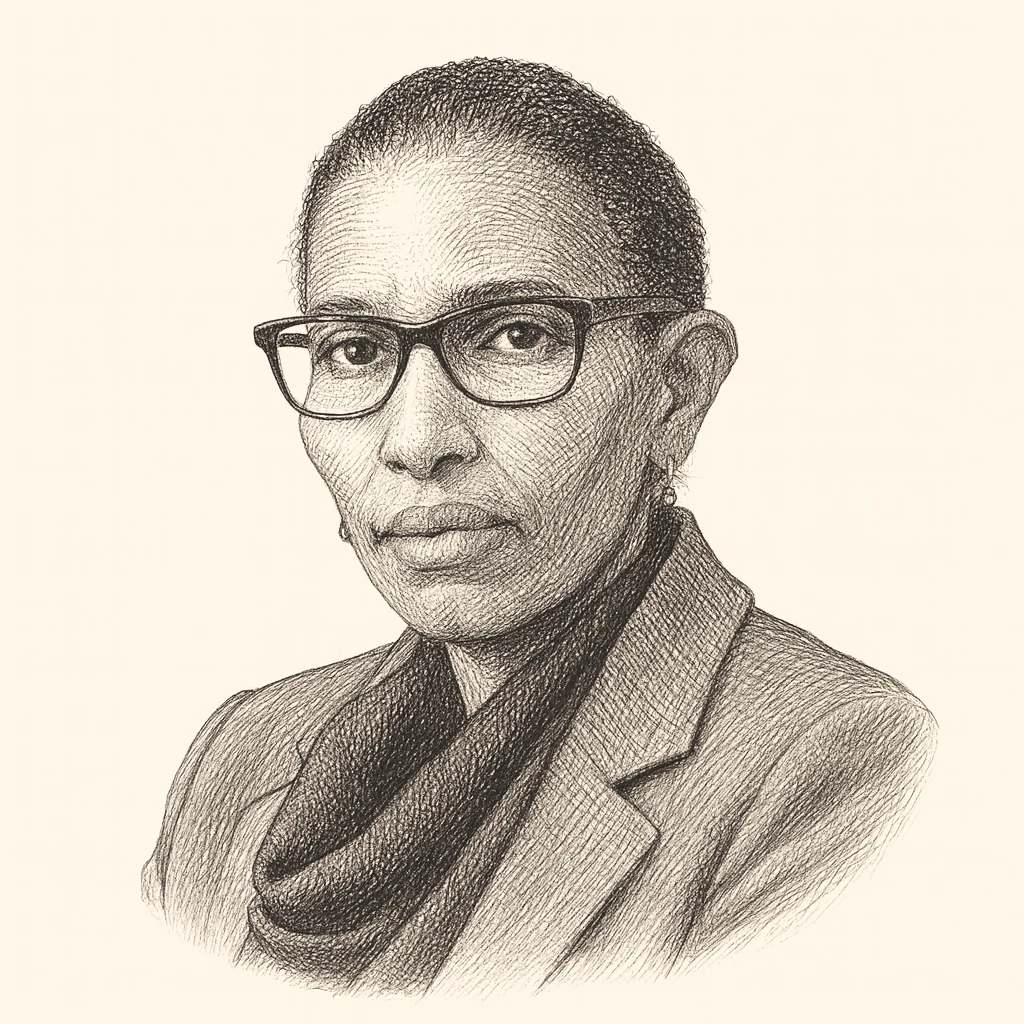
Ayaan Hirsi Ali rose to prominence as one of the most outspoken critics of Islam's treatment of women and its relationship to liberal democracy. Born in Somalia and raised across several African countries, she sought asylum in the Netherlands in the early 1990s, later recounting a personal journey from devout Muslim belief to atheism. She entered Dutch politics as a member of parliament, where she argued that Western societies were too reluctant to confront illiberal practices—forced marriage, female genital cutting, honor violence—out of a misplaced multicultural deference. Her collaboration with filmmaker Theo van Gogh on a short film about the mistreatment of Muslim women drew death threats, and van Gogh's murder in 2004 by an Islamist made her a global symbol of the clash between free expression and religious extremism.
Her political thought centers on a defense of Enlightenment values—individual rights, secularism, freedom of speech, and gender equality—which she presents as universal rather than culturally specific. She has argued that Islam, unlike other major faiths, has not undergone a reformation that reconciles it with modern liberal norms, and she has called for reform from within alongside frank criticism from without. Over time her emphasis shifted from a strictly secular liberalism toward what she frames as a broader defense of Western civilization, and she has spoken of a renewed appreciation for the cultural role of Christianity. This trajectory—from Islam critique to civilizational conservatism—has placed her within debates about immigration, integration, and national identity in Europe and the United States.
Hirsi Ali's record is seriously contested. Supporters regard her as a courageous dissident who names abuses that others avoid for fear of causing offense; in 2014 Brandeis University withdrew a planned honorary degree after the Council on American-Islamic Relations, faculty members and student groups objected, its president saying that certain of her past statements were inconsistent with the university's core values. Questions were also raised in the Netherlands about statements in her asylum application, a controversy she has addressed publicly. Now based in the United States and affiliated with conservative-leaning institutions, she remains influential, and her work presses a persistent question about how liberal societies should respond to belief systems they judge illiberal.
Ayaan Hirsi Ali is associated with Moderate Conservative. See the archetype