
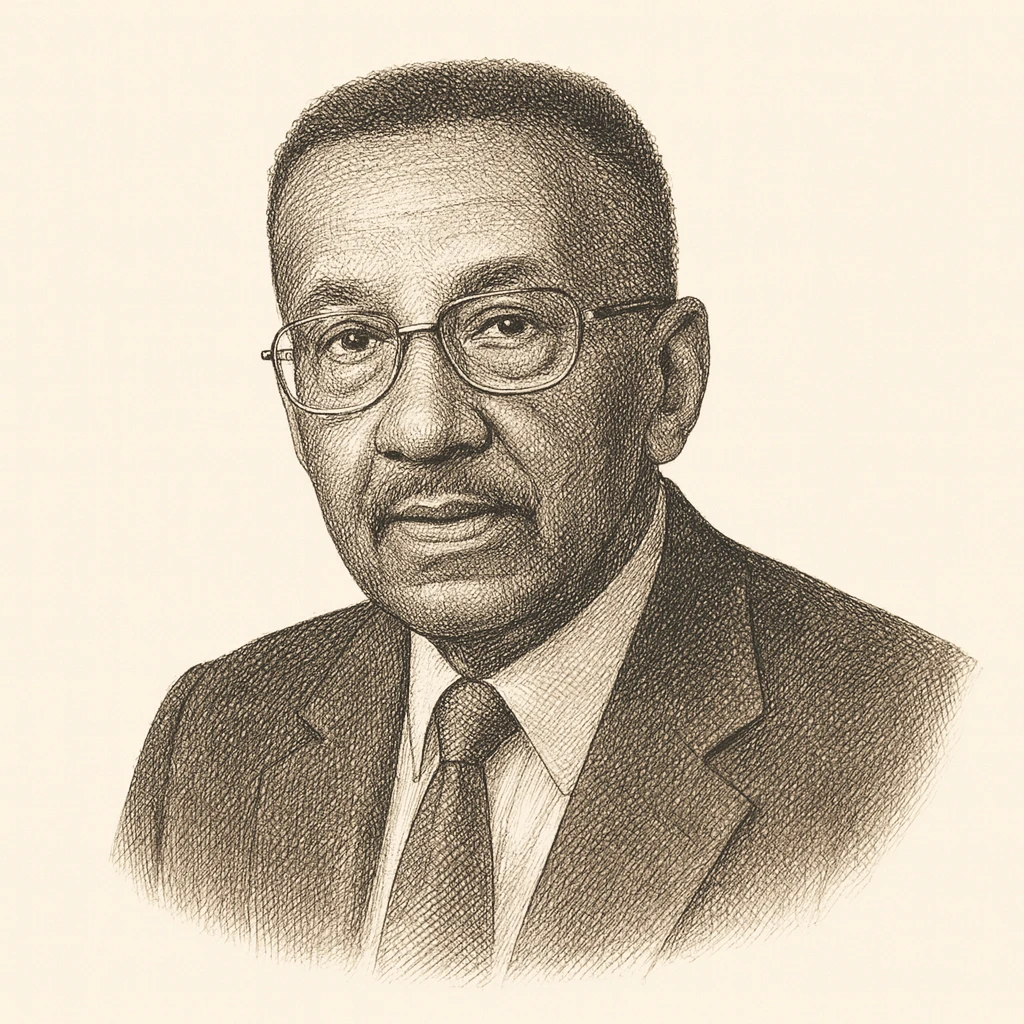
Walter Williams was an American economist long associated with George Mason University, where he taught for decades and helped build its department into a center of free-market and public-choice-oriented scholarship. His political thought rested on a classical-liberal conviction that markets, voluntary exchange, and secure private property do more to lift the poor and marginalized than well-intentioned state intervention. He was also a widely read syndicated columnist and a frequent public commentator, which gave his ideas reach well beyond academic economics.
Williams's most distinctive contribution lay in applying market analysis to questions of race and economic mobility. He argued that occupational licensing laws, minimum-wage requirements, and other regulatory barriers, whatever their stated aims, disproportionately priced less-experienced and minority workers out of employment. In this account, government policy—not merely private prejudice—bore significant responsibility for entrenched disadvantage, and the removal of barriers to entry offered a more reliable remedy than expanded welfare programs. He was consistently critical of the welfare state, which he charged with fostering dependency and eroding family structure and personal responsibility.
These themes placed Williams alongside his friend and intellectual ally Thomas Sowell; the two shared a broadly libertarian-conservative outlook that stressed incentives, unintended consequences, and skepticism toward centralized planning. Williams framed limited government as a moral as well as economic matter, defending individual liberty against what he saw as the steady expansion of state coercion. He argued that self-reliance and free enterprise had historically done more for Black Americans than paternalistic policy.
His positions were contested. Critics on the left argued that his emphasis on markets and personal responsibility understated the weight of structural discrimination and the role of public provision in reducing poverty. Williams, for his part, treated such criticism as evidence that mainstream discourse had grown reluctant to examine the costs of the policies it favored. Whatever the verdict, his work made him one of the more prominent voices arguing that economic freedom and the interests of the disadvantaged point in the same direction, and he remains a touchstone for free-market thinking on race and regulation.
Walter Williams is associated with Traditional Libertarian. See the archetype