
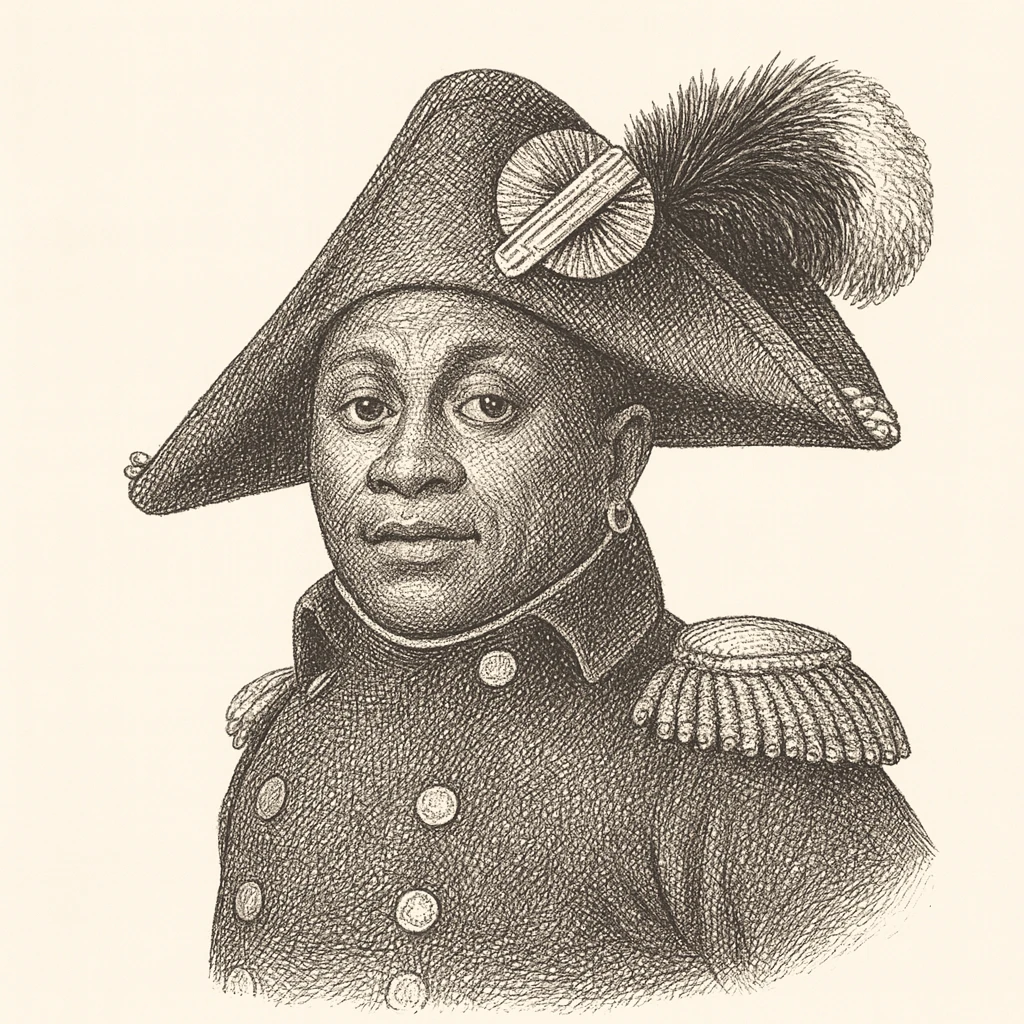
Toussaint Louverture emerged from slavery in the French colony of Saint-Domingue to become the central political and military leader of the Haitian Revolution, the only successful large-scale slave revolt in modern history. His significance lies less in a body of written theory than in the political meaning of his actions: he seized the abstract promises of liberty and equality proclaimed in revolutionary France and insisted they applied fully to enslaved Africans and their descendants. In doing so he exposed the contradiction at the heart of Atlantic revolutionary ideology, which had proclaimed universal rights while defending racial slavery and colonial plantation wealth.
Toussaint's political thought, as far as it can be reconstructed from his correspondence, decrees, and the constitution promulgated under his authority in 1801, combined emancipation with a strong commitment to order, productivity, and centralized governance. He abolished slavery but sought to keep the plantation economy running, often through coercive labor arrangements that bound former slaves to the estates. This tension—between the liberation of persons and the demands of a functioning post-slavery economy and state—makes him a genuinely contested figure. He has been read both as a champion of freedom and as an authoritarian ruler who concentrated power in his own hands and disciplined labor harshly.
He navigated shifting allegiances among France, Spain, and Britain with notable pragmatism, ultimately aligning with revolutionary France once it moved toward abolition, while asserting effective autonomy for the colony. The 1801 constitution named him governor for life and asserted local self-rule, stopping short of formal independence but signaling that Saint-Domingue would be governed by and for its formerly enslaved majority. Napoleon, intent on restoring slavery and metropolitan control, sent an expedition that captured Toussaint through deception; he died in a French prison in 1803, before Haiti declared independence the following year.
His enduring influence is as the founding figure of the anticolonial liberty tradition. Later abolitionists, Black radicals, anticolonial nationalists, and thinkers of national liberation invoked him as proof that the enslaved could constitute themselves as political actors and seize sovereignty. C. L. R. James's account made him a touchstone for twentieth-century movements linking racial emancipation, national independence, and social transformation.
Toussaint Louverture is associated with Left Nationalist. See the archetype