
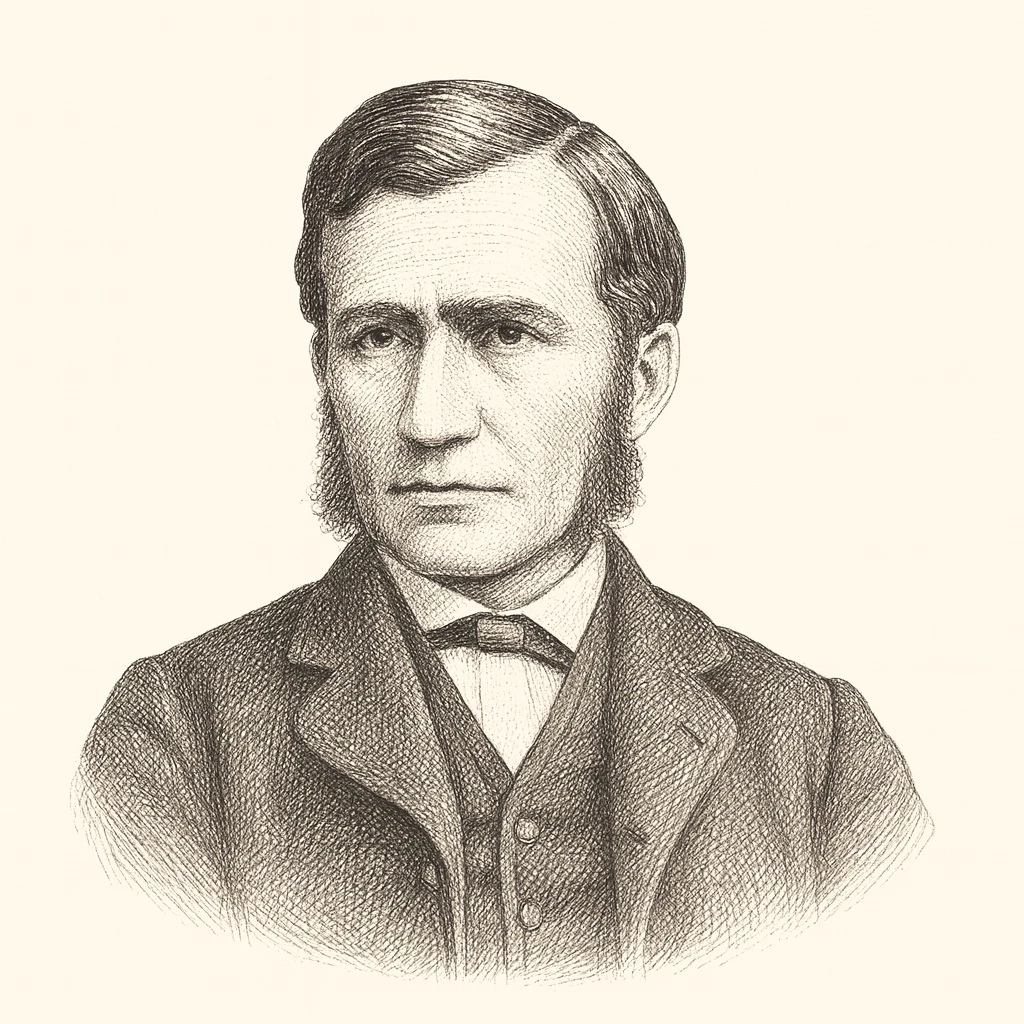
Thomas Hill Green taught philosophy at Balliol College, Oxford, to the generation that would go on to run the British state, and died at forty-five before publishing the political ideas he is remembered for. His Lectures on the Principles of Political Obligation appeared only after his death, reconstructed from the courses he gave in 1879 and 1880. It was enough. Within two decades those lectures had changed what British liberalism meant by freedom.
The classical liberalism Green inherited defined freedom as the absence of restraint: the state leaves you alone, therefore you are free. Green thought this description missed what freedom is for. A man under no legal restraint but trapped by drink, illiteracy, or a slum landlord has no real power to make anything of his life. Freedom, Green argued, is a positive capacity — the ability to do and enjoy things worth doing, in common with others. A state that removes obstacles to that capacity is enlarging liberty rather than invading it, and rights are claims society recognizes because they serve a good held in common. On this account, a law that closes a gin palace or compels a child into school could be freedom's instrument.
He practiced what he lectured. Green campaigned for temperance and for extending education to boys without means, and won election to the Oxford town council from an ordinary town ward, the first don the townsmen chose for themselves. The metaphysics behind the politics came from Kant and Hegel, read against the grain of British empiricism; the school Green led became known as British Idealism.
His influence outran his life by a full generation. Herbert Asquith heard his lectures at Balliol; so did Arnold Toynbee, whose name the settlement movement carried into the East End slums. The New Liberal politicians who laid the first foundations of the British welfare state before 1914 had been trained on Green's arguments, and the tradition he started, social liberalism, still rests on his conviction that government can serve freedom rather than only threaten it. Half the liberal world argues in his vocabulary without knowing his name.
T.H. Green is associated with Social Liberal. See the archetype