
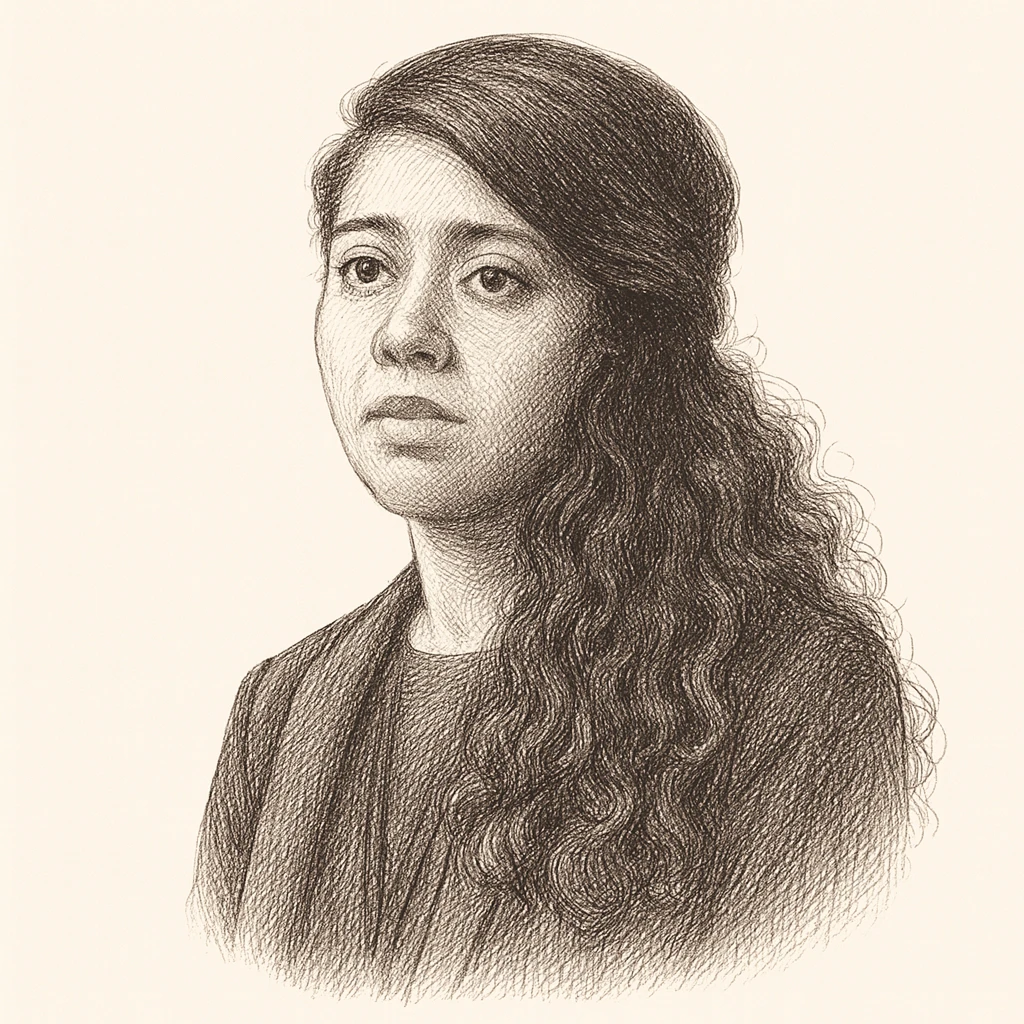
Sarah Haider is a Pakistani-born American writer and activist best known as a co-founder of Ex-Muslims of North America, an organization created to build community and support for those who leave Islam and to advance the right to openly question and criticize religion. Born in Pakistan and raised in the United States, she came to public attention through her advocacy for atheists and apostates from Muslim backgrounds, a constituency she argues is often rendered invisible in Western political debate. Her core claim is that liberal principles—freedom of conscience, freedom of speech, and the right to dissent from inherited belief—should apply universally, including to critiques of Islam, and that carving out religion as beyond scrutiny betrays those principles.
Haider situates herself in a broadly secular, classical-liberal tradition, and she has been a persistent critic of what she sees as a reluctance on the political left to defend ex-Muslims and reformist voices for fear of appearing bigoted or feeding anti-Muslim prejudice. At the same time she distances herself from those who use criticism of Islam as a vehicle for hostility toward Muslims as people. This dual posture—defending robust critique while rejecting xenophobia—places her within the heterodox, free-speech-focused currents that gained prominence in the 2010s, alongside other writers who resist ideological orthodoxy on both left and right.
Her influence is chiefly rhetorical and organizational rather than the product of a formal body of political theory. Through public talks, essays, and later independent writing and podcasting, she has helped frame apostasy and religious dissent as free-expression issues rather than merely private matters of faith, and has pushed debates about tolerance, identity, and the limits of cultural relativism. She argues that genuine pluralism requires protecting the right to leave and to criticize a community, not only the right to belong to it.
Admirers credit Haider with giving voice to a marginalized group and defending consistent liberal norms; the concern raised about her work is that an emphasis on Islam's failings can be applied selectively or exploited by others. Her work is thus best understood as part of ongoing arguments over how secular societies should balance respect for religious minorities against the freedom to question belief.
Sarah Haider is associated with Civil Libertarian. See the archetype