
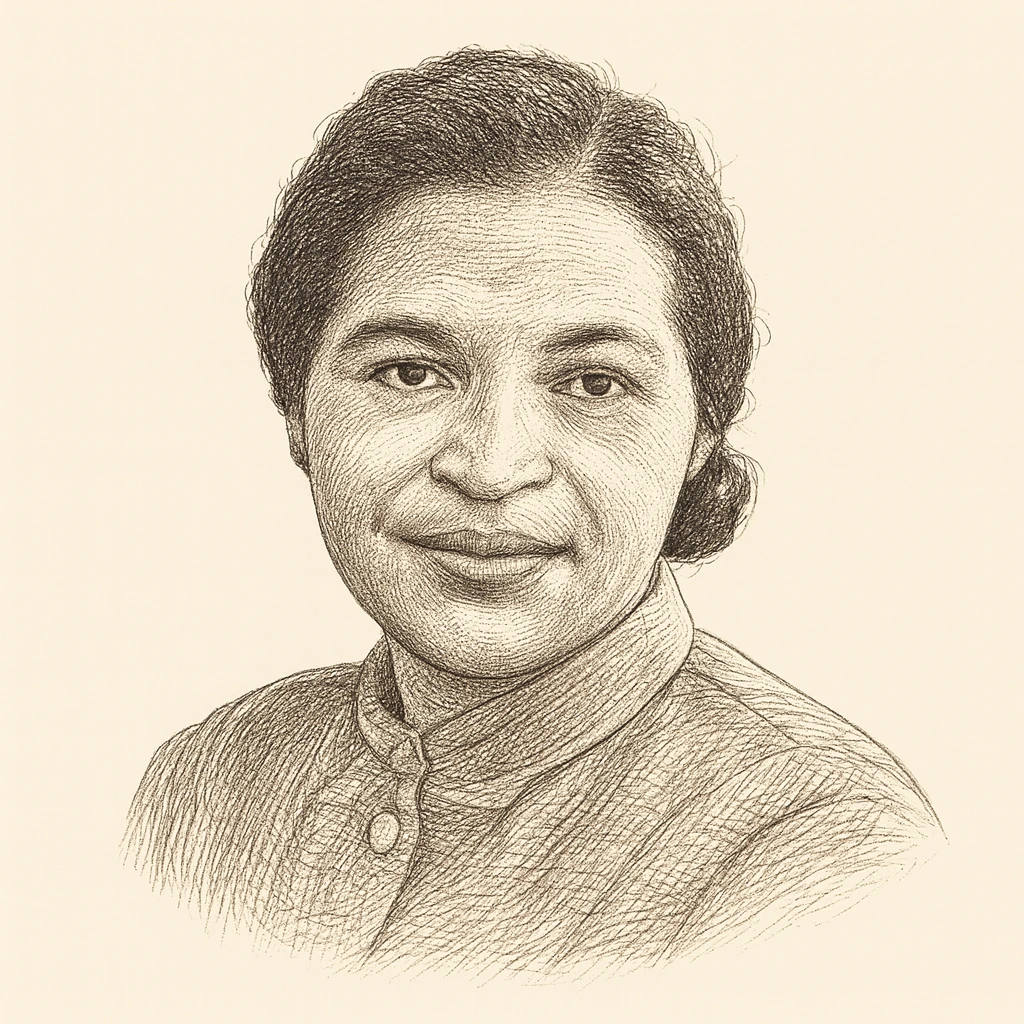
Rosa Parks, often called the 'mother of the civil rights movement,' refused to give up her bus seat to a white passenger in Montgomery, Alabama, and sparked the boycott that launched the modern civil rights struggle. Her arrest was not an accident: she was a trained activist, and her refusal was a deliberate act of resistance.
Parks had worked as secretary for the Montgomery NAACP for years before December 1, 1955. In that role she documented cases of racial violence and injustice, including investigations into the sexual assault of Black women in the segregated South. She had attended the Highlander Folk School, which trained civil rights activists. Others had challenged Montgomery's bus segregation before her, and local leaders chose her arrest as the case to challenge it. When she refused to move, she was arrested for violating segregation laws.
The Montgomery Improvement Association, led by the young Martin Luther King Jr., organized a 381-day boycott that ended bus segregation.
Parks paid a heavy price for her stand: she lost her job, received death threats, and eventually moved to Detroit. There she admired Malcolm X, defended self-protection against violence, and challenged housing and school segregation, job discrimination, and policing in the North.
She continued activism throughout her life, working for Congressman John Conyers and founding the Rosa and Raymond Parks Institute for Self Development. Her quiet, disciplined conduct made her a widely recognized symbol of nonviolent resistance. When she died, she lay in honor in the Capitol Rotunda—the first woman so honored.
Rosa Parks is associated with Progressive Activist. See the archetype