
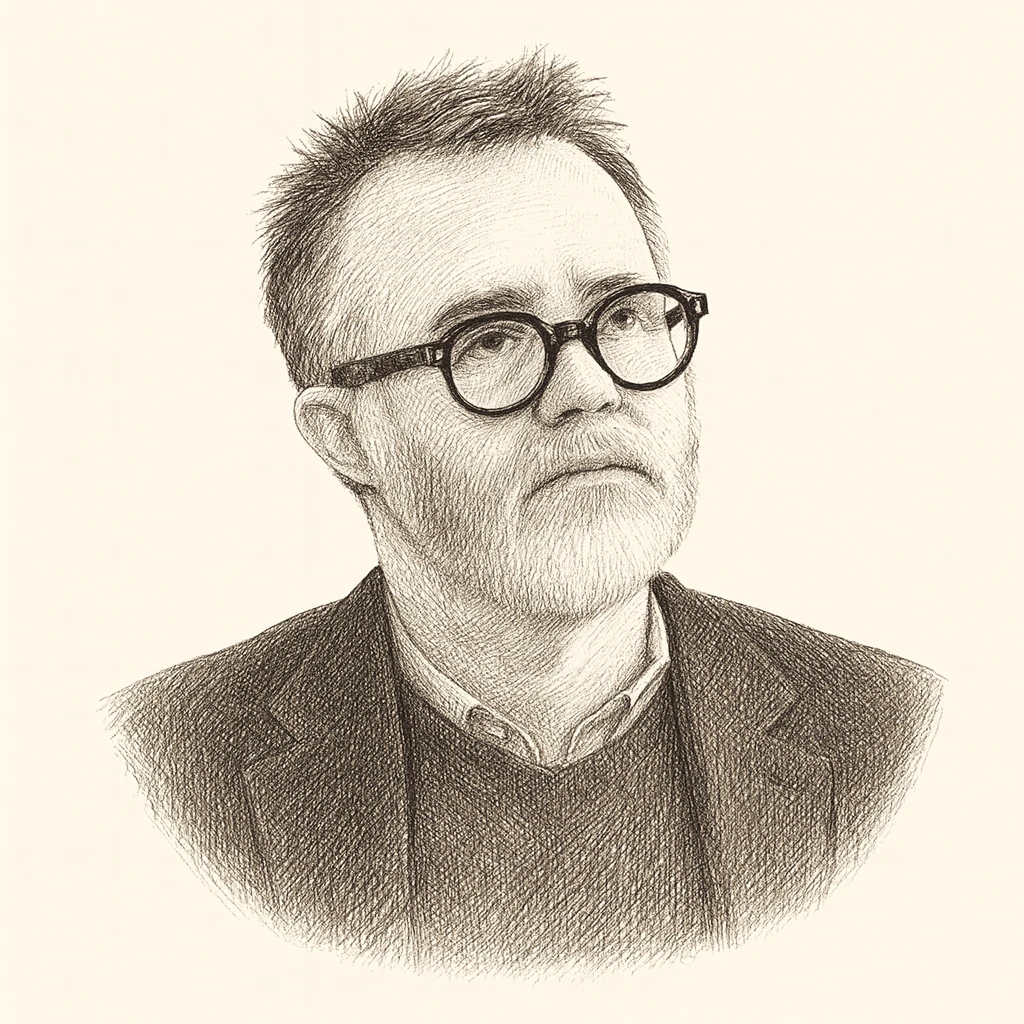
Rod Dreher is an American writer and cultural commentator whose work sits at the intersection of religious conservatism, cultural criticism, and communitarian thought. A convert first to Roman Catholicism and later to Eastern Orthodoxy, Dreher built his reputation as a columnist and blogger, writing for outlets including National Review, the Dallas Morning News, and The American Conservative, where he became one of the most widely read voices on the traditionalist religious right. His writing consistently returns to the conviction that Western societies, and the United States in particular, have undergone a profound erosion of the moral and metaphysical framework once supplied by Christianity, leaving believers as a beleaguered minority within a secular liberal order.
Dreher's most influential contribution to political and cultural debate is The Benedict Option (2017), which argues that orthodox Christians can no longer assume they inhabit a broadly sympathetic culture and should therefore shift energy away from national political combat toward building intentional, disciplined local communities capable of preserving their faith and traditions. Drawing on the moral philosopher Alasdair MacIntyre, whose After Virtue closes with a call for new communities to sustain the virtues through a coming dark age, Dreher frames his proposal as a strategic withdrawal rather than a retreat from public life. The book sparked extensive argument across the right, with critics charging it counseled defeatism and abandonment of political engagement, while defenders saw it as a realistic reckoning with cultural marginalization.
In Live Not By Lies (2020), Dreher extended his analysis by drawing on the testimony of dissidents who lived under Soviet-bloc communism, warning of what he calls a "soft totalitarianism" emerging in Western societies through corporate power, technological surveillance, and pressures toward ideological conformity on questions of identity and sexuality. He borrows Aleksandr Solzhenitsyn's injunction against complicity in falsehood to urge religious and cultural conservatives to prepare for dissent.
Dreher is associated with a pessimistic, declinist strand of postliberal and traditionalist conservatism that questions whether liberal proceduralism can sustain the moral goods it inherited from Christianity. His emphasis on community, thick tradition, and cultural survival over electoral politics has made him a touchstone—and a lightning rod—in debates among religious conservatives about how to respond to secular modernity.
Rod Dreher is associated with Religious Conservative. See the archetype