
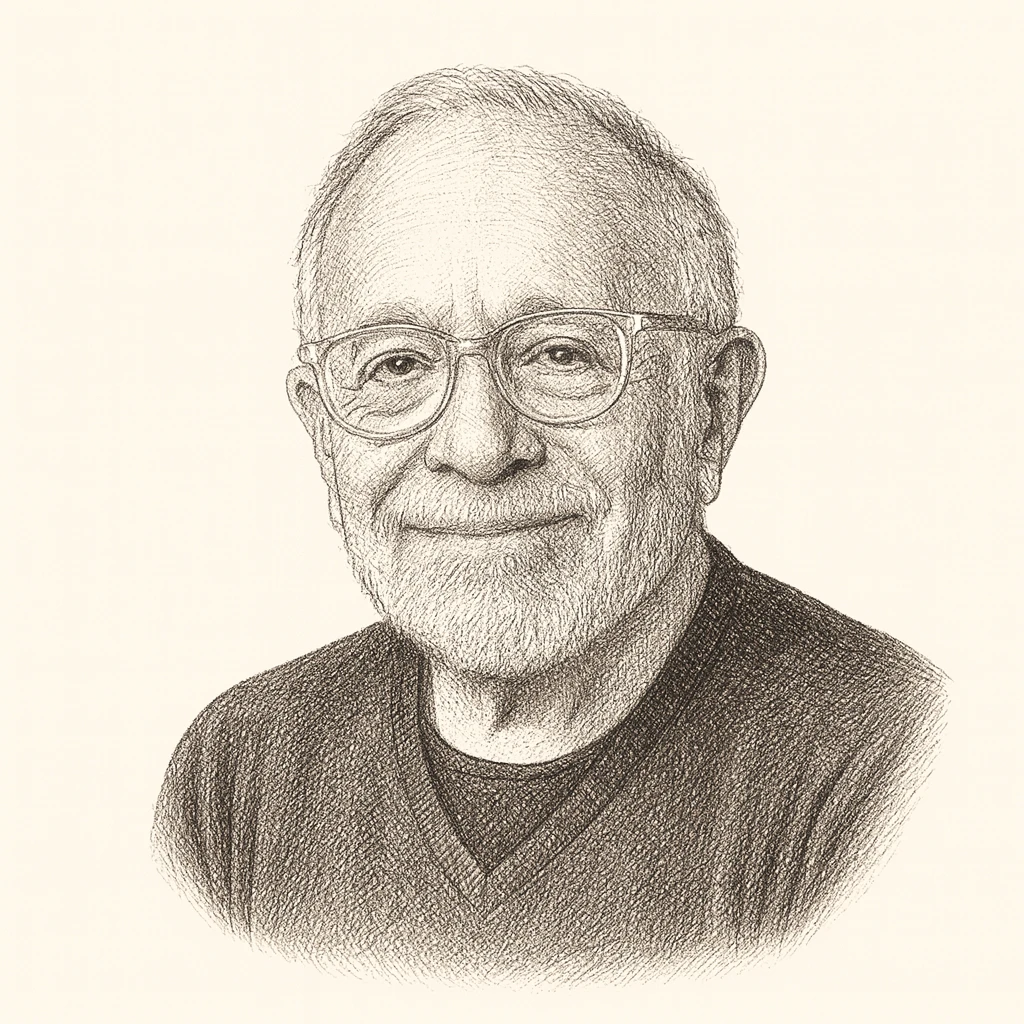
Robert Reich is an American economist, author, and academic best known for his sustained critique of economic inequality and concentrated economic power. Trained in law and political economy, he served as Secretary of Labor in the Clinton administration and later became a widely read public commentator through books, columns, films, and social media. His thought sits within a liberal-progressive tradition that treats a strong middle class as both the engine of economic growth and the foundation of a healthy democracy, and he has consistently argued that broadly shared prosperity is not a natural byproduct of markets but a product of deliberate policy.
A central theme in Reich's work is that markets do not exist in a vacuum but are constructed through rules—on property, contracts, corporate governance, and bankruptcy—that reflect the balance of political power. From this premise he argues that rising inequality is less a technological inevitability than the result of choices that have shifted bargaining power away from workers and toward corporations and the wealthy. He has emphasized the two-way traffic between economic and political power, contending that extreme concentrations of wealth translate into disproportionate political influence, which in turn entrenches the arrangements that produce further inequality—a feedback loop he sees as corrosive to democratic self-government.
Reich has also written influentially about globalization and the changing nature of work, examining how the fortunes of workers depend increasingly on their skills and their integration into a global economy, and how national economic policy must adapt accordingly. Over his career he has pressed for stronger labor protections, investment in education and public goods, a more progressive tax system, and reforms to curb the political power of large corporations. His accessible style—through popular books and documentary work—has made him one of the most visible communicators of progressive economic ideas to a general audience, shaping how many Americans understand debates over wages, inequality, and corporate power.
While admirers credit him with clarifying the political stakes of economic policy, critics from the right dispute his emphasis on redistribution and regulation, and some on the left have at times regarded his positions as insufficiently radical. Regardless, Reich occupies a durable place as a bridge between academic economics, government experience, and public political argument.
Robert Reich is associated with Progressive Activist. See the archetype