
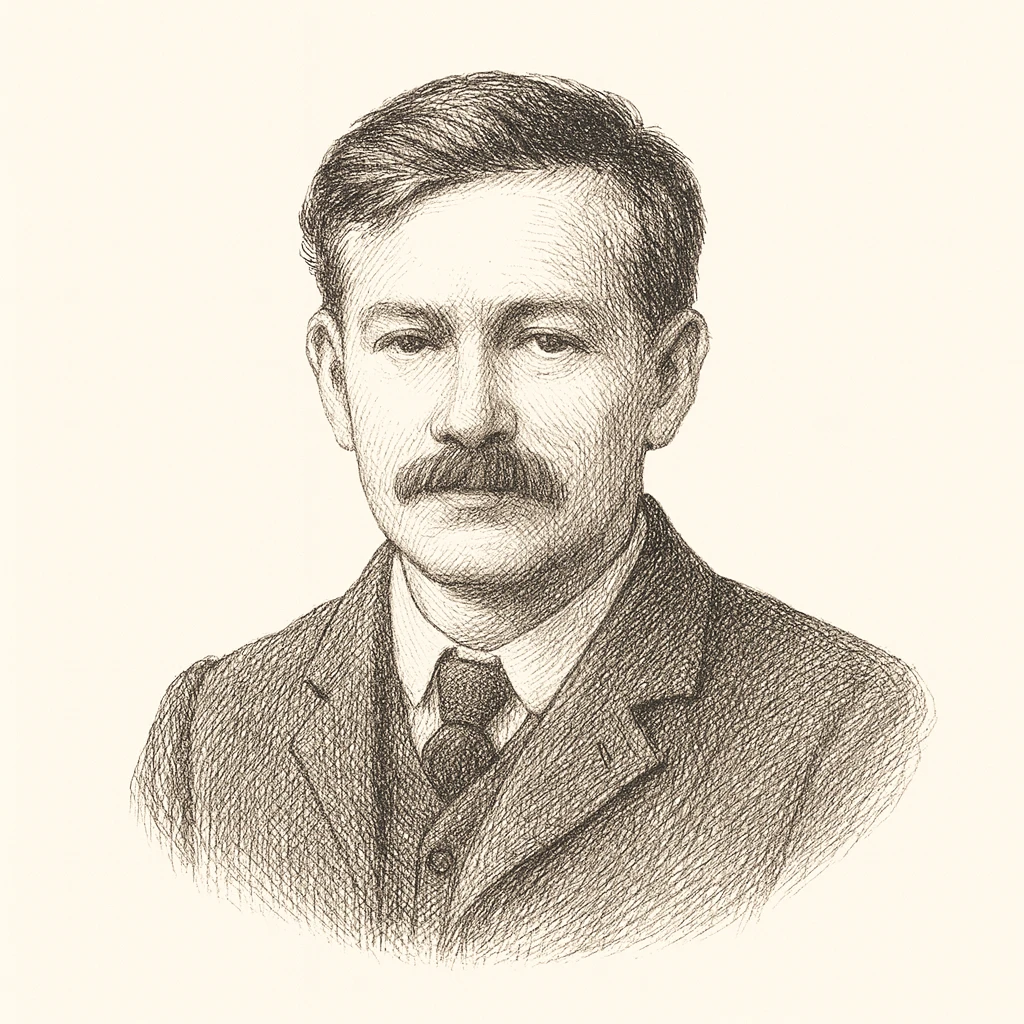
Richard Henry Tawney was British socialism's historian and its conscience. Born in Calcutta in 1880 and educated at Rugby and Balliol College, Oxford, he found his vocation not in the university but in the Workers' Educational Association, teaching its first tutorial classes to potters and weavers in Longton and Rochdale from 1908. He served in the ranks in the First World War, refusing a commission, and was badly wounded on the first day of the Somme. For most of his career he taught economic history at the London School of Economics.
His three great books make one argument. The Acquisitive Society (1921) charged that industrial capitalism had organized England around the acquisition of wealth rather than the performance of function, detaching rights from service. Religion and the Rise of Capitalism (1926) supplied the history, tracing how Christian ethics surrendered economic life to its own separate rules between the Reformation and the eighteenth century. Equality (1931) made the constructive case: a decent society requires a common culture in which every member can stand with dignity — secured by public provision in health and education, not by leveling every income.
Tawney's socialism was ethical before it was technical, Anglican in root and democratic in temper. He sat on the Sankey Commission on the coal mines in 1919, drafted Labour Party policy statements between the wars, and declined the honors offered him, a peerage included. By his death in 1962 he had shaped the moral vocabulary of the British left as deeply as any theorist of his century; Labour politicians from Attlee's generation onward argued in his terms, whether or not they had read him.
R.H. Tawney is associated with Trad Socialist. See the archetype