
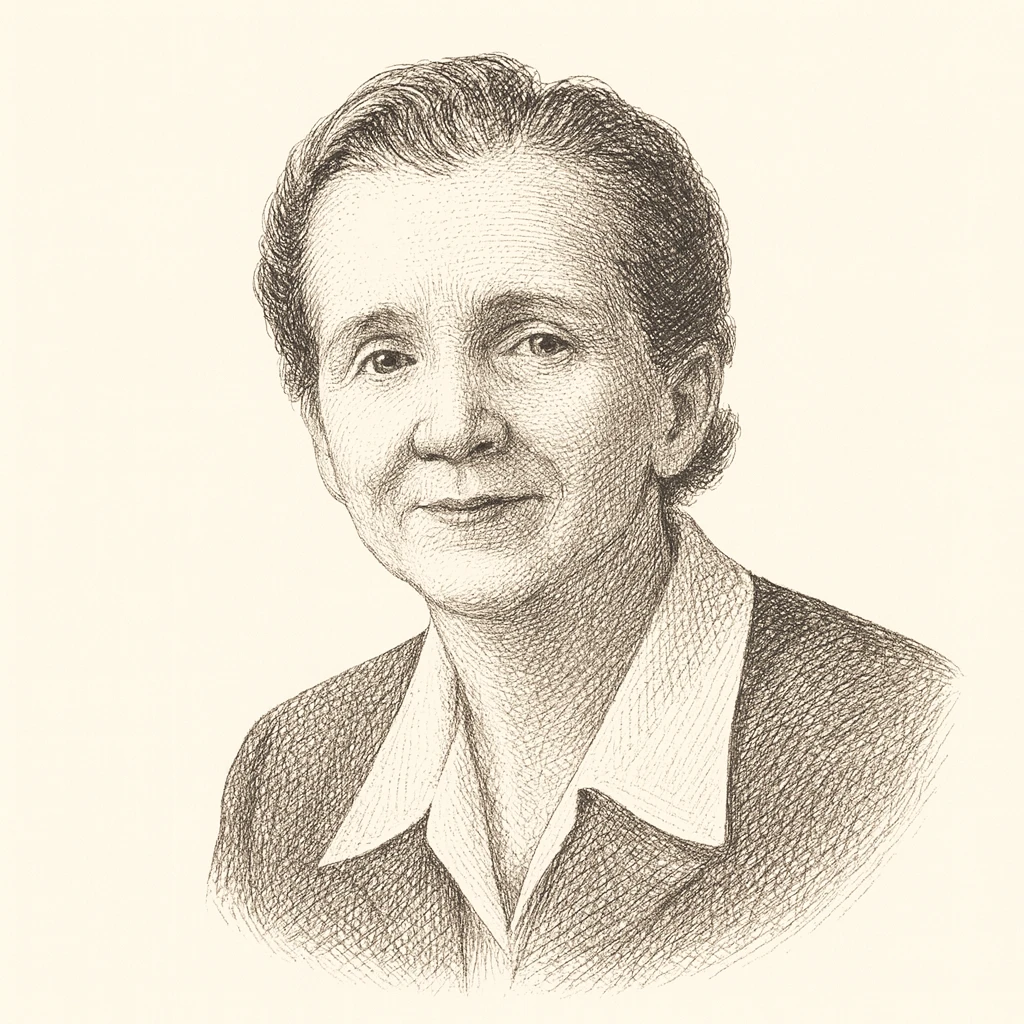
Rachel Carson trained as a marine biologist and spent much of her career as a scientist and editor with the U.S. Bureau of Fisheries and its successor, the Fish and Wildlife Service. She reached a wide public first as a lyrical writer about the sea, but her enduring political significance rests on Silent Spring (1962), a rigorously argued indictment of the indiscriminate use of synthetic pesticides, especially DDT. In it she assembled scientific evidence to show how chemicals sprayed to control insects moved through soil, water, and food chains, harming wildlife and ultimately threatening human health.
Carson's political thought lay less in partisan doctrine than in a reframing of the relationship between human industry and the natural world. She challenged the postwar faith that technological mastery over nature was inherently progress, arguing that citizens had a right to know about the hazards to which they were being exposed and that government and industry bore responsibility for the consequences of their chemicals. This insistence on public accountability, on the precautionary scrutiny of technology, and on ecological interconnection helped move environmental concern from a conservationist niche toward a broad political movement.
The book provoked fierce opposition from the chemical industry, which attacked both her conclusions and her credibility, sometimes on gendered terms. Carson, already ill with the cancer that would kill her in 1964, defended her findings before Congress and the public. Her work is widely credited with contributing to the eventual U.S. ban on agricultural DDT and to the political climate that produced the Environmental Protection Agency and landmark environmental legislation.
Carson's legacy is contested in later debates: the Competitive Enterprise Institute has argued that her campaign against DDT left millions vulnerable to malaria, a charge her defenders regard as overstated and detached from what she actually wrote, since she called for regulated rather than reckless use. Regardless, she is broadly recognized as a founder of the environmental movement, and her fusion of scientific evidence, moral argument, and public advocacy became a template for activism grounded in expertise.
Rachel Carson is associated with Progressive Activist. See the archetype