
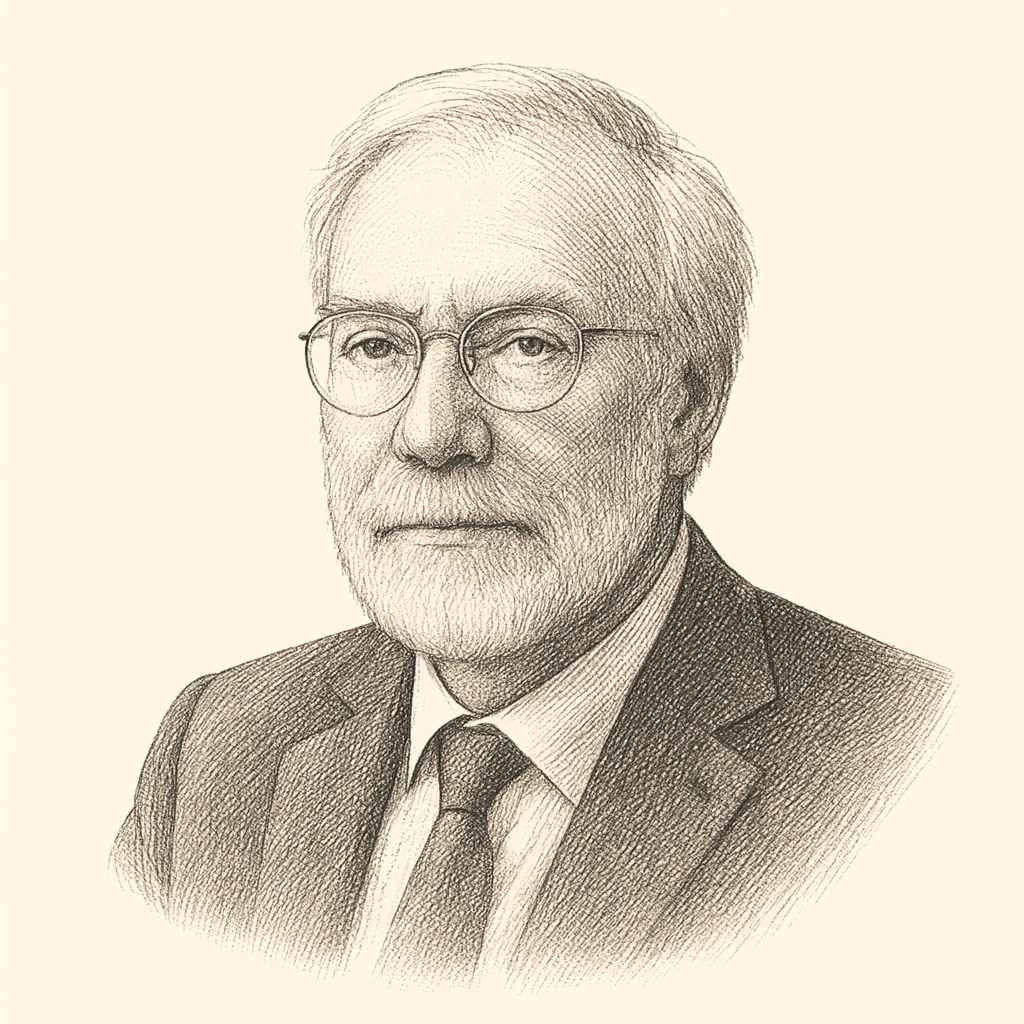
Paul Collier is a British development economist, long associated with the University of Oxford, whose work bridges rigorous empirical economics and broad arguments about the political and moral foundations of prosperity. He first gained wide influence for his research on the economics of poverty and conflict in the world's poorest societies, arguing that a distinct group of countries were caught in interlocking traps—of civil war, dependence on natural resources, landlocked geography, and bad governance—that conventional development thinking had failed to address. This work shifted debate about aid and intervention away from generalized appeals toward targeted attention to the specific structural conditions that keep the poorest populations stagnant, and it fed influential analyses of the economic drivers of civil war, often summarized in the contrast between greed and grievance as motives for conflict.
Collier is closely identified with the politics of migration, where he has argued that the pace and scale of immigration matter for the cohesion of receiving societies, and that the interests of migrants, host populations, and those left behind in poorer countries can pull in different directions. Rather than framing migration purely as a question of individual rights or economic efficiency, he treats it as a problem of managing trust, reciprocity, and mutual obligation within national communities. This has placed him in a distinctive position: sympathetic to the concerns of ordinary citizens about rapid change, while remaining committed to reducing global poverty, and willing to challenge both open-borders liberalism and reflexive restrictionism.
In his more recent work, Collier has extended these themes into a broader critique of modern capitalism, arguing that its rewards have become geographically and socially concentrated, hollowing out left-behind places and eroding the sense of shared belonging that sustains a functioning polity. He emphasizes ethical obligations, community, and a pragmatic, communitarian centrism over ideological abstraction, drawing on ideas of reciprocity and mutual duty to argue for a renewed social contract. His political thought thus sits at the intersection of economics, ethics, and communitarian concern for place and belonging, influencing policy debates about aid, immigration, regional inequality, and the responsibilities that citizens and states owe one another.
Paul Collier is associated with Welfare Nationalist. See the archetype