
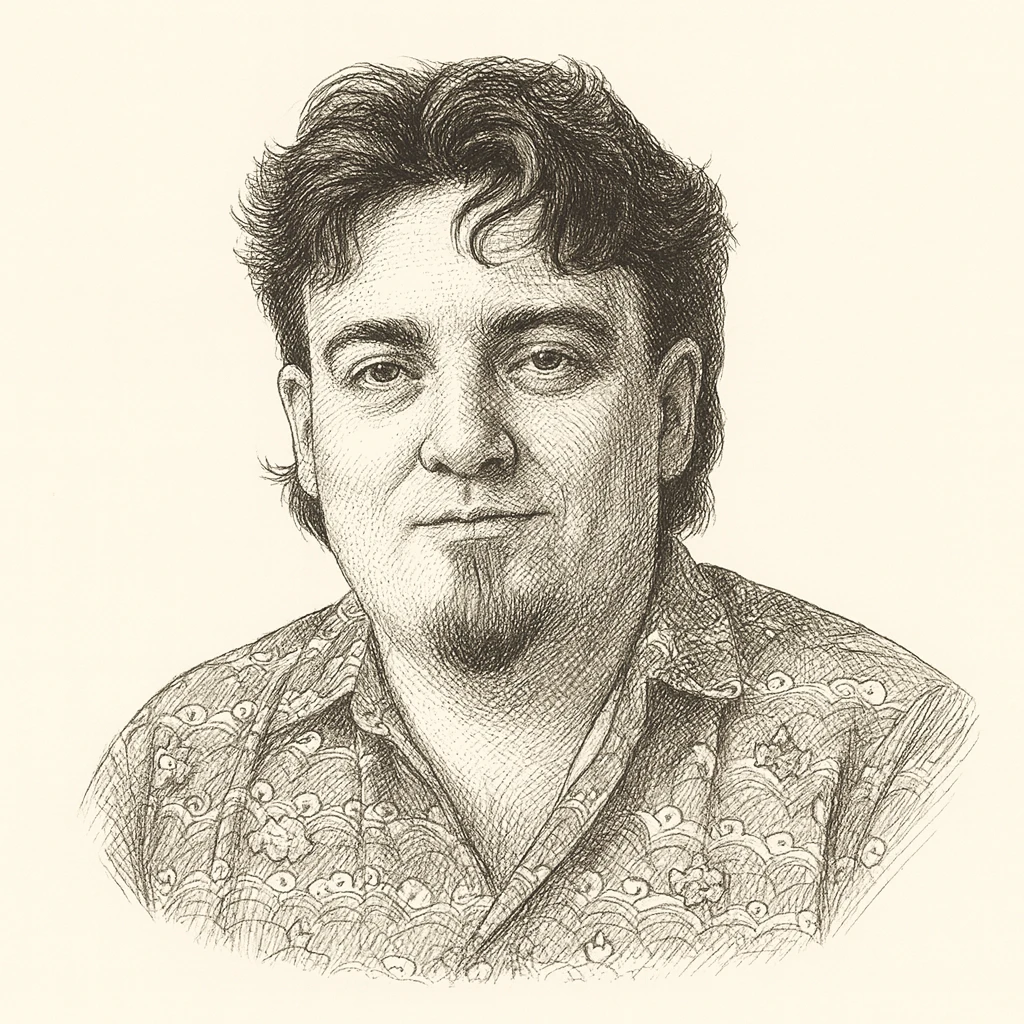
Palmer Luckey (born 1992) is an American technology entrepreneur best known for founding Oculus VR, which he sold to Facebook, and later Anduril Industries, a defense technology company. While he is not a systematic political theorist, he has become an influential voice in a distinct strand of contemporary American political discourse that seeks to reconcile Silicon Valley's engineering culture with hawkish national-security priorities. His prominence rests less on formal writing than on his public advocacy, business ventures, and role as a symbol of a rising techno-nationalist tendency on the American right.
Luckey's central political argument is that the United States and its allies face serious military competition, especially from China, and that private technology firms should embrace rather than shun defense work. He has criticized what he portrays as a culture within parts of the tech industry that treats collaboration with the military as morally suspect, arguing instead that deterrence and Western security depend on the most advanced companies building weapons and autonomous systems. This positions him within a broader tradition of hawkish realism and "peace through strength" thinking, updated for an age of software, artificial intelligence, and drones. He frames technological superiority as a prerequisite for both national survival and the preservation of a favorable global order.
He is also associated with a populist, anti-establishment sensibility common among a cohort of tech figures who have moved toward conservative and Republican politics. Luckey became notable relatively early as a young Trump supporter within an industry then largely aligned with Democrats, and his willingness to court controversy made him an emblem of the political realignment of parts of the tech sector. His influence is felt in debates over the proper relationship between government, capital, and innovation, and over whether defense procurement should be opened to nimble startups rather than dominated by legacy contractors.
Luckey matters politically as a representative and catalyst of techno-nationalism: the idea that American technological dynamism, harnessed to state power, is essential to winning great-power competition. His arguments have helped legitimize defense entrepreneurship as a patriotic vocation and have contributed to a shift in how many in Silicon Valley think about the ethics of building for the military.
Palmer Luckey is associated with Techno-Authoritarian. See the archetype