
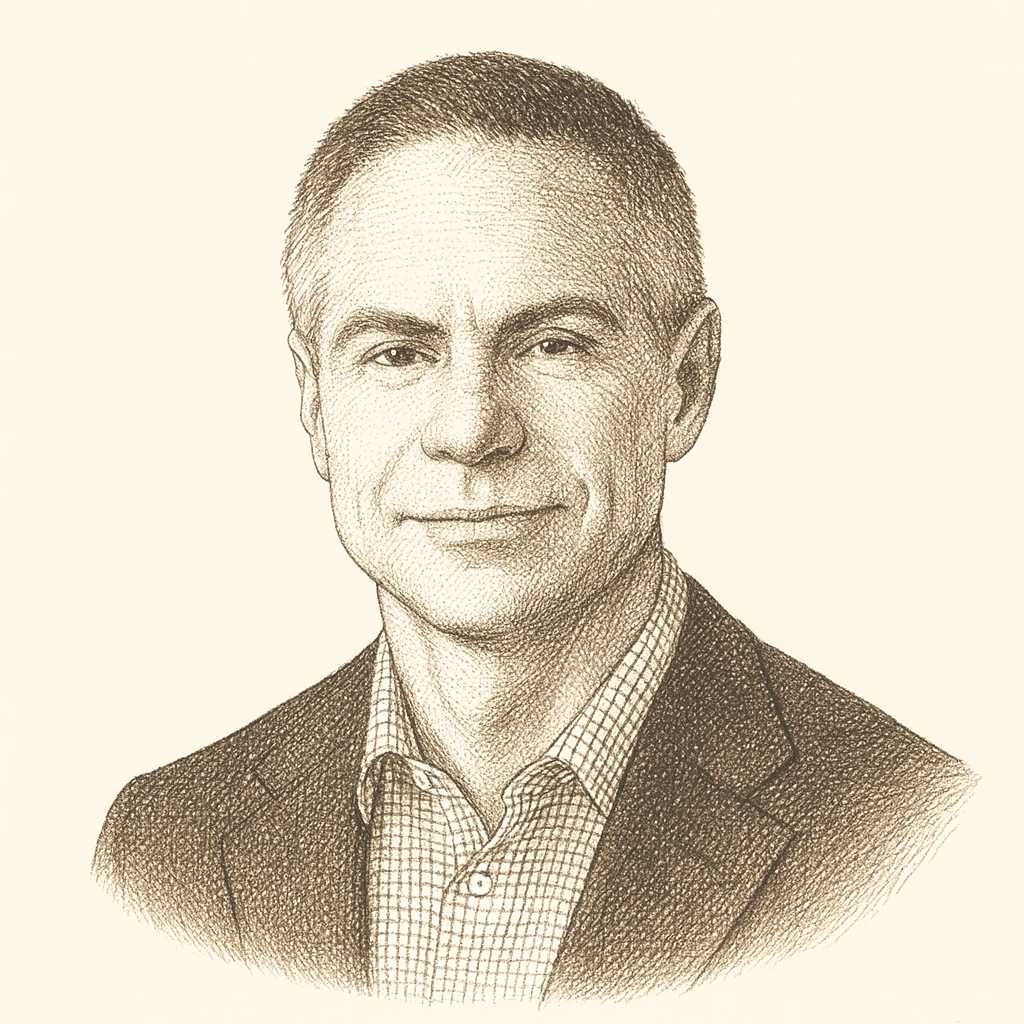
Michael Shellenberger is an American writer and commentator best known for challenging mainstream environmentalism from within its own ranks. Beginning as a self-described progressive activist, he became a leading voice of "ecomodernism," a strand of environmental thought arguing that technology, economic growth, and human ingenuity — rather than degrowth or austerity — offer the surest path to protecting nature. Central to his argument is a defense of nuclear power as an essential, low-carbon energy source, and a critique of what he sees as the environmental movement's reflexive opposition to it. This positioned him as a persistent heterodox figure in climate debates, praised by some as a needed contrarian and criticized by others as overstating his case.
His book Apocalypse Never crystallized this outlook, contending that alarmist framings of climate change and ecological collapse are both scientifically overstated and politically counterproductive. Shellenberger argues that catastrophism breeds fatalism and bad policy, and that prosperity and reliable energy — including for poorer nations — should be understood as environmental goods rather than threats. The book drew sharp rebuttals from many climate scientists and commentators who accused him of cherry-picking evidence and downplaying genuine risks, making it a flashpoint in wider arguments over how to communicate climate science.
Over time Shellenberger's public identity shifted from energy-focused heterodoxy toward broader cultural and political commentary. He has written on homelessness, addiction, and urban policy, criticizing what he characterizes as failed progressive governance, and has become associated with critiques of media institutions and claims of censorship, positions that placed him increasingly on the political right despite his earlier progressive roots. That trajectory is read two ways: as a drift into culture-war advocacy, or as consistency in his willingness to break with prevailing consensus.
His political significance lies less in a systematic theory than in a stance: the insistence that dissent from environmental and progressive orthodoxy is legitimate and necessary. He embodies the figure of the movement insider turned skeptic, and his work has shaped how debates about energy, climate risk, and expert authority are conducted, even among those who reject his conclusions.
Michael Shellenberger is associated with Independent Localist. See the archetype