
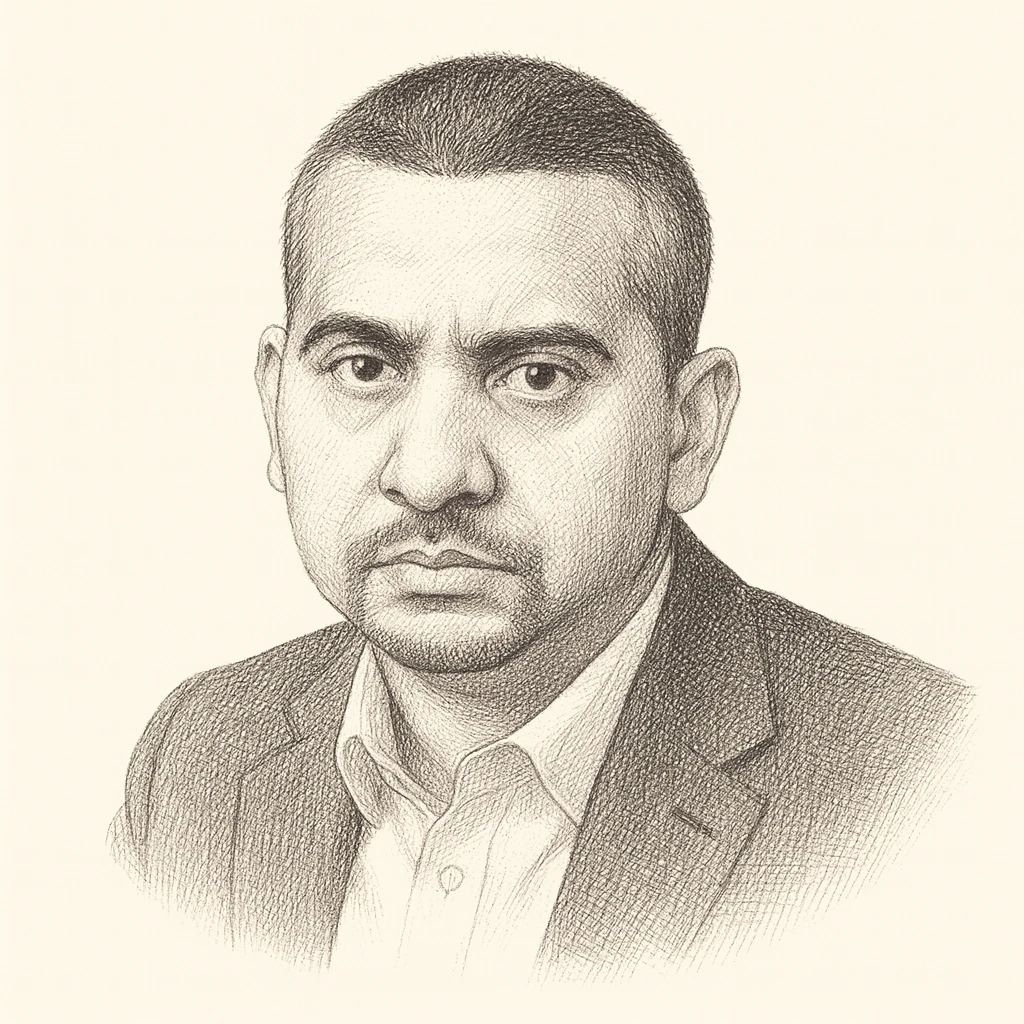
Mehdi Hasan is a British-American journalist, broadcaster, and political commentator known for a confrontational interviewing style and an outspoken progressive, left-liberal politics. Born in Britain to parents of Indian Muslim heritage, he built his career across British and American media, working with outlets including the New Statesman, Al Jazeera English, The Intercept, and MSNBC, before founding the independent media company Zeteo. Across these platforms he has cultivated a reputation as a debater who prepares meticulously and presses public figures on inconsistencies, treating the interview itself as a form of political argument rather than neutral inquiry.
Hasan's political thought sits within a broadly progressive tradition that combines social-democratic economics, civil-libertarian concern with state power, and a strong emphasis on the rights and representation of Muslims, immigrants, and other minorities in Western societies. He is a persistent critic of Western foreign policy, particularly military intervention and support for regimes he views as violating human rights, and he has been a prominent voice in debates over the Israeli-Palestinian conflict, generally advocating for Palestinian rights and criticizing what he characterizes as Western complicity. He frequently frames these positions against what he sees as a media establishment that normalizes power and marginalizes dissenting perspectives.
A recurring theme in Hasan's work is the argument that journalists should not mistake false balance for objectivity, and that holding the powerful accountable requires taking clear moral and factual stances. He has written and spoken extensively about rhetoric, persuasion, and the craft of argument, positioning effective debate as a democratic tool for challenging misinformation and demagoguery. His critiques of right-wing populism, and of figures he regards as authoritarian, form a consistent thread, as does his defense of pluralism and minority inclusion in liberal democracies.
Hasan's influence lies less in a systematic body of theory than in his role as a model of adversarial, advocacy-driven journalism for a digital and polarized media age. By moving from legacy broadcasters to an independent, subscriber-supported venture, he also embodies a broader shift among commentators toward building direct audiences outside traditional institutions. Supporters see him as giving voice to underrepresented perspectives and demanding accountability from elites; the objection to his approach is that it blurs the line between reporting and activism. Either way, he has become a notable figure in ongoing arguments about the proper role of the press in contemporary politics.
Mehdi Hasan is associated with Progressive Activist. See the archetype