
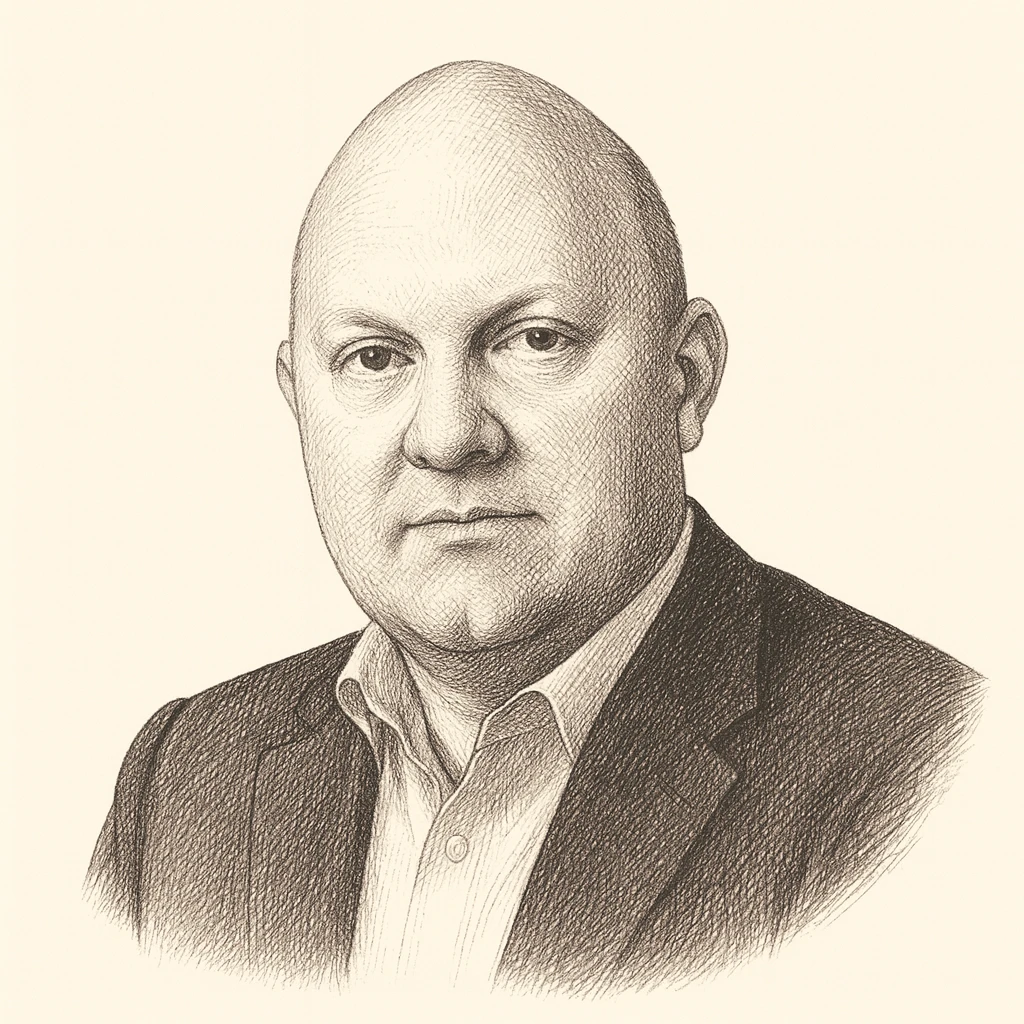
Marc Andreessen (born 1971) co-created Mosaic, the browser that opened the web to the public, co-founded Netscape at twenty-two, and in 2009 launched the venture firm Andreessen Horowitz (a16z) with Ben Horowitz. His 2011 essay "Why Software Is Eating the World" supplied the industry's self-understanding for a decade, and a16z grew into something more than a fund: a media operation, a talent network, and increasingly an ideological institution with a program for how technology should relate to the state.
That program surfaced in "It's Time to Build" (2020), a pandemic-era indictment of American incapacity in housing, infrastructure, and manufacturing, and hardened into doctrine with "The Techno-Optimist Manifesto" (2023): a deliberately maximalist credo holding that technology is the engine of human flourishing, that markets are the most effective discovery machine ever built, that energy should be abundant, and that growth is a moral imperative. The manifesto's most quoted section is its list of "enemies" — not people but ideas: stagnation, degrowth, ESG, "trust and safety," tech ethics, central planning.
His politics moved with the doctrine. A former Democratic donor, Andreessen endorsed Donald Trump in 2024, citing regulatory hostility to crypto and AI as the breaking point, and articulated a "Little Tech" agenda framing startups as victims of regulatory capture by incumbents and the administrative state. Through its "American Dynamism" practice, a16z pushed venture capital into defense, manufacturing, and aerospace — sectors it once avoided — making the firm an anchor institution of the emerging tech right.
Critics read all of it as oligarchic self-interest dressed as futurism — deregulation for the portfolio, framed as civilizational duty — and note the manifesto's casual dismissal of the harms technologists impose on others. Admirers read it as the overdue return of a growth politics no party was offering. Either way, Andreessen did something few investors have: he wrote the reference document for a political movement and then funded the movement.
Marc Andreessen is associated with Techno-Authoritarian. See the archetype