
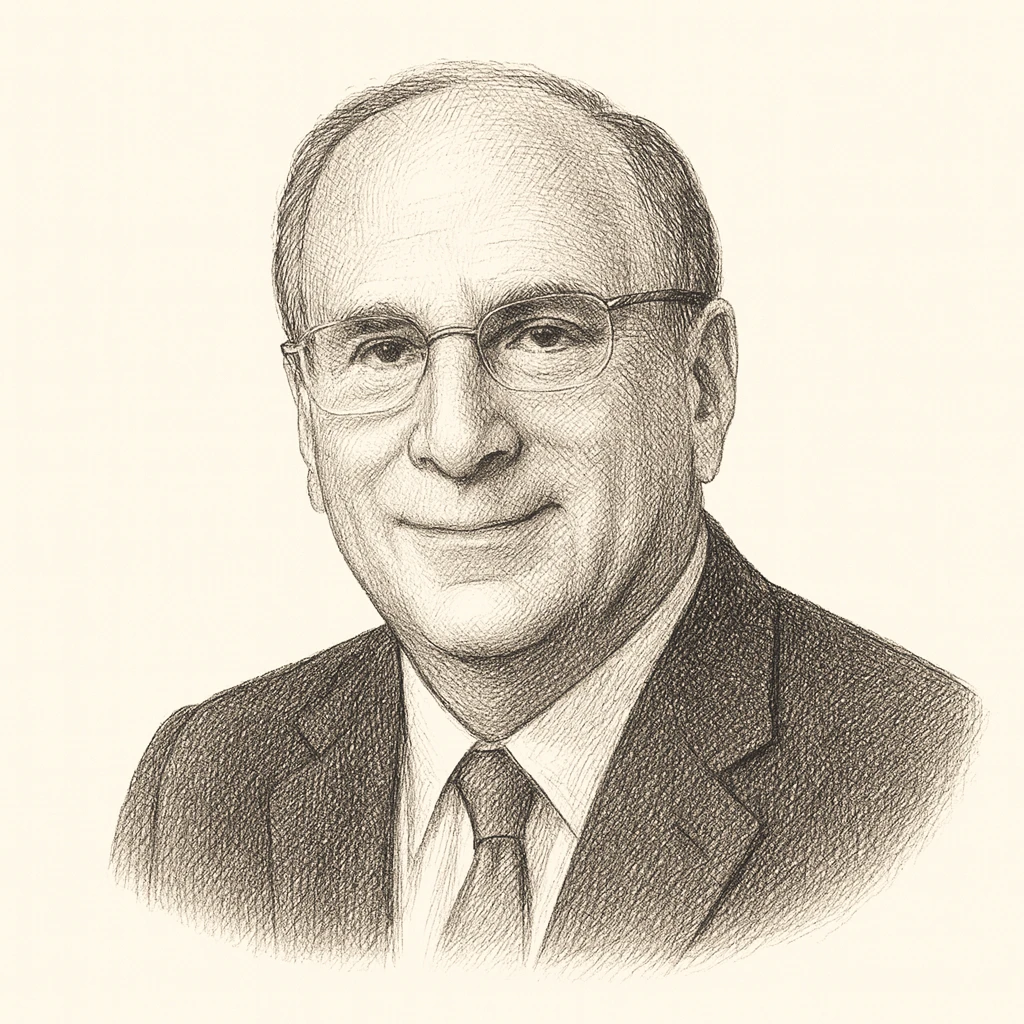
Larry Fink is best known as the co-founder and chief executive of BlackRock, the world's largest asset manager, whose scale gives it enormous influence over the shares of publicly traded companies. His political significance lies less in any systematic ideology than in his articulation of a particular vision of the corporation's role in society. Through his widely circulated annual letters to chief executives, Fink argued that firms should attend to their long-term social and environmental impact, embrace a sense of "purpose" beyond quarterly profits, and account for risks such as climate change in their strategy. These arguments made him a prominent public voice for what came to be called stakeholder capitalism and, more specifically, for environmental, social, and governance (ESG) investing.
Fink's thinking drew on a broadly centrist, managerial tradition that holds capitalism and social responsibility to be compatible—that markets, properly steered by long-term thinking and disclosure, can address collective problems without heavy state intervention. In this framing, large investors act as stewards, using their ownership stakes and voting power to nudge companies toward more sustainable and accountable conduct. Critics on the left countered that a firm managing trillions in assets was ill-suited to be a guardian of the public interest and that ESG amounted to reputational marketing without teeth. This positioned Fink within longstanding debates about corporate power, fiduciary duty, and whether shareholders or a wider set of stakeholders should define a company's obligations.
By the early 2020s Fink had become a focal point in a sharp political backlash. Conservative politicians and commentators cast ESG as "woke capitalism," accusing large asset managers of imposing progressive priorities on companies and pension funds; several U.S. states moved to divest from or restrict business with BlackRock. Facing pressure from multiple directions, Fink publicly stepped back from the ESG label, saying the term had become too politicized, while maintaining that climate and long-term risk remained legitimate investment concerns. This trajectory made him an emblematic figure in the broader argument over the proper boundary between finance, corporate governance, and politics.
Fink's lasting influence is thus paradoxical. He helped move questions of corporate purpose and sustainability from the margins into boardrooms and mainstream political discourse, yet in doing so he crystallized a conservative reaction against the perceived political role of large financial institutions. He remains a reference point for anyone examining how concentrated economic power intersects with democratic accountability.
Larry Fink is associated with Establishment Progressive. See the archetype