
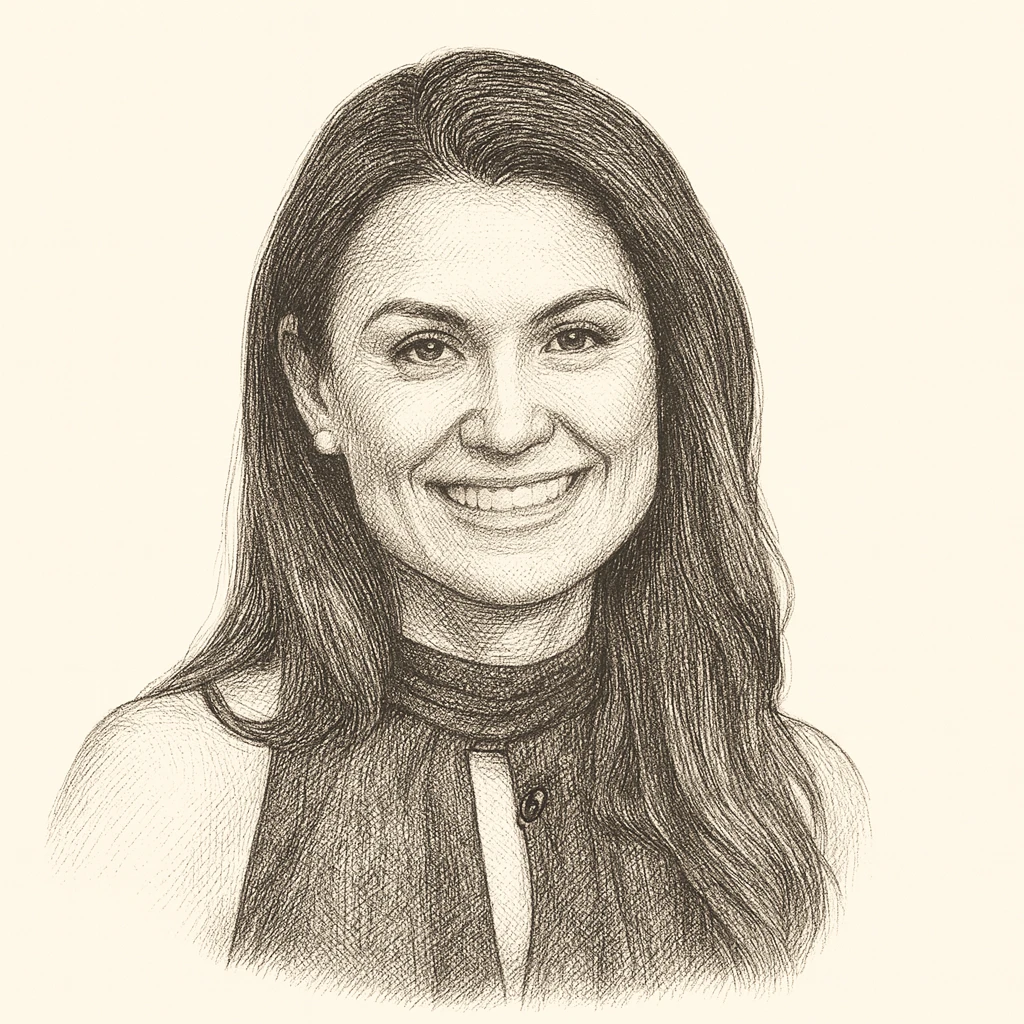
Krystal Ball is an American political commentator best known as a co-host of the independent news show Breaking Points, which she launched with Saagar Enjeti after both left mainstream cable programming. Before that, she was a co-host of MSNBC programming and earlier ran for Congress in Virginia as a Democrat. Over time her public identity shifted from conventional partisan Democrat to an outspoken advocate of what she frames as economic populism—a politics organized around working-class material interests rather than the cultural and managerial priorities she associates with establishment liberalism.
Her political thought centers on a critique of concentrated economic power and the influence of corporate money on both major parties. She has been a prominent media supporter of Bernie Sanders and the broader progressive movement, emphasizing issues such as universal healthcare, higher wages, labor organizing, and skepticism of free-trade orthodoxy and financial deregulation. A recurring theme in her commentary is that the Democratic Party has drifted toward affluent, college-educated constituencies while losing credibility with working-class voters, and that this realignment helps explain the appeal of right-wing populism. She argues that genuine populism should be judged by whether it materially improves the lives of ordinary workers.
The Breaking Points format, and Ball's role within it, reflects a distinctive intellectual posture: pairing a left-populist host with a right-populist counterpart to model cross-ideological dialogue rooted in shared anti-establishment premises. This approach positions her within a wider current of commentators who argue that the most meaningful political divide is not left versus right but populist versus establishment, or ordinary citizens versus entrenched elites. She has also been a critic of interventionist foreign policy and of what she describes as a bipartisan Washington consensus insulated from public accountability.
As a media figure rather than a systematic theorist, Ball's influence lies primarily in popularizing economic-populist arguments for a large online audience and in helping normalize the idea of independent, subscriber-supported political media as an alternative to corporate cable news. Her work is often cited in debates about class realignment, the future of the Democratic coalition, and whether populist economics can transcend the partisan spectrum.
Krystal Ball is associated with Left Nationalist. See the archetype