
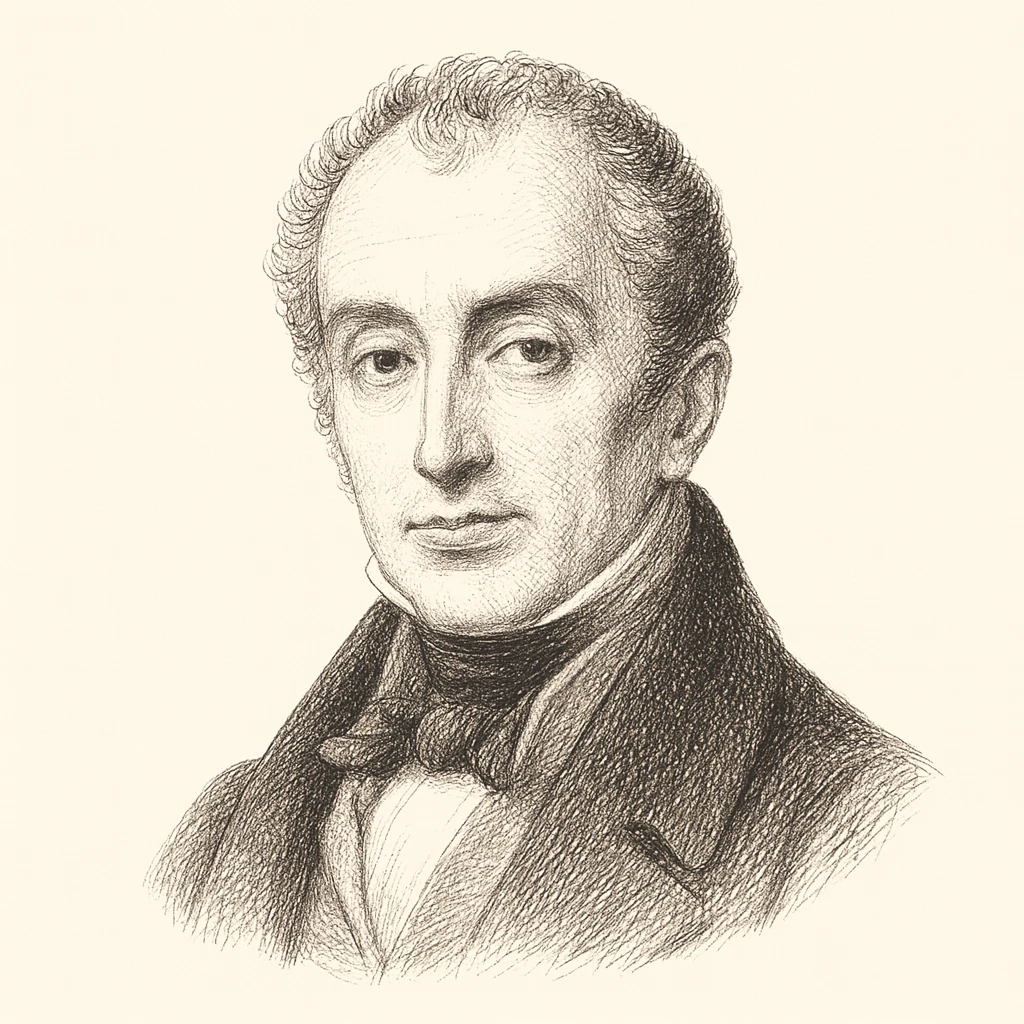
Klemens von Metternich served as the Austrian Empire's foreign minister and later chancellor during the decades following the French Revolution and Napoleonic Wars, and his name became synonymous with the conservative reconstruction of Europe. As the leading figure at the Congress of Vienna, he helped design a settlement premised on legitimacy, balance of power, and the restoration of established monarchies. The system that grew out of it—often called the Concert of Europe—rested on his conviction that stability among the great powers, not popular sovereignty, was the surest guarantor of peace.
Metternich's political thought was rooted in a deep hostility to revolution and the liberal and nationalist movements he believed it unleashed. He regarded ideas of popular self-determination as solvents of the multinational Habsburg state and of monarchical authority generally, and he treated the containment of such ideas as a permanent task of statecraft. He favored coordinated intervention among conservative powers to suppress uprisings, and he presided over censorship, surveillance, and policing measures aimed at stifling liberal and national agitation across the German states and the Austrian domains. To admirers he was a master of equilibrium; to critics he was the architect of a reactionary police order that delayed reform and repressed dissent.
His approach fused a theory of order with practical diplomacy. He argued that legitimate authority derived from tradition and established institutions rather than from abstract rights, and that a concert of monarchs acting in concert could manage change and forestall upheaval. This made him a defining exponent of nineteenth-century conservatism as a governing practice, not merely a doctrine—a statecraft that prized restraint, hierarchy, and the careful maintenance of the status quo.
The system he built proved durable but not permanent: the revolutions that swept Europe in 1848 forced him from power and drove him into exile, an event widely read as the collapse of the order he embodied. Yet his influence on political thinking endured. Later realists cited his emphasis on balance of power and the management of great-power rivalry, while conservatives and their opponents alike invoked his name as shorthand for the deliberate defense of established order against democratic and national movements.
Klemens von Metternich is associated with Reactionary Strongman. See the archetype