
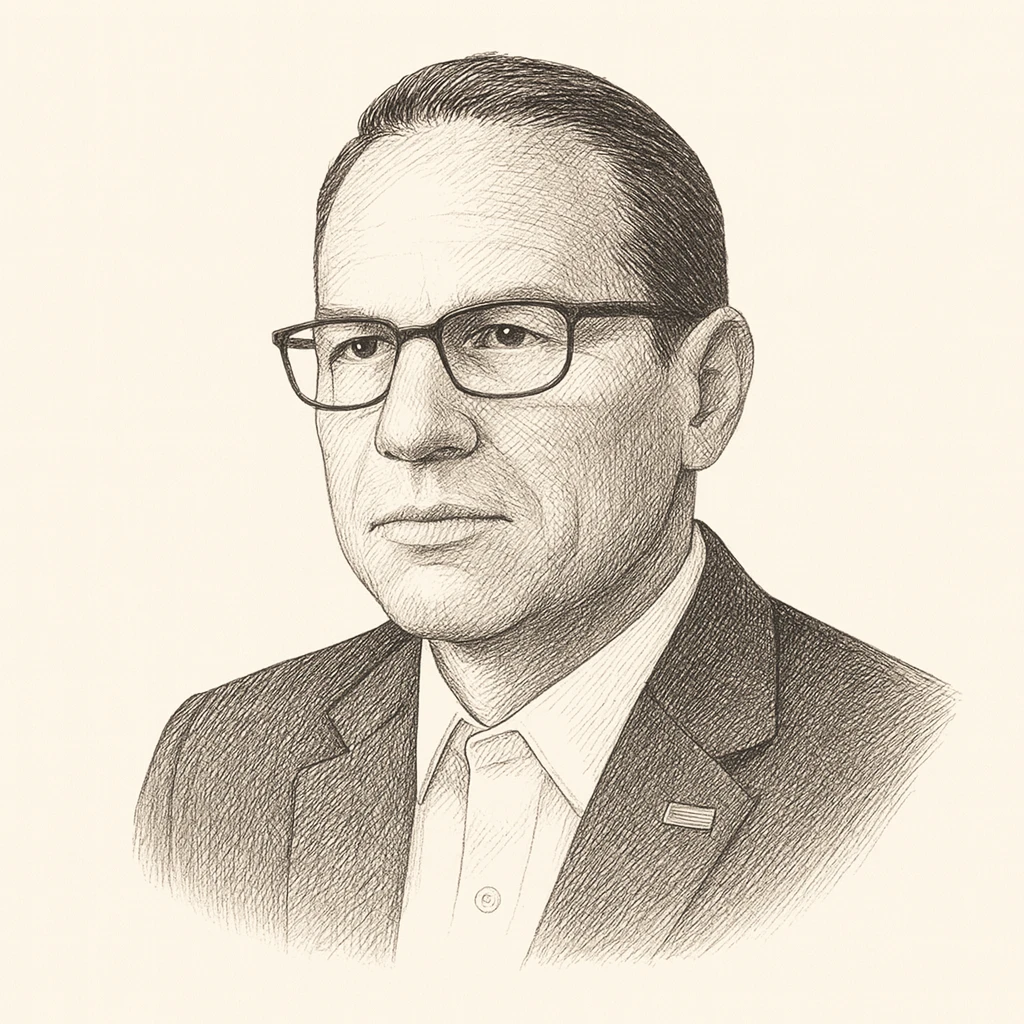
Josh Shapiro is an American Democratic politician whose political thought is defined less by a distinctive ideological doctrine than by a pragmatic, delivery-oriented approach to governance. Rising through Pennsylvania politics as a state legislator, county commissioner, and two-term attorney general before winning the governorship in 2022, Shapiro built a reputation for framing government around competence and tangible outcomes. He is frequently associated with an argument that Democrats can rebuild public trust by demonstrating that government can accomplish concrete things efficiently, a stance sometimes described in shorthand as an emphasis on getting things done.
As attorney general, Shapiro emphasized the rule of law and institutional accountability, drawing national attention for legal work confronting powerful institutions and for defending election processes against efforts to overturn results. This experience shaped a recurring theme in his rhetoric: the defense of democratic norms and the legitimacy of electoral outcomes. He has positioned himself as a figure willing to work across partisan lines while maintaining commitments associated with the Democratic mainstream, and this attempt to hold together progressive aspirations and moderate, coalition-minded governance is central to why he is seen as a potential model for the party's national future.
Shapiro's approach reflects a broader tradition within American politics that prizes executive pragmatism, bipartisan problem-solving, and appeals to shared values over ideological purity. He often grounds his political messaging in themes of faith, service, and a duty to leave things better than one found them, language that draws on his personal background and lends a moral register to an otherwise practical governing style. Governing a large, politically divided swing state, he has emphasized issues such as education, public safety, economic opportunity, and efficient public services as terrain where broad majorities can be assembled.
His political significance lies partly in the debate he embodies about the direction of the Democratic Party. Commentators frequently cite him as an example of how a Democrat might compete successfully in contested regions by combining populist economic appeals with cultural moderation and a focus on governance rather than culture-war conflict. Whether this synthesis represents a durable political philosophy or a personal governing style remains a matter of discussion, but it has made him a closely watched figure in conversations about how center-left politics can retain competitiveness in an era of polarization.
Josh Shapiro is associated with Moderate Liberal. See the archetype