
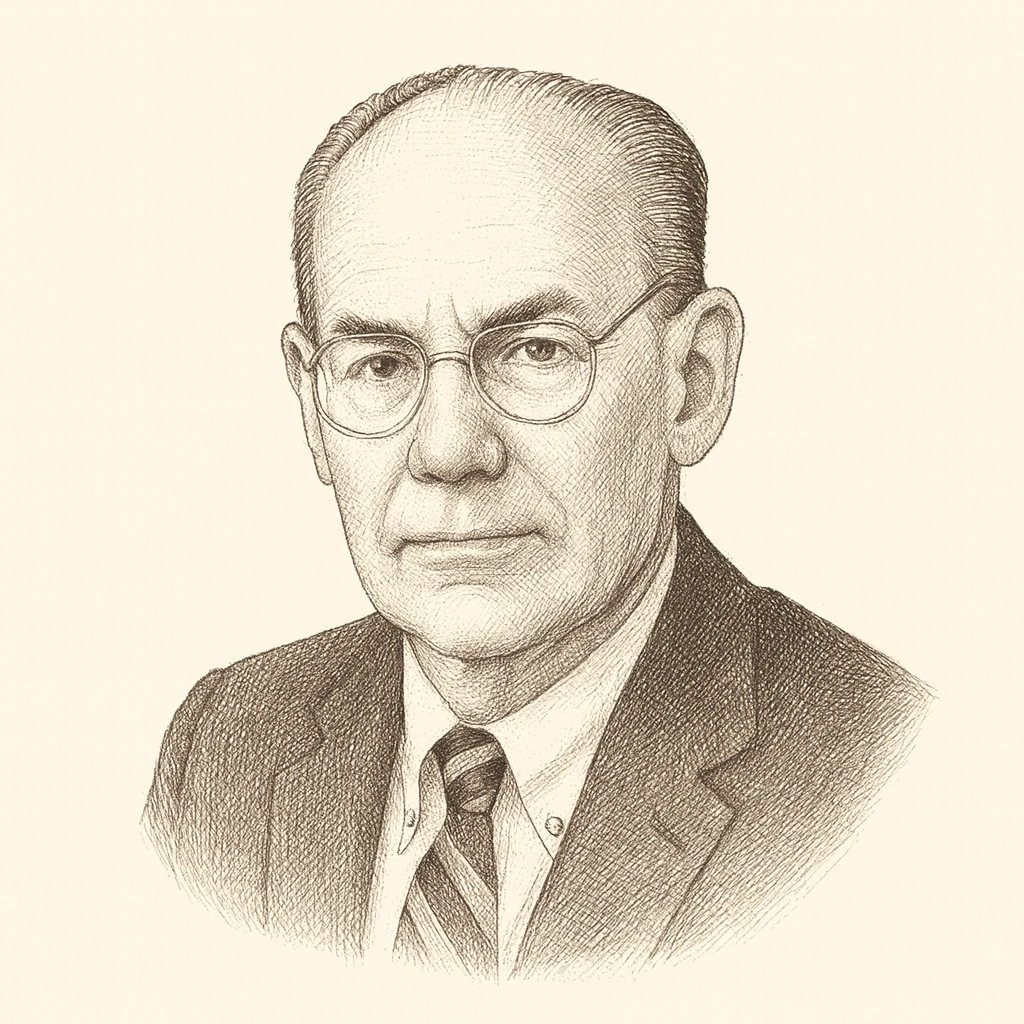
John Mearsheimer is among the most influential international relations theorists of the post–Cold War era, best known as the leading exponent of "offensive realism." A longtime professor at the University of Chicago, he built his framework on the premise that the international system has no overarching authority to protect states from one another. In that condition of anarchy, he argues, states can never be certain of others' intentions, so the rational course is to maximize relative power and strive toward regional hegemony. His major statement of this position, The Tragedy of Great Power Politics, presents such competition not as a moral failing but as a structural feature of world politics — a tragedy precisely because well-intentioned actors are still driven toward rivalry and conflict.
Mearsheimer's realism makes him a persistent critic of what he sees as idealistic or ideological foreign policy. He has argued that spreading liberal democracy by force, expanding alliances, and overextending military commitments invite backlash and instability. On these grounds he became a prominent skeptic of the Iraq War and a central voice in the debate over foreign-policy "restraint," contending that the United States should husband its power and avoid crusading abroad. His analysis of great-power behavior also led him to controversial readings of contemporary conflicts, including his view that Western policy toward Russia and NATO expansion helped provoke crisis in Ukraine — arguments that drew both serious engagement and sharp criticism.
His work has also courted controversy beyond strategy. With Stephen Walt he co-authored a widely debated study arguing that a domestic "Israel lobby" exerts outsized influence over American foreign policy, a claim that provoked intense dispute: Eliot A. Cohen wrote in The Washington Post that the paper was anti-Semitic, while defenders insisted it was a legitimate analysis of interest-group politics. Mearsheimer rejected the former charge.
Whatever the reaction to particular arguments, his intellectual project is consistent: a cold, systemic account of politics that treats power, security, and survival as the enduring drivers of state behavior. He has shaped how a generation of scholars, students, and policymakers reason about deterrence, alliances, and the limits of American ambition, offering a counterweight to both liberal internationalism and neoconservative interventionism.
John Mearsheimer is associated with Pragmatic Centrist. See the archetype