
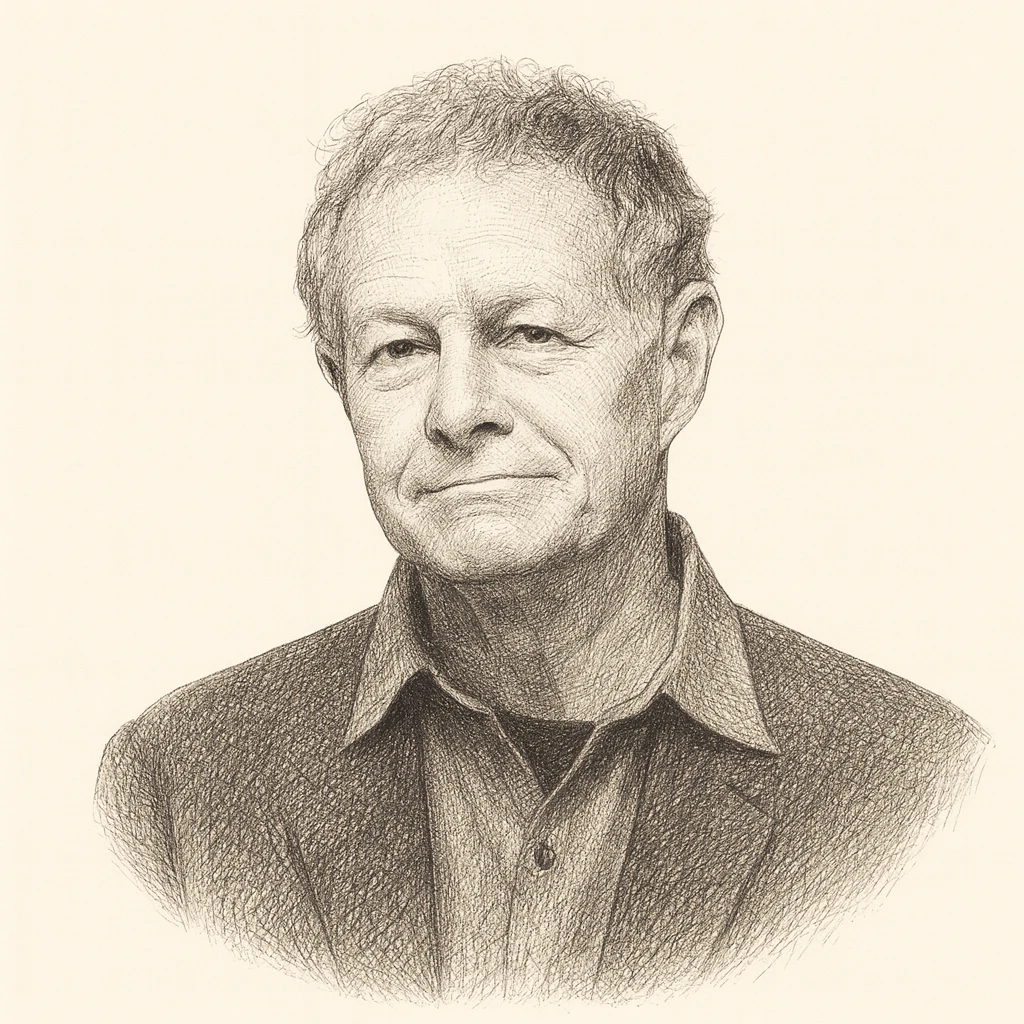
John Mackey is best known as the co-founder and longtime chief executive of Whole Foods Market, but his significance for political thought lies in his articulation of a distinctive pro-market philosophy that seeks to reconcile capitalism with ethical and communitarian aspirations. Describing himself as a libertarian, Mackey has argued that voluntary exchange, entrepreneurship, and free enterprise are not merely efficient but morally admirable engines of human flourishing. He has been a critic of heavy regulation and of what he regards as caricatures of business as inherently greedy, insisting instead that commerce, properly conceived, creates value for a broad range of participants.
His central contribution is the framework of "conscious capitalism," developed most fully in the book Conscious Capitalism, co-authored with the business scholar Raj Sisodia. The argument holds that firms should be guided by a higher purpose beyond profit maximization, should serve the interests of all stakeholders—customers, employees, suppliers, investors, and communities—and should be led by conscious leadership and a supportive culture. In this way Mackey positioned himself against both a narrow Friedmanite view that a corporation's sole responsibility is to its shareholders and against critics who see markets as fundamentally exploitative. He presents conscious capitalism as a defense of the free-market order on explicitly ethical grounds, contending that business is the greatest source of prosperity and social good in human history.
Mackey has also been a vocal participant in specific policy debates, most notably over health care, where he opposed the Affordable Care Act and argued for market-based, individually oriented reforms and greater personal responsibility for health and wellness. These interventions drew significant controversy and highlighted the tensions within his coalition of supporters, since much of Whole Foods' customer base leaned progressive. His stances made him a recurring figure in disputes about the proper relationship between corporate leadership and political advocacy.
Within the broader landscape of political ideas, Mackey occupies an unusual position as a businessman-intellectual who blends classical liberal and libertarian commitments with themes drawn from stakeholder theory, environmental concern, and a personal ethic influenced by vegetarianism and self-improvement traditions. His influence has been felt less in academic political theory than in the practical discourse of business ethics and corporate purpose, where "conscious capitalism" became an alternative vocabulary to both shareholder primacy and more state-centered visions of social responsibility.
John Mackey is associated with Compassionate Libertarian. See the archetype