
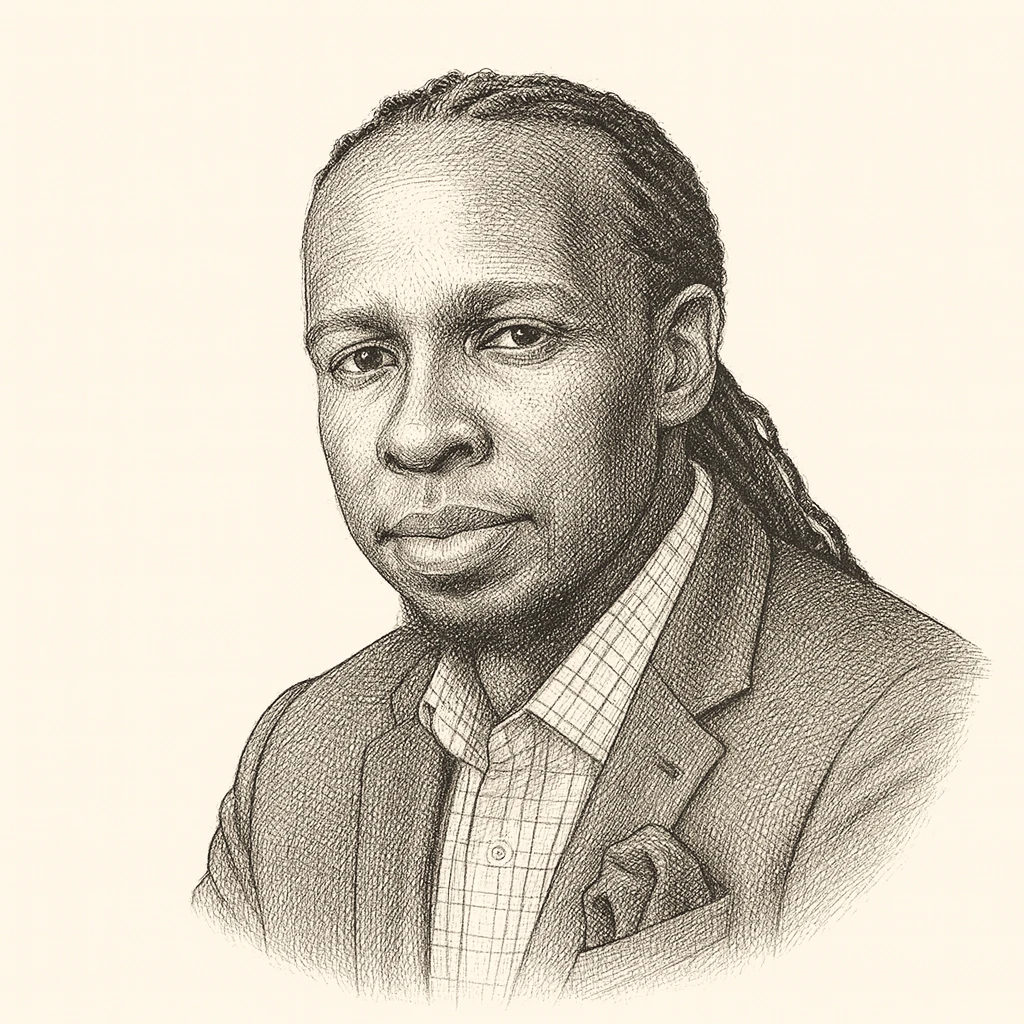
Ibram X. Kendi is an American historian whose work reoriented popular debate about race away from individual prejudice and toward the systems and policies that produce unequal outcomes. His central claim is that racial disparities stem not from deficiencies in any group but from what he calls racist policies, and that a policy or idea should be judged by whether it produces or reduces inequity between racial groups. On this view, there is no neutral or "not racist" position: a person, idea, or policy is either racist, in that it sustains inequity, or antiracist, in that it works to dismantle it.
Kendi's most influential book, How to Be an Antiracist, translated this framework into a widely read personal and civic argument, following an earlier scholarly history of racist ideas in the United States that traced how such ideas were repeatedly generated to justify discriminatory arrangements. A recurring move in his thought is to invert the usual causal story: rather than racist ideas producing discriminatory policy, he argues that self-interested policies came first and that racist ideas were manufactured afterward to rationalize them. This leads him to emphasize policy change over persuasion, and to argue that measuring outcomes, rather than intentions, is the proper test of whether something is antiracist.
Kendi founded a research center devoted to the study of racism and antiracism, and became one of the most cited voices in the surge of public attention to race that followed the racial-justice protests of the early 2020s. His work also draws sharp criticism. Skeptics on the left and right argue that his binary framing collapses complex questions into a stark either/or, that treating all group disparities as evidence of racist policy understates other causes, and that his proposals for aggressive antidiscrimination measures raise their own constitutional and practical concerns. Debates over his ideas have become a focal point in broader arguments about how institutions, schools, and workplaces should address race.
Whatever one makes of the disputes, Kendi's influence on political vocabulary is substantial. Terms and distinctions he popularized—the insistence that inaction is complicity, the focus on outcomes over intentions, and the framing of antiracism as active policy work—have shaped how a generation of activists, educators, and administrators talk about equity and structural inequality.
Ibram X. Kendi is associated with Progressive Activist. See the archetype