
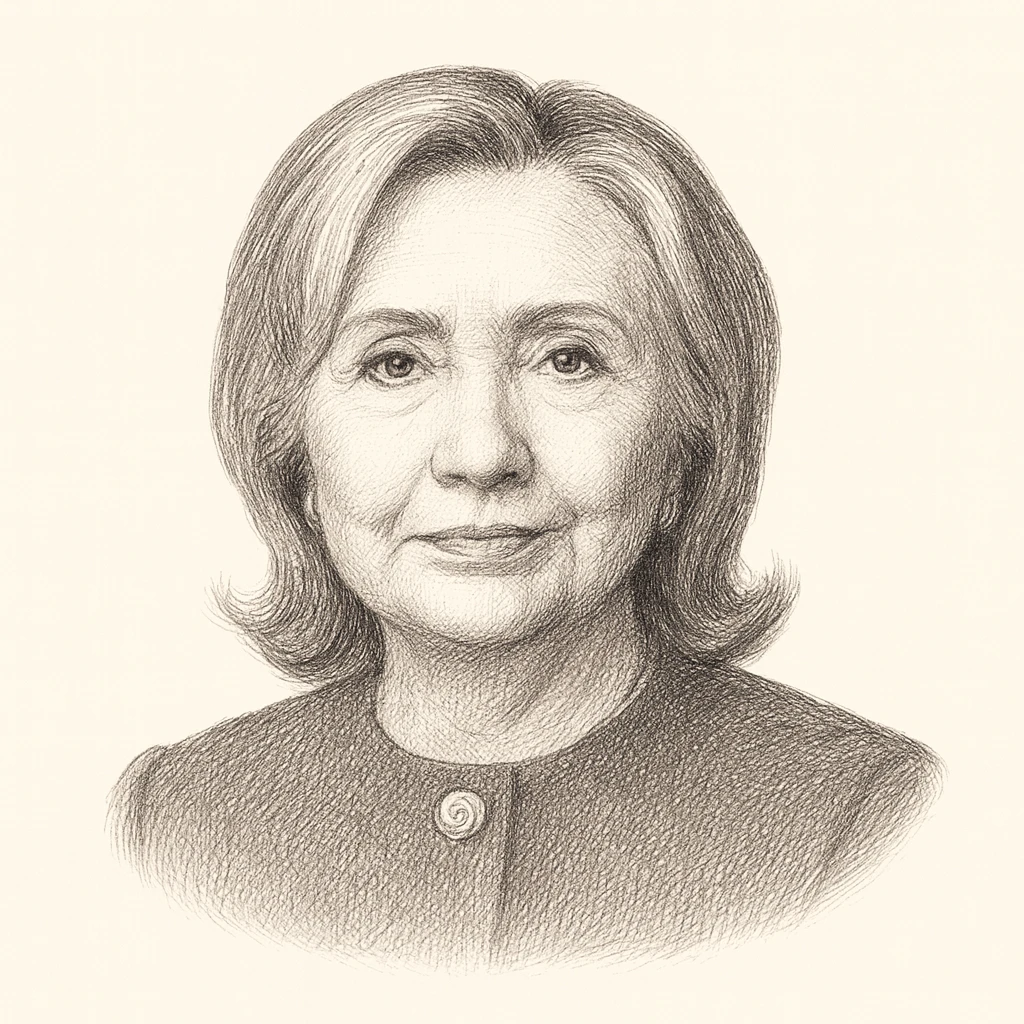
Hillary Clinton's political thought grew out of the postwar liberal tradition and its adaptation to the market-oriented politics of the 1990s. As First Lady she made her mark with an early, unsuccessful effort to build a universal health-care framework, an episode that shaped a lasting conviction that reform must be pursued incrementally through existing institutions rather than sweeping legislative gambits. Her outlook blended a belief in an active federal government—especially on children, families, and health—with an acceptance of the centrist, fiscally cautious consensus associated with the New Democrats of that era.
As a senator and later as Secretary of State, Clinton became closely identified with a muscular liberal internationalism. She argued that American power, exercised through alliances and multilateral institutions, could advance both national interests and liberal values such as human rights and, prominently, the rights of women and girls. Her framing of women's rights as human rights became a signature theme, tying a progressive social agenda to the machinery of diplomacy and development. Her foreign-policy record is contested: during the 2016 primary campaign, Bernie Sanders contrasted his vote against the Iraq War with hers for it and said she had backed regime change in Libya without worrying about what happened the day after.
Clinton's significance in the intellectual landscape lies less in original theory than in her embodiment of a governing disposition: pragmatic, technocratic, and confident in the competence of institutions and expertise. She is a prominent exponent of the view that durable change comes through coalition-building, policy detail, and working within the system rather than against it. This stance made her a lightning rod in the 2016 election, when she became the focal point of a fault line between establishment-oriented Democrats and an insurgent populist left, as well as a resurgent nationalist right.
That contest crystallized long-running debates about whether the technocratic, globally engaged liberalism she represents can command popular majorities, or whether its association with elite institutions and free-trade orthodoxy invites backlash. Whatever the verdict, Clinton remains a defining reference point for the strengths and vulnerabilities of establishment progressivism in the early twenty-first century.
Hillary Clinton is associated with Establishment Progressive. See the archetype