
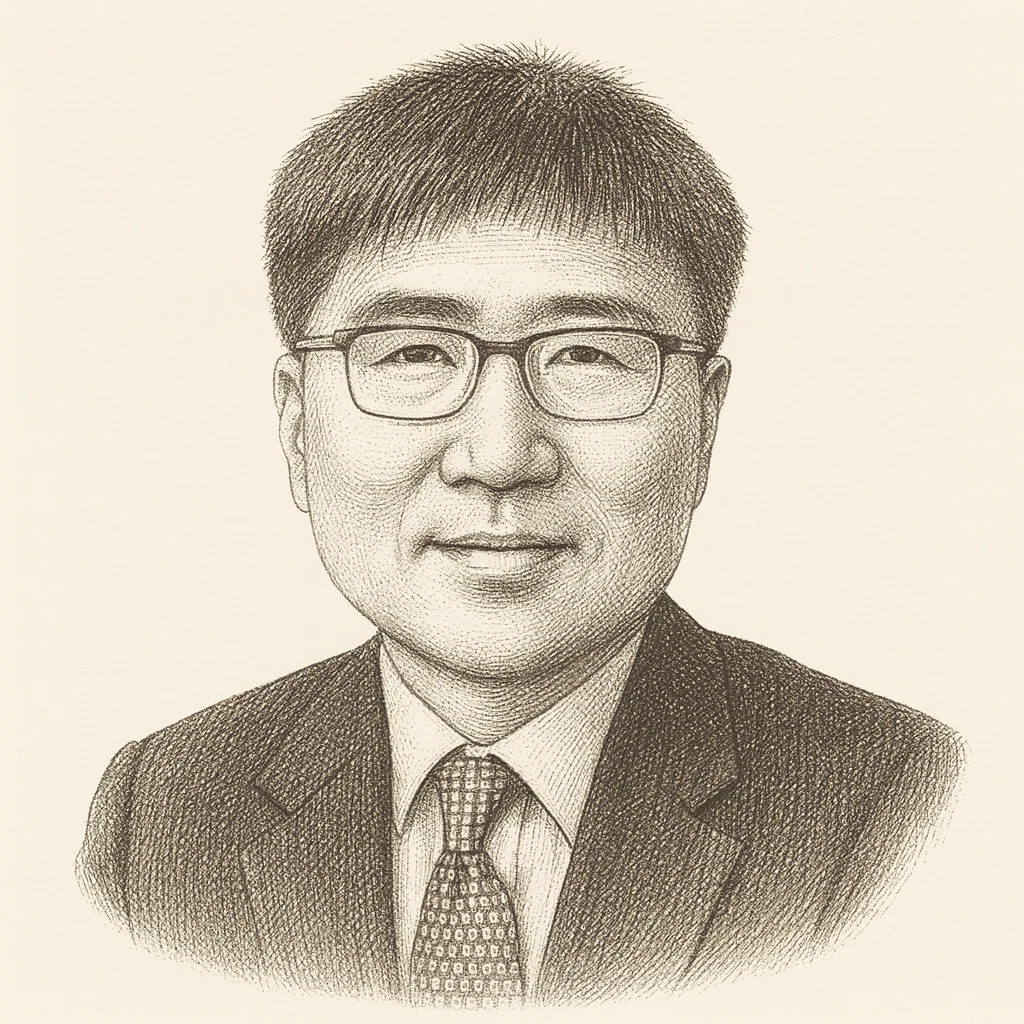
Ha-Joon Chang is a South Korean-born economist based for most of his career at the University of Cambridge, and one of the most prominent contemporary critics of free-market orthodoxy and the neoliberal consensus that shaped globalization from the 1980s onward. Working in the heterodox and institutionalist traditions of development economics, he is best known for the argument that the world's wealthy countries did not achieve prosperity through free trade and open markets, but through active state intervention—tariffs, subsidies, industrial policy, and the protection of infant industries. On this basis he accuses advanced economies of "kicking away the ladder": having climbed to wealth through protection, they now urge poorer countries to adopt liberalization policies that would foreclose the same path to development.
Chang's thought sits at the intersection of economics and politics because it treats markets not as natural or self-regulating but as institutions shaped by state action, history, and power. He is a critic of the policy prescriptions associated with the "Washington Consensus" and the conditions attached to lending by institutions such as the World Bank and IMF, arguing that these have often harmed the developing world. Drawing on the historical record of industrialization in Britain, the United States, and East Asian economies including his native South Korea, he contends that development is a political project requiring a capable, activist state rather than a matter of simply removing barriers to trade.
His influence has extended well beyond academic economics through accessible books written for general readers, which have popularized skepticism toward laissez-faire arguments and made the case that economic policy is inescapably political and contestable. He has become an important reference point for the anti-globalization and alter-globalization movements, for advocates of industrial policy and developmental states, and for progressive and left-leaning critics of market fundamentalism. By insisting that there is no single value-free economic science and that economics is riddled with political choices, Chang has encouraged a more democratic and pluralistic public debate about how economies should be organized, aligning him with a broader tradition that questions the naturalization of capitalist market arrangements.
Ha-Joon Chang is associated with Left Nationalist. See the archetype