
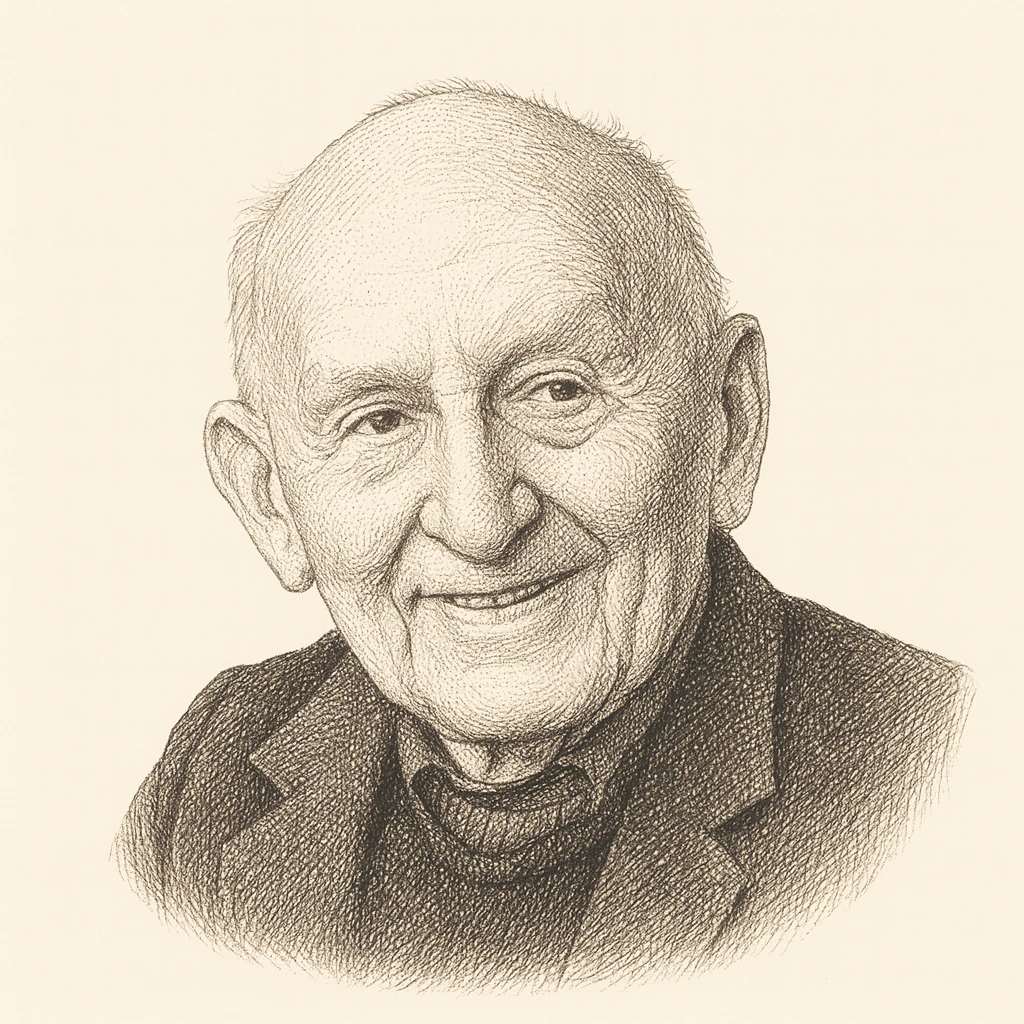
Gottfried Dietze (1922–2006) was a German-born legal and political scholar who spent much of his career in the United States, where he taught for many years at Johns Hopkins University. Trained in both the European and American constitutional traditions, he became one of the twentieth century's notable interpreters of federalism and the institutional safeguards of liberty. His work sits within the broad classical-liberal tradition, sharing its preoccupation with how legal and constitutional structures can restrain political power and secure individual freedom.
Dietze is perhaps best known for his study of The Federalist, which he read not merely as a historical document but as a durable statement about how divided and limited government protects free institutions. Across his writings he treated federalism, the separation of powers, and the rule of law as interlocking mechanisms that guard against concentrated authority. He was particularly attentive to the danger that democratic majorities, unchecked by constitutional limits, could erode the very freedoms that constitutional government exists to protect—a theme that placed him among those who distinguished sharply between liberty and unlimited popular sovereignty.
A recurring concern in his thought was the defense of private property as a bulwark of freedom rather than a merely economic arrangement. In this he echoed a longstanding liberal argument that secure property rights disperse power, underwrite personal independence, and set practical limits on the state. His analyses of the rule of law similarly emphasized that formal legality alone is insufficient; law must be tied to substantive protections for the individual if it is to preserve a free order. These commitments aligned him with the broader postwar revival of classical liberalism and its critique of expansive state power.
As an academic working across German and American constitutional thought, Dietze contributed to comparative reflection on how different political systems institutionalize freedom and restraint. His influence lies less in founding a school than in articulating, for scholars and students, a rigorous case for constitutionalism as the essential framework within which liberty and democracy can coexist. He remains a reference point for those who study the constitutional design of limited government and the tension between majority rule and individual rights.
Gottfried Dietze is associated with Traditional Libertarian. See the archetype