
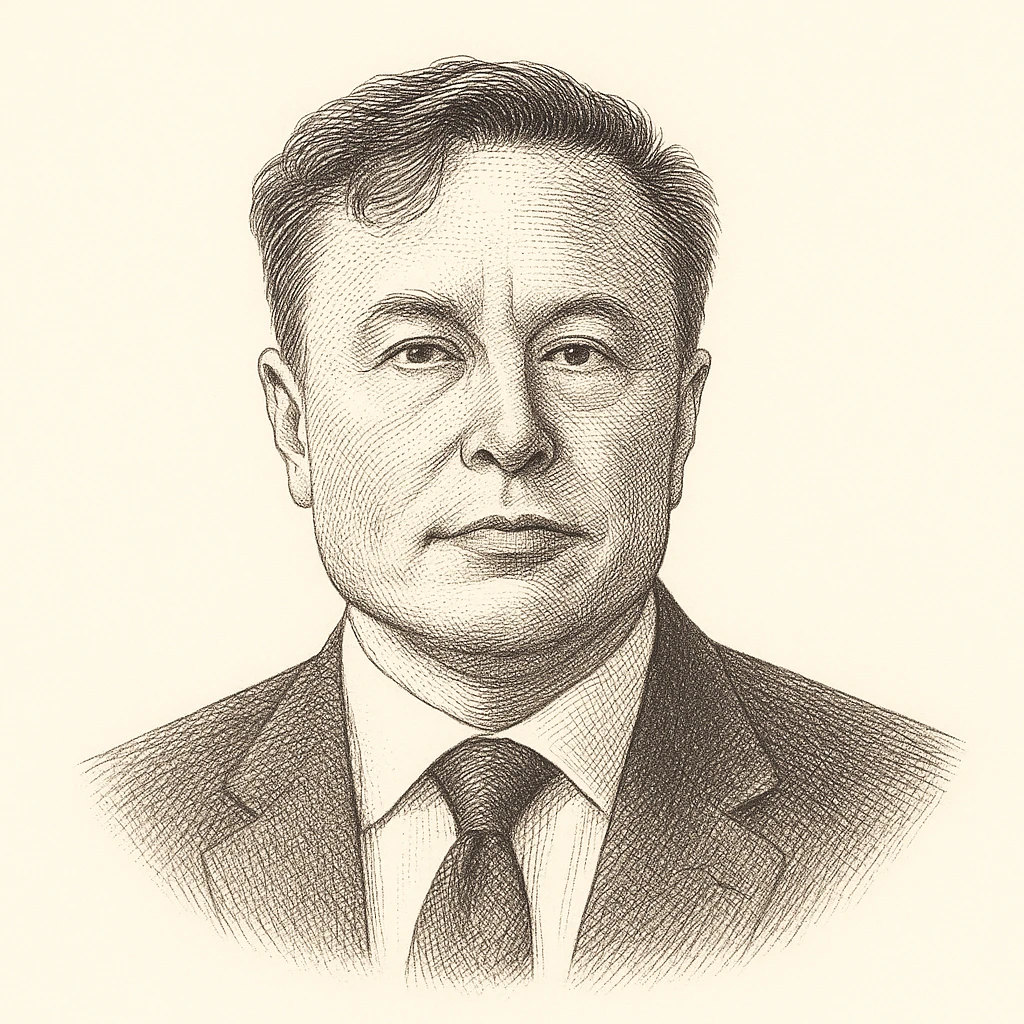
Elon Musk (born 1971) is best known as an entrepreneur associated with Tesla, SpaceX, and other technology ventures, but he has become a significant political figure less through a systematic body of thought than through his ownership of infrastructure that shapes public discourse. His 2022 acquisition of the social platform Twitter, later renamed X, gave him direct control over one of the world's most influential venues for political speech, and his decisions about content moderation, account reinstatement, and platform design have made questions of who governs online communication into a central political controversy.
Musk positions himself as a free-speech advocate, arguing that platforms should host a wide range of viewpoints with minimal moderation, and framing prevailing content policies as forms of censorship driven by progressive ideology. This aligns him loosely with a strand of techno-libertarian and anti-establishment thinking that is skeptical of institutional gatekeeping, legacy media, and what he characterizes as a "woke mind virus" hostile to open debate. His public commentary has increasingly emphasized cultural conservatism, opposition to certain immigration and diversity policies, and distrust of bureaucratic government, moving his stated politics rightward over time from an earlier self-description as moderate or independent.
His political significance also flows from a distinctive theory of civilizational risk and progress: he frames concerns about declining birth rates, artificial intelligence, and space settlement as existential stakes that should reorder political priorities. This long-horizon, technologist framing—treating humanity's survival and expansion as the ultimate political goal—situates him near strands of thought sometimes labeled longtermist or accelerationist, though he does not articulate a fully worked-out doctrine. He became directly involved in electoral politics through prominent support for Donald Trump and, subsequently, a role advocating aggressive reductions in federal spending and bureaucracy.
Musk's influence lies less in original argument than in demonstrating how concentrated ownership of digital platforms and immense personal wealth can shape political agendas, mobilize audiences, and blur lines between commerce, media, and governance. For critics, he embodies the democratic hazards of privatized public spaces and oligarchic influence; for supporters, he represents a corrective to institutional conformity. Either way, he has become a reference point in contemporary debates about speech, technology, and power.
Elon Musk is associated with Techno-Authoritarian. See the archetype