
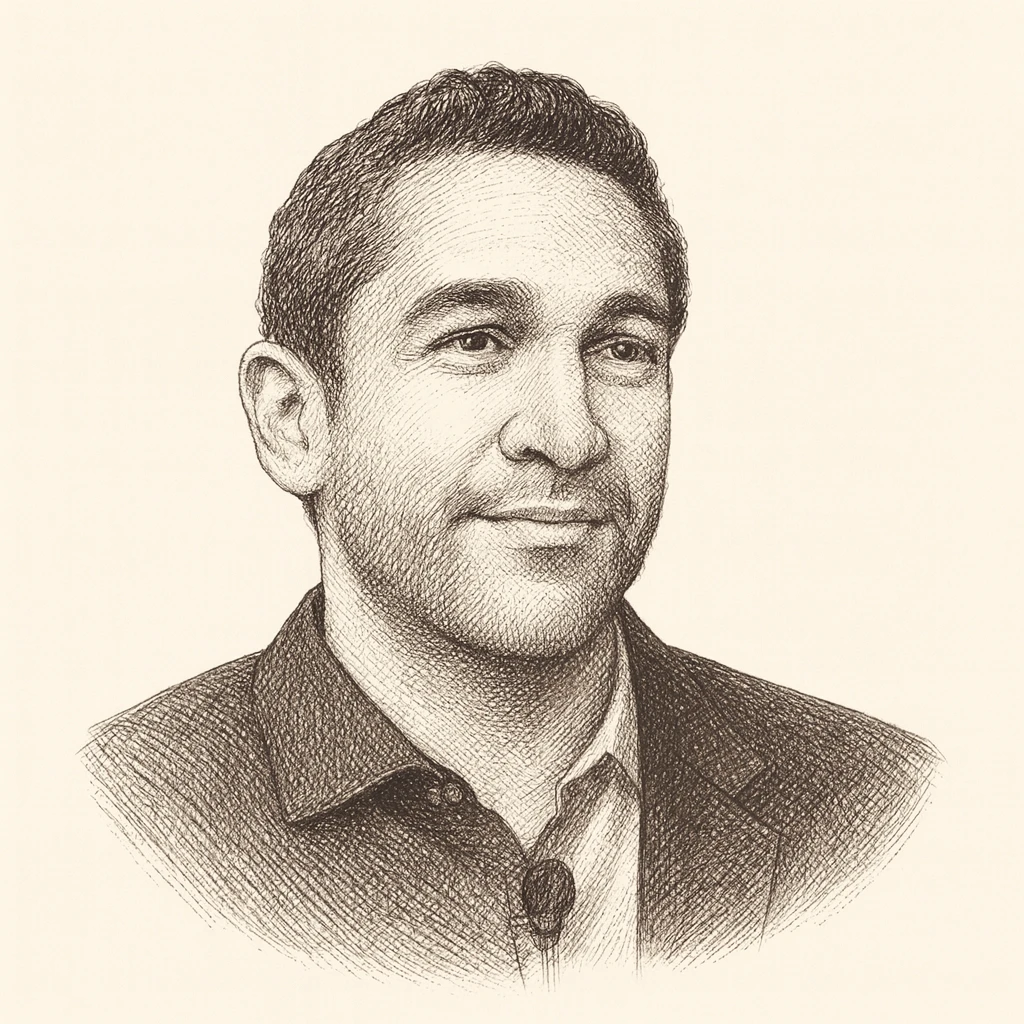
Dave Smith is an American stand-up comedian and political commentator best known as the host of the podcast "Part of the Problem," through which he has become one of the more visible popular exponents of libertarian and specifically anti-interventionist thought. Emerging from the comedy world rather than academia or formal politics, Smith built an audience by blending humor with sustained political argument, positioning himself as a critic of both major American parties. His prominence grew through frequent appearances on other large podcasts, including those hosted by Joe Rogan and within the broader independent media ecosystem, where he became a recognizable spokesperson for a strand of libertarianism that emphasizes civil liberties, skepticism of state power, and opposition to American military intervention abroad.
Smith's political thought draws heavily on the tradition associated with the libertarian and paleolibertarian right, and he has publicly identified with the intellectual influence of figures and institutions in that lineage, notably expressing affinity for the ideas connected to the Mises Institute and Austrian-school economics. He was closely aligned with Ron Paul's movement and its emphasis on non-interventionist foreign policy, sound money, and constitutional limits on government. Central recurring themes in his commentary include opposition to war and the security state, criticism of foreign policy across administrations, defense of free speech, and a general distrust of concentrated political and corporate power. He has periodically engaged with electoral libertarian politics and has been discussed as a figure within the Libertarian Party's orbit, particularly its more insurgent factions.
As a communicator, Smith represents a broader shift in how libertarian ideas circulate: away from think tanks and toward long-form audio, comedy, and debate-driven social media. His influence lies less in original theoretical contributions than in popularizing anti-war and anti-statist arguments for a large lay audience, and in modeling a combative, debate-oriented style of political persuasion. He is often cited as part of a loose network of heterodox commentators who resist conventional left-right categorization, appealing to disaffected listeners across the political spectrum while remaining rooted in libertarian first principles. His role illustrates how entertainment platforms have become significant venues for the transmission and contestation of political ideas in the contemporary United States.
Dave Smith is associated with Traditional Libertarian. See the archetype