
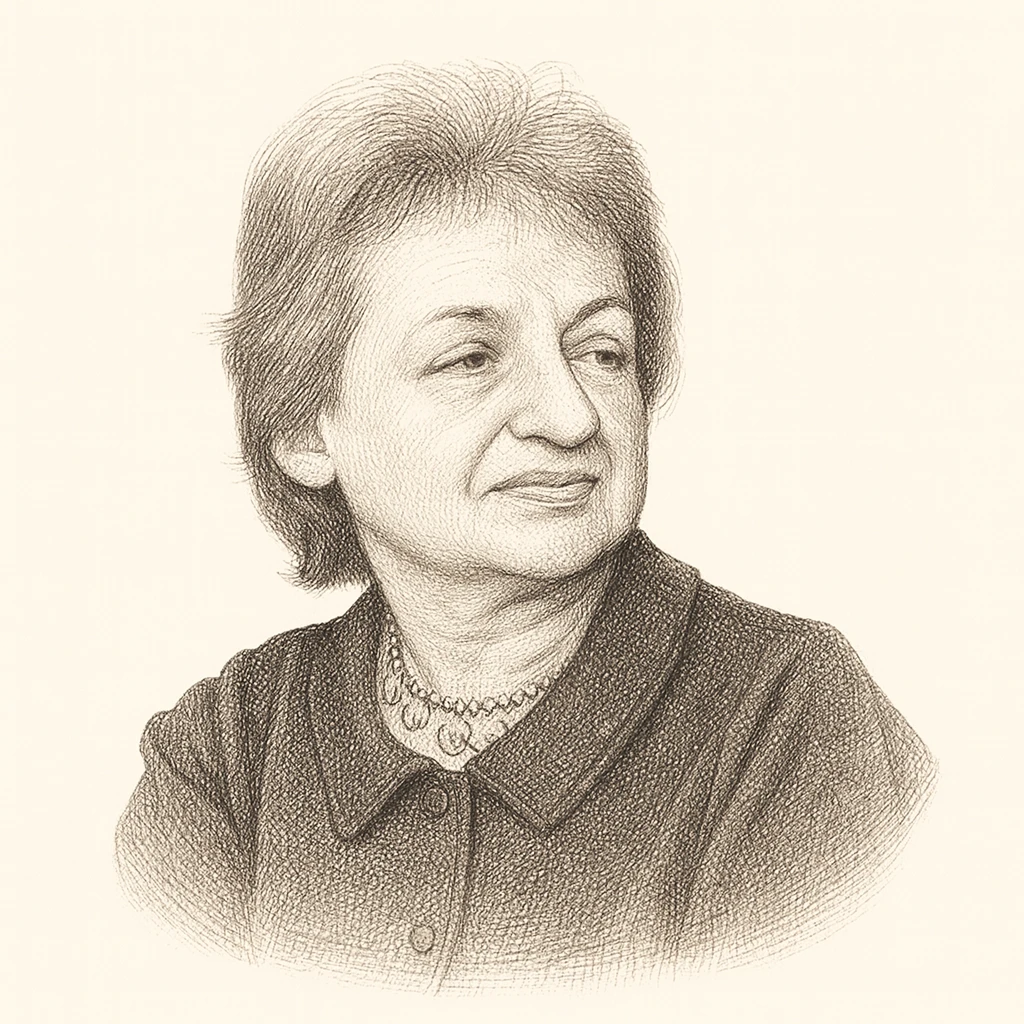
Betty Friedan became one of the most influential political voices of postwar American feminism through her 1963 book The Feminine Mystique, which argued that the prevailing ideal of domestic fulfillment left many educated, middle-class women unfulfilled and confined to the home. She named this widespread discontent "the problem that has no name," framing it not as private neurosis but as a political and social condition rooted in cultural expectations, advertising, and the organization of family and work. The book is widely credited with helping to spark the second wave of American feminism.
Friedan's politics were reformist and institutional rather than revolutionary. In 1966 she co-founded the National Organization for Women (NOW) and served as its first president, pressing for concrete legal and economic changes: equal employment opportunity, enforcement of anti-discrimination law, access to education and the professions, reproductive rights, and support for measures such as the Equal Rights Amendment. She worked largely within the framework of American liberalism, seeking to extend its promises of individual opportunity and equal citizenship to women, and she helped organize public actions that pushed these demands into mainstream political debate.
Her approach drew criticism from several directions. The Feminine Mystique focused heavily on the experience of white, college-educated women and paid little attention to working-class women and women of color, a limitation later feminists and historians have emphasized. Friedan also clashed with more radical currents in the movement, and she was notably resistant to closely aligning feminism with lesbian rights, at one point warning against what she saw as divisive tendencies within the movement. These disputes marked her as a figure of the movement's liberal, coalition-minded wing rather than its radical edge.
In later work she continued to argue that feminism should engage families and men rather than treat them as adversaries, and she reflected on aging as a further frontier for challenging social stereotypes. Her enduring political legacy lies in translating a diffuse cultural malaise into an organized, rights-based reform agenda, and in establishing gender equality as a durable concern of mainstream progressive politics.
Betty Friedan is associated with Establishment Progressive. See the archetype