
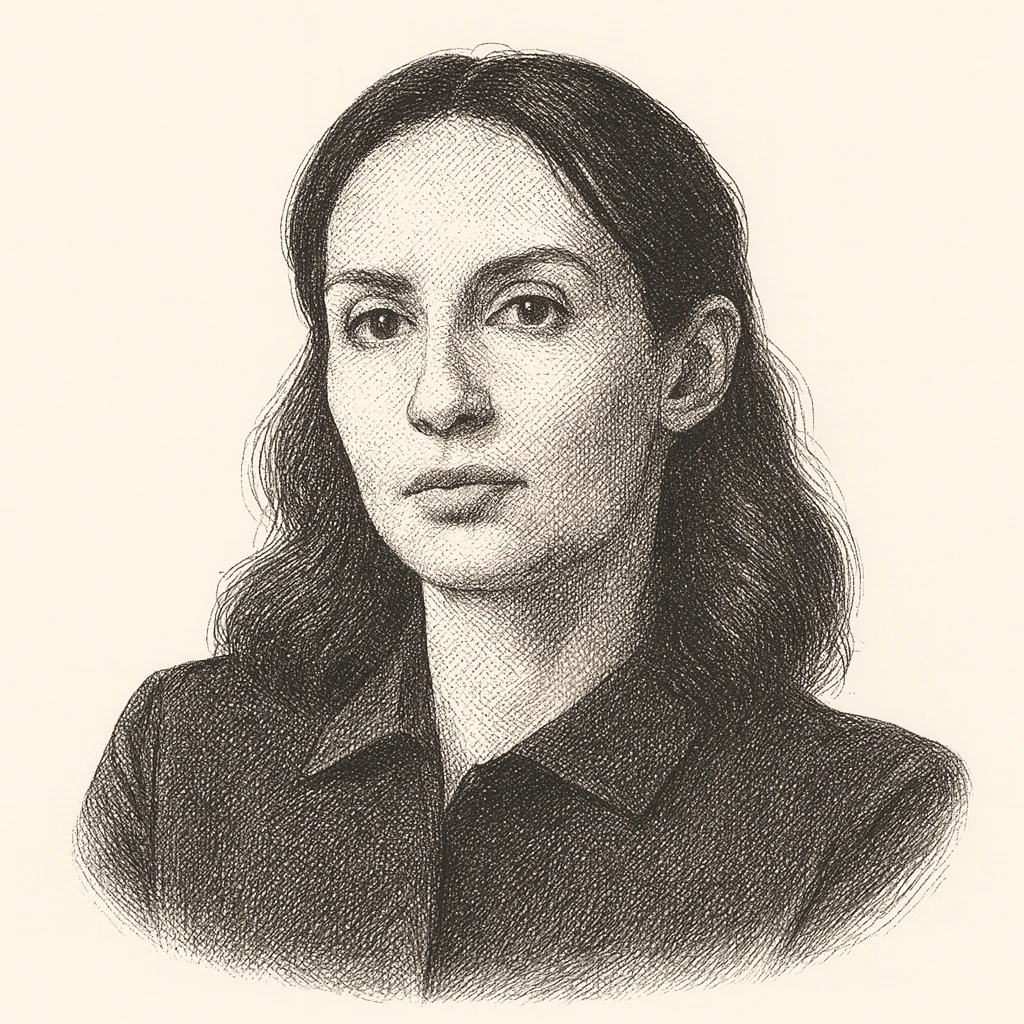
Anna Khachiyan is a Russian-American cultural critic best known as co-host, with Dasha Nekrasova, of the Red Scare podcast, launched in the late 2010s. Emerging from the milieu often labeled the "dirtbag left," she became one of the more recognizable voices of a post-left tendency that combined leftist economic instincts with sharp hostility toward mainstream liberalism, identity politics, and what she and her interlocutors treated as the moralizing pieties of professional-class progressivism. Her commentary blends cultural criticism, art-world references, and deliberate provocation, and she has been widely associated with the downtown New York scene sometimes described as "Dimes Square."
Khachiyan's political thought is less a systematic ideology than a stance of contrarian critique. She is skeptical of liberal feminism, which she has argued flattens genuine differences and functions as a corporate and elite project rather than a liberatory one, and she is dismissive of the language of social justice as she sees it operating in media and academia. Her sensibility draws on an aesthetic and cultural conservatism paired with an anti-establishment posture, positioning her against both the professional-managerial liberal consensus and, at times, the organized left she once seemed closer to. This has made her a figure who unsettles conventional left-right mapping, appealing to disaffected younger audiences drawn to irony, transgression, and a rejection of prevailing cultural orthodoxies.
Her influence has been primarily cultural and atmospheric rather than programmatic. Red Scare became a reference point for a strand of commentary that treated "wokeness" as an object of ridicule and helped normalize a certain reactionary-tinged irreverence among segments of the online intelligentsia. Observers have credited the show with anticipating and shaping a broader vibe shift away from mid-2010s progressive moralism, and faulted it for provocations that blur the line between critique and reaction. She is frequently cited in discussions of how the "post-left" and adjacent scenes contributed to a realignment of cultural politics.
Khachiyan is best understood as a symptom and shaper of a particular moment in Anglophone cultural politics rather than a theorist producing a durable body of argument. Her significance lies in articulating, and performing, a mood of disillusionment with liberal cultural authority that has proved resonant well beyond her immediate audience.
Wondering where you land? Take the 4-minute assessment