
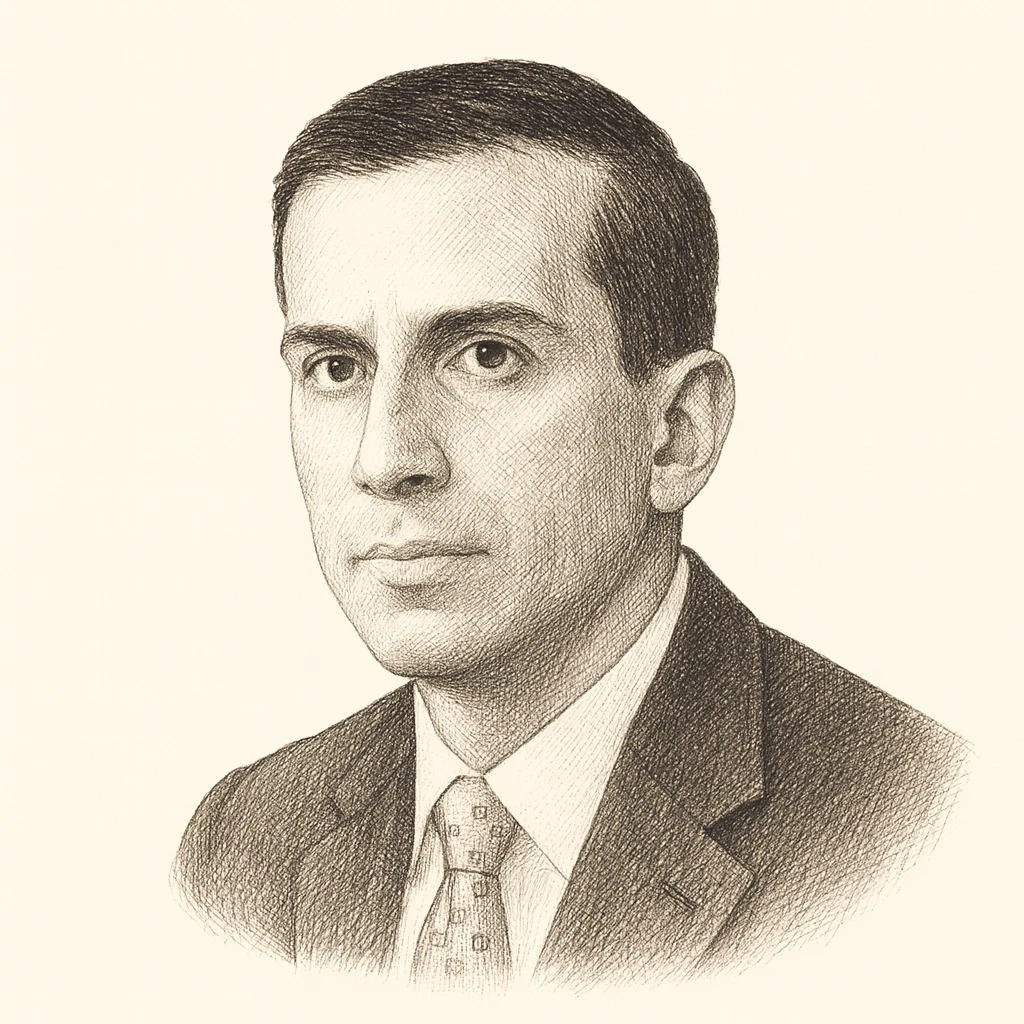
Alex Nowrasteh is an American libertarian policy analyst best known for his work on immigration at the Cato Institute, a Washington-based think tank rooted in classical liberal and libertarian traditions. He directs immigration studies there and has become one of the most visible advocates for expanded legal immigration and more open borders within the American policy debate. His thought sits squarely within a free-market libertarian tradition that treats the free movement of people as a natural extension of the free movement of goods, capital, and ideas.
Nowrasteh's arguments are characteristically empirical rather than purely philosophical. He emphasizes evidence on the economic contributions of immigrants, their fiscal effects, labor-market impacts, and rates of criminality and welfare use, frequently contesting claims that immigrants depress wages, drain public budgets, or raise crime. Much of his influence comes from reframing immigration as a question of economic growth and individual liberty rather than of security or cultural preservation, and from challenging restrictionist assumptions with data-driven rebuttals. In doing so he draws on a lineage of market-oriented thinkers who see relatively unfettered migration as both economically beneficial and consistent with limited government.
His positions have made him a prominent interlocutor in debates on the political right, where he presses free-market conservatives and libertarians to reconcile their stated commitments to markets and liberty with support for tighter immigration controls. He has been an active public commentator, writing for a range of outlets and engaging critics across the ideological spectrum, including immigration restrictionists whose research he frequently scrutinizes. This has positioned him as a leading voice for the pro-immigration wing of libertarianism during a period when immigration became increasingly contested within American conservatism and populism.
Nowrasteh's broader significance lies in helping to sustain an intellectual case for liberalized immigration grounded in economics and individual rights at a moment when nationalist and restrictionist currents gained strength. Whether or not one accepts his conclusions, his work has shaped how analysts, journalists, and policymakers frame the empirical questions at the heart of immigration policy, insisting that claims about immigrants be tested against available evidence rather than assumed.
Alex Nowrasteh is associated with Compassionate Libertarian. See the archetype