
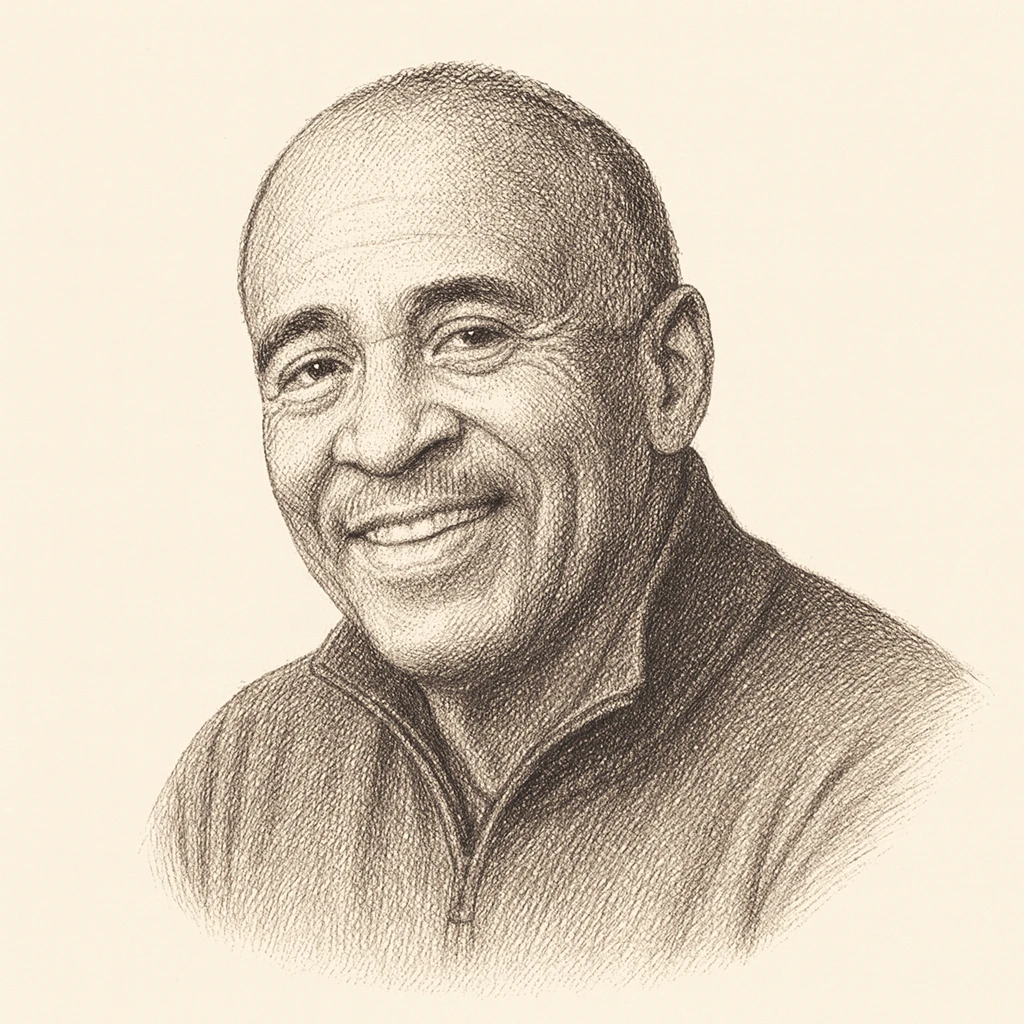
Adolph Reed Jr. is an American political scientist, longtime academic (including many years at the University of Pennsylvania), and public intellectual known for his sharp critiques of identity politics from a materialist, left-wing standpoint. Trained in the study of American politics and African American political thought, he has written extensively on race, class, and the history of Black political movements in the United States, including studies engaging figures such as W.E.B. Du Bois. His work consistently insists that the analytically and politically crucial category is class and the underlying structure of capitalist inequality, rather than racial identity treated as an autonomous force.
Reed is closely associated with a tradition of democratic socialism and the labor left, and he has been one of the most prominent critics of what he calls "race reductionism" and "antiracism" understood as a stand-alone politics. He argues that framing injustice primarily in terms of racial disparity can obscure the shared material interests of working people across racial lines, and that a politics organized around identity tends to serve professional and managerial elites more than the poor and working class of any race. He has been skeptical of what he views as the professionalization of Black political leadership and of gestural forms of representation that leave economic hierarchies intact.
These positions have made him a controversial and influential voice in debates over the direction of the American left. He has written for outlets ranging from Dissent and The Nation to Jacobin and other left-leaning publications, and his essays helped shape a broader conversation about universal versus targeted social policy. His arguments—favoring broad, redistributive programs available to all over narrowly race-conscious remedies—have found resonance among class-first socialists while drawing pointed criticism from scholars and activists who emphasize the specificity and persistence of racial oppression.
Reed's larger significance lies in his role as a provocateur and dissenter within left thought: he presses the movement to clarify what it means by solidarity, to distinguish between symbolic and substantive equality, and to keep questions of political economy at the center of struggles that are often framed in cultural or identitarian terms. Whether or not one accepts his conclusions, his interventions have sharpened the terms of debate about the relationship between race and class in American politics.
Adolph Reed Jr. is associated with Trad Socialist. See the archetype